Abuja, May 6, 2026- A coalition of transport stakeholders, security experts, and driver groups has thrown its weight behind Qwest Ride, a newly launched ride-hailing platform aimed at improving safety, boosting driver earnings, and rebuilding trust between drivers and passengers.
The initiative, unveiled in Abuja, comes amid rising concerns over insecurity within Nigeria’s ride-hailing space, where both drivers and commuters face risks ranging from robbery to violent disputes during trips.
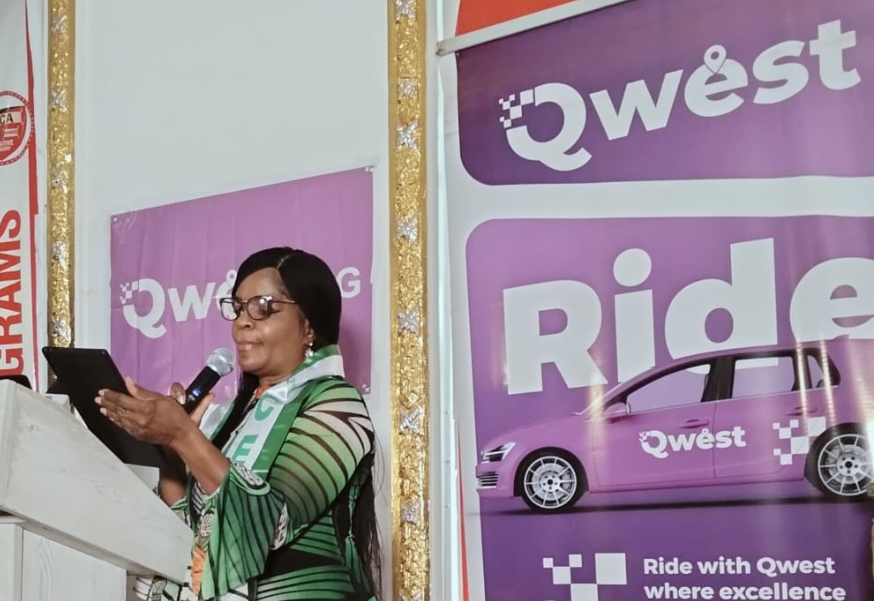
Speaking at the launch, Chief Executive Officer of Qwest Ride, Cherie Muhammad, said the platform is built to connect people more efficiently while addressing long-standing gaps in safety and accountability.
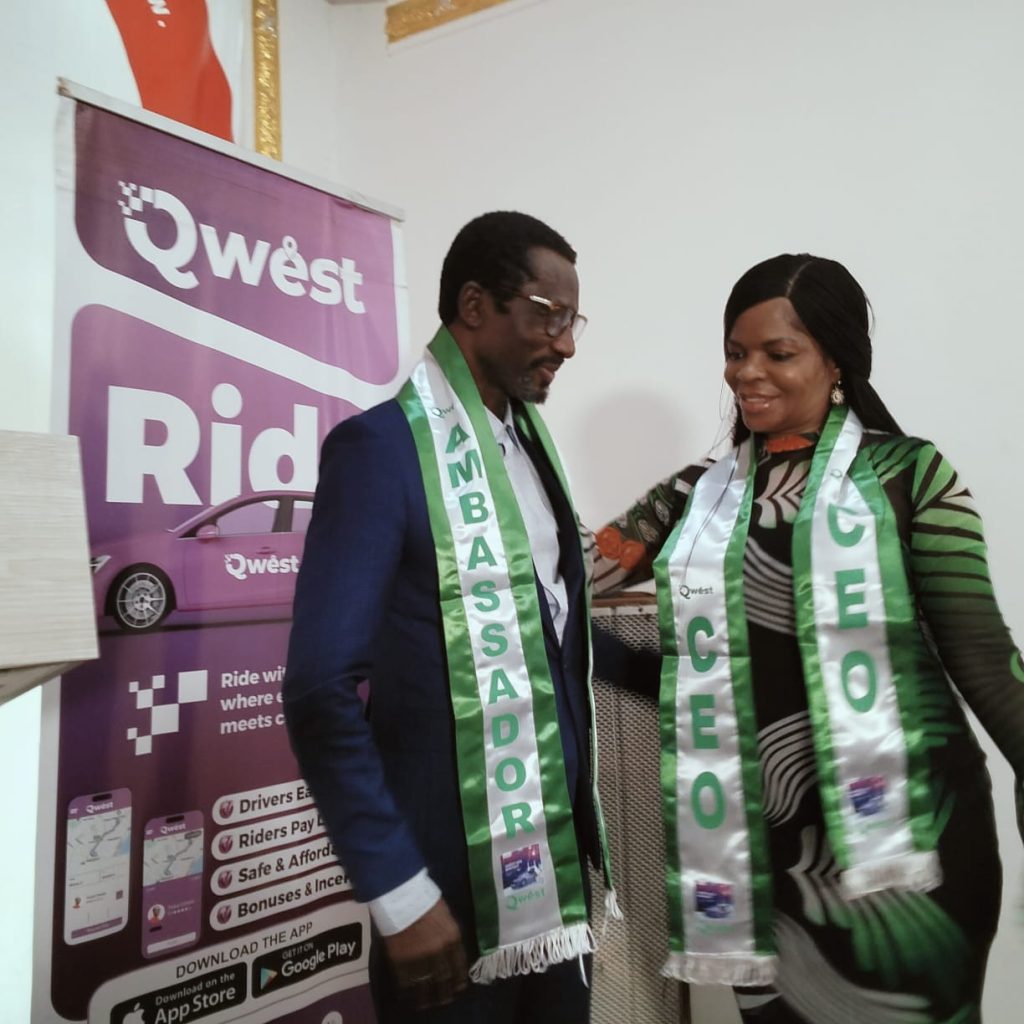
Photo Caption: CEO QWest Ride Cherie Muhammad in tet a tet with the Brand Ambassador, Reuben Okala at the event.
She explained that the initiative is also part of efforts to give back to society by empowering drivers with tools that enhance income opportunities and reduce operational risks. Industry realities, however, continue to pose challenges. Many drivers struggle with daily financial targets, often operating under unsafe conditions. Observers note that worsening economic conditions and unemployment have driven more Nigerians into ride-hailing, increasing pressure on the system.
Co-Founder of Qwest Ride, Boniface Abuon, said the platform’s model focuses on driver support through improved earnings structures and safety-focused features designed to protect both drivers and passengers.
Stakeholders at the event stressed the importance of collaboration in addressing sector-wide challenges. Chairman of the AUATON FCT Council, John Unuigbe, called for policies that prioritize driver welfare, while Vice Chairman of the Million Miles Elite Group, John Tsuwa, emphasized unity among drivers as a pathway to improved safety standards.
On the security front, Malachy Uyamadu highlighted the need for strong and proactive measures, noting that effective security protocols would be central to ensuring safer ride experiences across the board. With more Nigerians relying on ride-hailing for livelihood and mobility, experts say solutions like Qwest Ride could play a critical role in reshaping the industry by balancing safety, trust, and sustainability.
Reaffirming the platform’s vision, Cherie Muhammad stated that Qwest Ride is committed to building a reliable ecosystem where drivers can earn sustainably and passengers can travel with confidence.
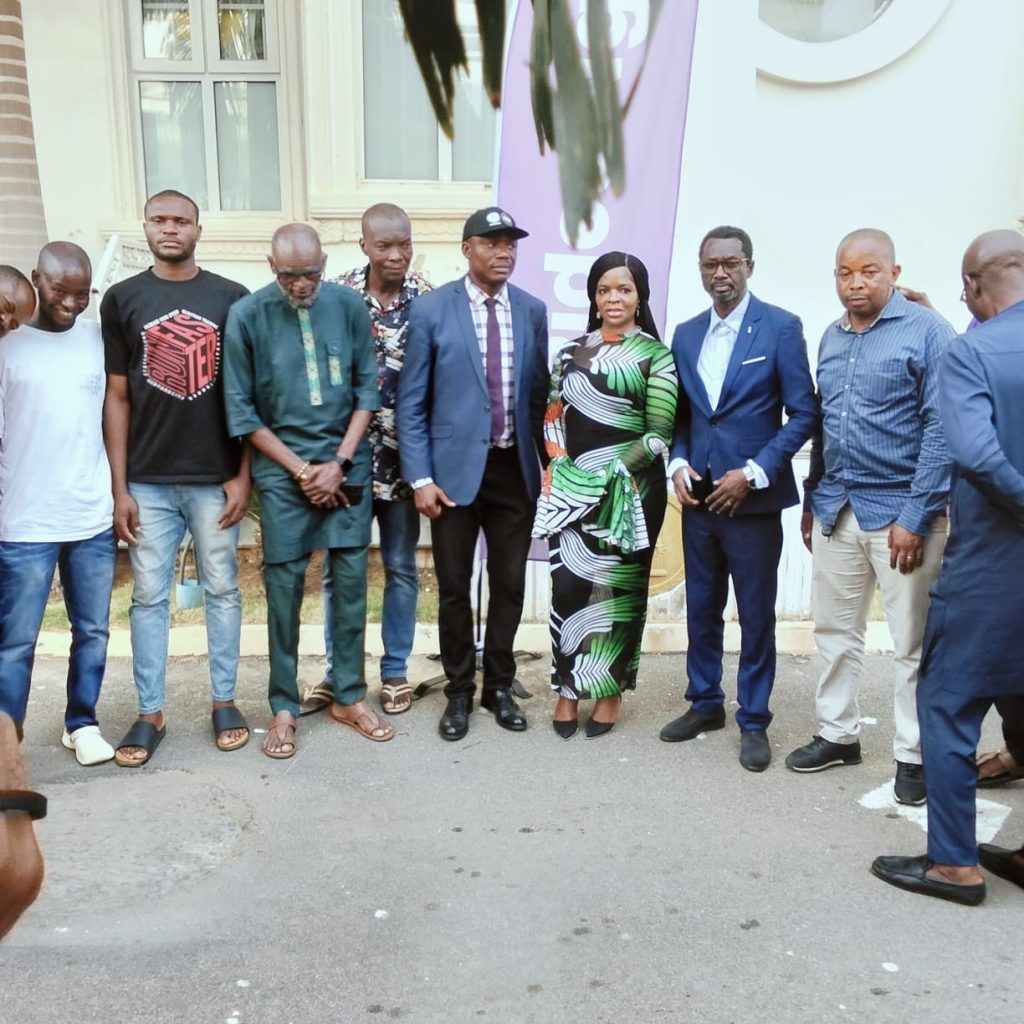
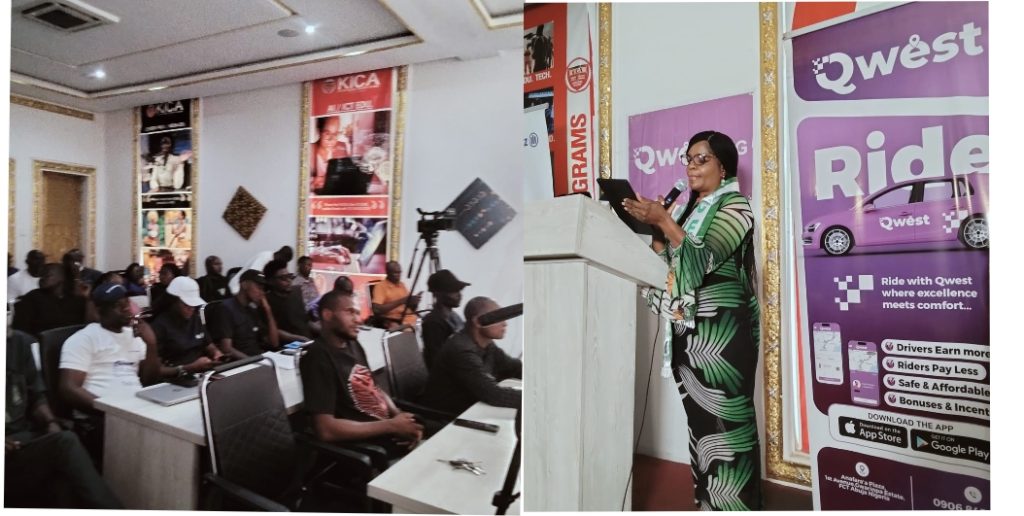
The event also featured the unveiling of the brand’s ambassador, Reuben Okala, alongside the presence of union representatives, insurance stakeholders, app-based drivers, and officials of the Federal Road Safety Corps.
Stakeholders say the move signals a broader shift within Nigeria’s transport sector toward innovation-driven solutions that prioritize safety, driver empowerment, and long-term growth.
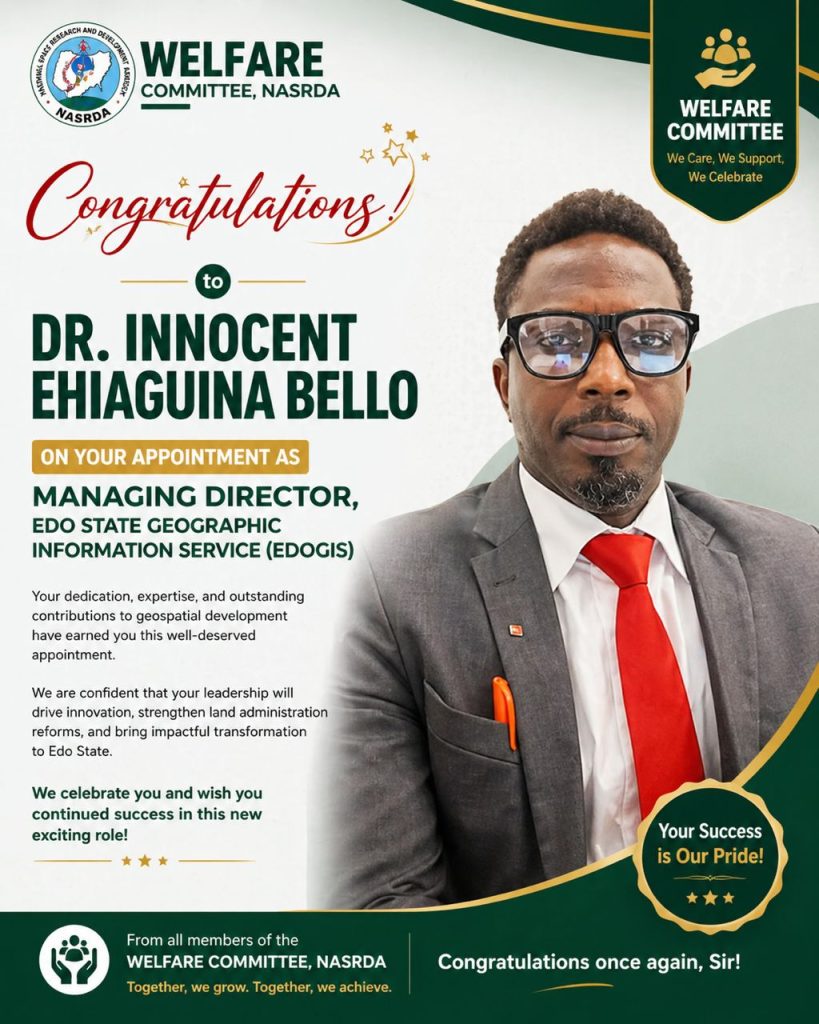
Staff of the National Space Research and Development Agency (NARSDA) have congratulated Dr. Innocent Ehiaguina Bello on his appointment as Managing Director of the Edo State Geographic Information Service (EDOGIS), describing it as a fitting recognition of his dedication and contributions to geospatial development.
In a statement signed by the Welfare Committee Chairman, staff praised Dr. Bello’s professionalism, expertise, and commitment to advancing the use of geospatial technologies for national development. They noted that his appointment reflects confidence in his capacity to provide visionary leadership and drive strategic reforms in land administration.
According to them, Dr. Bello’s wealth of experience positions him to introduce innovative solutions that will enhance efficiency, transparency, and service delivery within EDOGIS. They added that his leadership is expected to strengthen land governance systems and support sustainable development initiatives in Edo State.
The staff further expressed optimism that his tenure will usher in impactful transformation, leveraging modern geospatial tools to improve planning, land management, and investment opportunities in the state.
They wished him a successful tenure and reaffirmed their support as he takes on the responsibility of leading EDOGIS to greater heights.
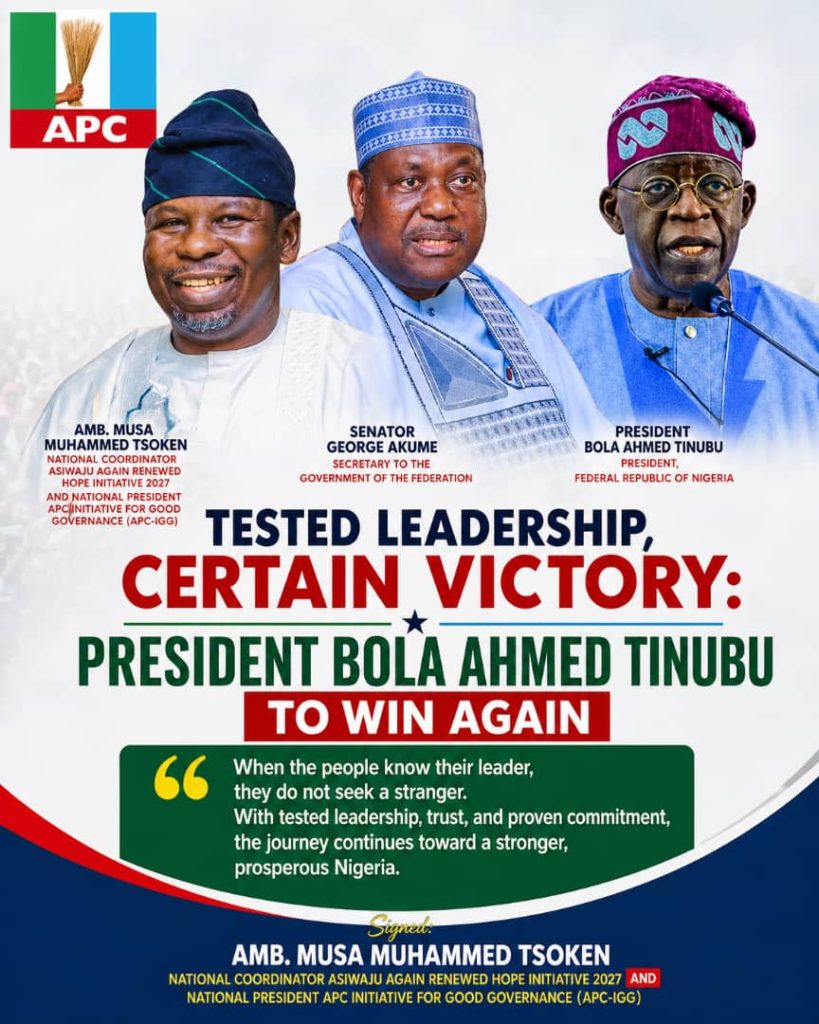
When the people know their leader, they do not seek a stranger. This timeless proverb reflects the strength of familiarity and trust that develops over time between a leader and the people. It suggests that when leadership has been tested and recognized, uncertainty fades, and confidence takes its place.
In this context, the position of Bola Ahmed Tinubu stands firm, anchored in experience and established leadership. Supporters see a continuation of direction and purpose, believing that the bond between the leader and the people remains strong and unbroken as the nation approaches the next election.
With this foundation, the expectation is clear and emphatic: President Bola Ahmed Tinubu will emerge as the winner in the upcoming election. This confidence is rooted in continuity, structure, and the enduring connection between leadership and the electorate.
Ultimately, while elections are decided by voters, the prevailing sentiment expressed here is one of certainty and assurance. The proverb captures it well—when the people know their leader, they stand by him, and that conviction points decisively toward victory.
Amb. Musa Muhammed Tsoken is National Coordinator Asiwaju Again Renewed Hope Initiative 2027 and National President APC Initiative For Good Governance (APC-IGG)
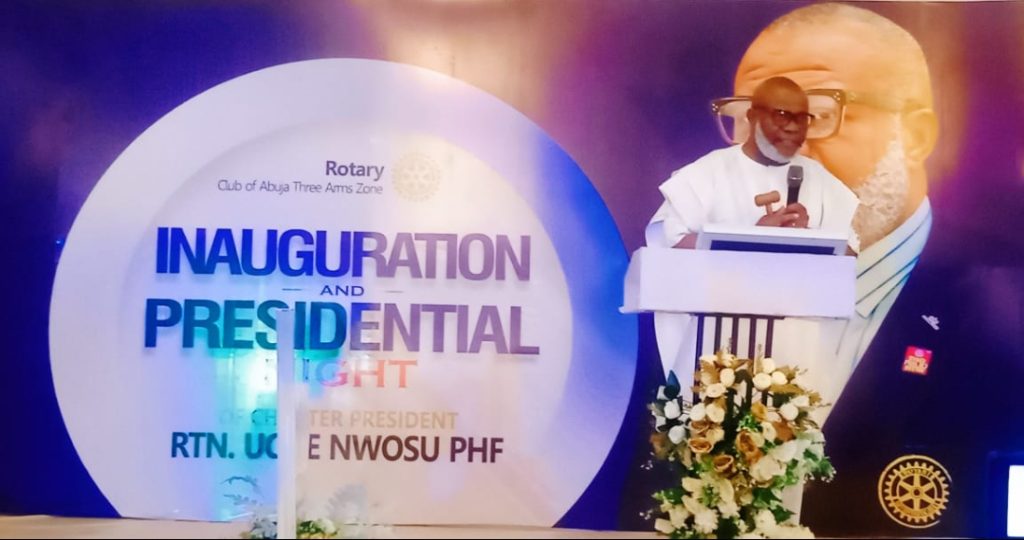
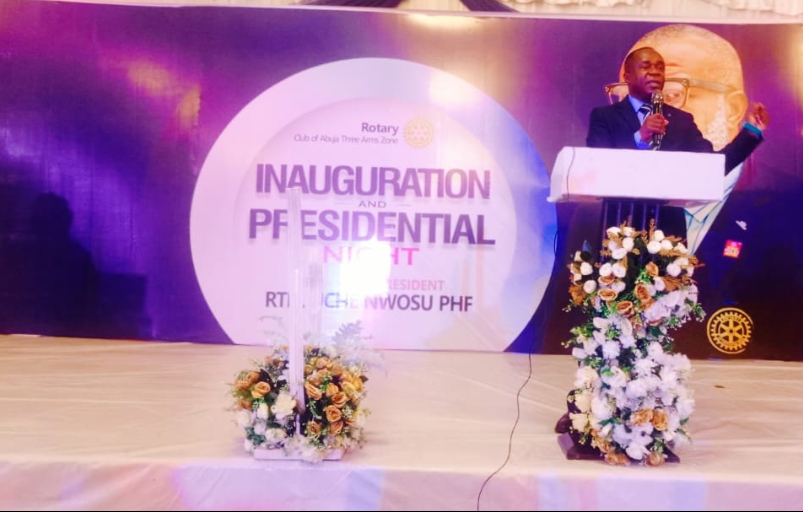
The President of the Rotary Club of Abuja Three Arms Zone, Rotarian Uche Nwosu, has unveiled an ambitious vision to position the club as a center of innovation, compassion, and leadership, as he delivered his address at the club’s inauguration and presidential night in Abuja.
Speaking before distinguished Rotarians, dignitaries, and guests, Nwosu described the event as a historic milestone, reflecting on the club’s rapid growth since its inaugural meeting on July 14, 2025, at the National Assembly Complex, and its official chartering barely a month later with 32 members.
He acknowledged the foundational role played by the Rotary Club of Abuja Maitama, which sponsored and guided the emergence of the new club. Highlighting the club’s unique positioning, Nwosu noted that the Three Arms Zone represents Nigeria’s Executive, Legislative, and Judicial institutions, earning it the identity of “The Seat of Government.”
“This strategic identity gives us a rare opportunity to influence and inspire service at the very heart of national leadership,” he said.
The Rotary President paid tribute to key figures who contributed to the club’s establishment, including District Governor Rotarian Joy Nky Okoro, Convener Rotarian Festus Agbazue, Adviser Rotarian Dominic Ifidon, Guardian Rt. Hon. Rotarian Dominic Ifeanyi Okafor, and Assistant Governor Rotarian Emeka Illoegbunam.
He also commended the dedication of charter members, describing their commitment as the driving force behind the club’s early achievements. Nwosu outlined several impactful initiatives already undertaken by the club, including youth and women empowerment programmes, the installation of a prominent Rotary signage near Rotary House, and the distribution of essential items to pregnant and nursing mothers at the National Assembly Clinic.
He emphasized that beyond these projects, the club is focused on building a lasting legacy rooted in service and innovation. “We aim to be a hub of innovation, compassion, and leadership where every member feels empowered to contribute, and every community we touch feels the impact of Rotary’s values,” he stated. Calling for collaboration, Nwosu urged partners and stakeholders to support the club’s ongoing and future initiatives, stressing that collective effort remains key to expanding its reach and impact. “Together, we can transform challenges into opportunities and dreams into reality,” he added.
He reaffirmed Rotary’s guiding principle of “Service Above Self,” urging members to remain committed to unity, humanitarian service, and sustainable development.
Sir Uche Nwosu (Omekaodinma) is a distinguished professional and community leader with expertise in administration, law, consultancy, and public service. He has worked with government and international institutions, including Shell Petroleum Development Company, and currently serves as Senior Legislative Aide to the President of the Senate and Chief of Staff to Senator Osita Izunaso. His Rotary journey spans decades across Nigeria and abroad, culminating as Charter President of the Rotary Club of Abuja Three Arms Zone. A Paul Harris Fellow (+3) and Knight of Columbus, he exemplifies leadership, service, and dedication to community development.
At the inauguration of the Rotary Club of Abuja Three Arms Zone, Uche Uwaleke delivered a compelling lecture on the importance of capital market investment for sustainable economic growth. He described a strong capital market as vital for funding infrastructure, businesses, and innovation, stressing that Nigeria’s development depends on increased participation and investor confidence. Uwaleke called for stronger regulations, improved financial literacy, and greater transparency to attract investors. He urged individuals and entrepreneurs to leverage the market for wealth creation and financial independence, highlighting its potential as a catalyst for inclusive growth and national prosperity.
Professor Uche Joe Uwaleke is a distinguished financial economist and Professor of Capital Market with extensive academic and professional experience. He has served as Head of Accounting and Banking and Finance at Nasarawa State University, Keffi, where he now directs the Institute of Capital Market Studies. A former Imo State Commissioner for Finance, he also held key roles at Nigeria’s Securities and Exchange Commission. He has contributed to several national economic bodies and boards, including the Nigerian Economic Society. A fellow of multiple professional institutes, he has authored over 70 publications and notable books on Nigeria’s capital market
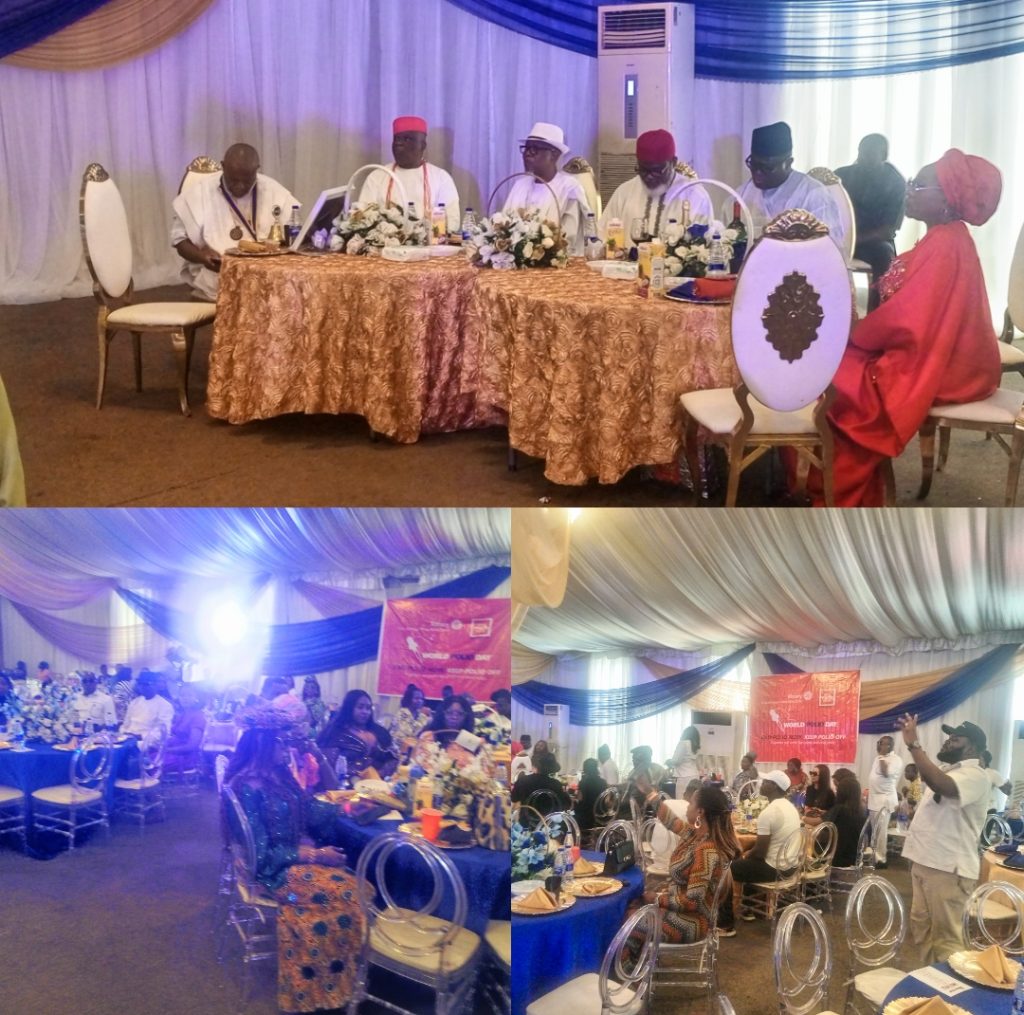
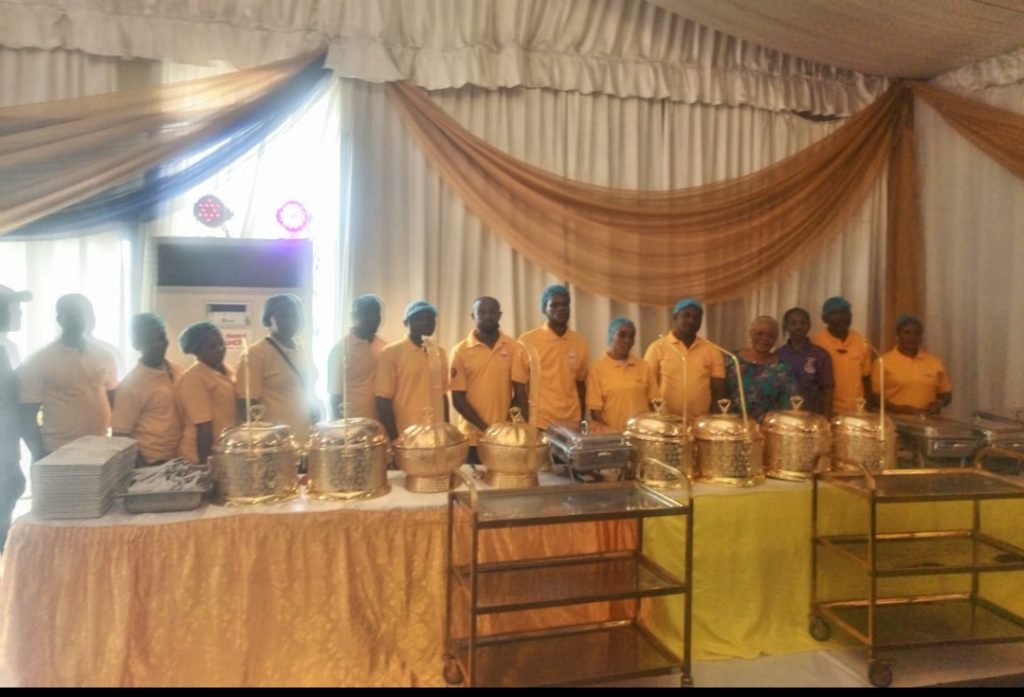
The event concluded with a renewed pledge to uphold Rotary ideals and strengthen the club’s role as a beacon of hope and positive change within Abuja and beyond. Cabana Chef was there to serve a satisfying dinner.
About the Rotary Club.
Rotary is a global humanitarian service organization known as Rotary International, founded in 1905 in Chicago, USA by Paul Harris. It brings together business and professional leaders who volunteer their time and resources to address community and global challenges such as disease prevention, education, peacebuilding, clean water, maternal health, and economic development. Rotary is structured into local clubs, grouped into districts, and coordinated internationally under Rotary International. One of its most recognized global achievements is its leading role in the near-eradication of polio through the PolioPlus campaign. Rotary operates on the principle of “Service Above Self,” encouraging members to use their skills and networks to improve lives locally and globally. It also supports youth development through programs like Rotaract and Interact. In Nigeria, Rotary has a strong and active presence with hundreds of clubs spread across cities and communities. These clubs operate under multiple Rotary districts, carrying out humanitarian projects such as medical outreaches, provision of boreholes and solar-powered water systems, support for education, and maternal and child health initiatives. Nigerian Rotarians have also been deeply involved in the global fight against polio, contributing significantly to Nigeria being certified polio-free in 2020. Rotary in Nigeria also supports vocational training, scholarships, and community empowerment programs, often partnering with government agencies and NGOs. Through consistent service projects and funding support, Rotary clubs in Nigeria continue to play a visible role in grassroots development and public health improvement.
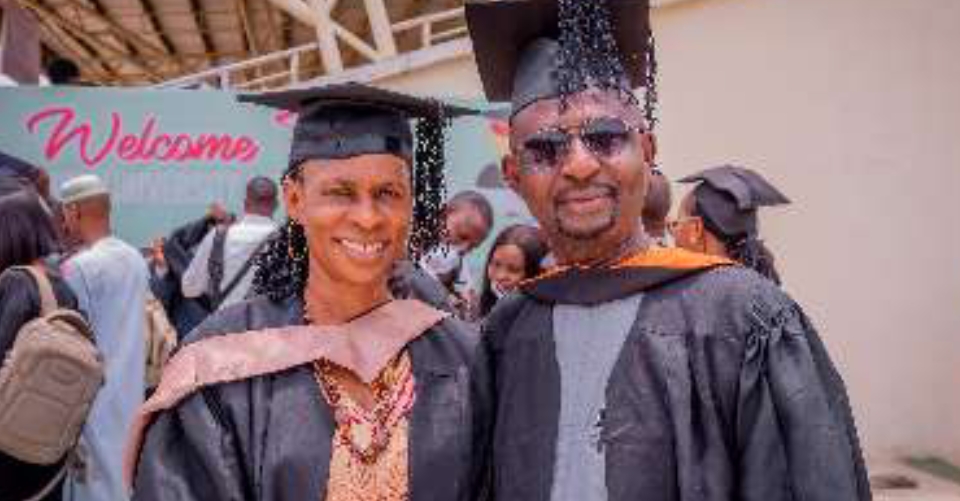
In a moment that turned heads at one of Nigeria’s largest distance-learning ceremonies, the Director of Media and Public Relations at the Nigerian Christian Pilgrim Commission, Celestine Toruka, and his wife, Dominica Toruka, have clinched Master’s degrees together, emerging among standout graduands at the 15th convocation of the National Open University of Nigeria in Abuja.
The couple’s uncommon academic milestone unfolded at the university’s headquarters in Jabi, where families, colleagues, and dignitaries gathered to celebrate the latest cohort of postgraduate achievers.
Mr. Toruka earned a Master of Science in Mass Communication, while his wife secured a Master of Arts in English Language a dual accomplishment that underscores years of discipline, sacrifice, and strategic coordination.
Observers say the feat is far from ordinary. Completing a postgraduate programme at NOUN is widely regarded as demanding, given its rigorous structure and self-driven learning model.
For two individuals in the same household balancing careers, family, and academic pressure to finish strong at the same time has been described as exceptional.
Even more striking is the fact that the couple did not begin their programmes simultaneously, yet aligned their timelines to graduate together, a rare convergence that highlights careful planning and unwavering commitment.
Colleagues within the commission note that many who started similar programmes did not make it to the finish line, further amplifying the significance of the Torukas’ achievement.
Their success story is already being framed as a powerful example of resilience and shared ambition, particularly within the public service space, where professional responsibilities often collide with personal development goals.
As applause echoed across the convocation arena, the message was unmistakable: beyond titles and offices, determination and partnership can still break barriers and in this case, deliver a double academic victory.
Nigeria’s ruling party, the All Progressives Congress (APC), has taken a decisive step toward consolidating its internal machinery following the submission of the final report of its 8th National Convention, an exercise party leader now described as a blueprint for future political dominance.
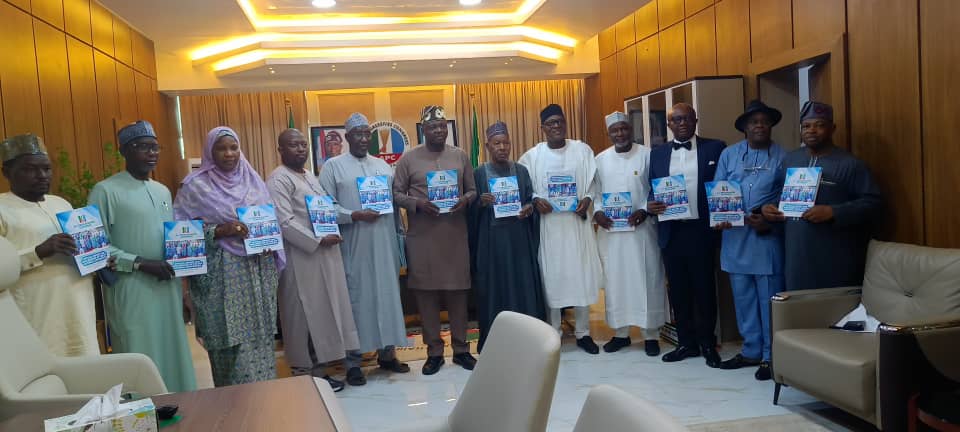
The report, presented on Thursday by the Convention Chairman, Alhaji Aminu Bello Masari to the party’s National Working Committee (NWC), formally brings to a close month of planning and execution of one of the APC’s most significant internal gatherings.
Masari, who is the former Governor of Katsina State, declared that the Committee had fully delivered on its mandate, stressing that beyond organizing the convention, it has laid down key recommendations aimed at reshaping how the party conducts future large-scale political events.
“We have completed our assignment. Our observations and recommendations are meant to guide the party towards better, more efficient conventions going forward,” he said.
While the report signals closure on the convention process, it also opens a new phase of internal recalibration for the ruling party, as it positions itself ahead of future political contests.
Receiving the document, APC National, Chairman Nantawe Yilwatda praised the committee’s work, describing the convention held at Eagle Square as a standout political event that set a new benchmark.
According to him, the recommendations contained in the report will not be shelved but will instead serve as a “working document” to refine the party’s operational strategy.
“We are determined to study these recommendations carefully and use them to ensure that future APC conventions remain unmatched,” he said.
Party insiders say the move reflects a broader effort by the APC leadership to tighten its internal processes and project organizational strength, especially in a political environment where party structure often determines electoral success.
Earlier, the Committee Secretary and Yobe State Governor, Mai Mala Buni, represented by former Speaker Yakubu Dogara, credited party members nationwide for the success of the convention.
He called for sustained unity and commitment among party faithful, urging them to build on the momentum and ensure the APC remains a model for other political parties.
With the report now in the hands of the party leadership, attention is shifting to how effectively the APC will implement its own recommendations and whether the touted “near-perfect” convention model can translate into stronger political control in the months ahead.
Nigeria’s military healthcare system is facing mounting pressure as the Permanent Secretary of the Ministry of Defence, Richard Pheelangwah, issued a stark warning that urgent reforms are needed to prevent personnel and veterans from falling through the cracks.
During a high-level visit to the headquarters of Defence Health Maintenance Limited (DHML) in Abuja, Pheelangwah declared that the agency has become more critical than ever in the face of Nigeria’s worsening security environment and the growing health demands of troops.
“DHML is more needed today than ever before,” he said bluntly. “No soldier, no officer, and no veteran must be left behind when it comes to healthcare.”
His remarks come against the backdrop of intensifying military operations, including counter-insurgency campaigns and prolonged deployments, which are taking a heavy toll on the physical and mental wellbeing of service members.
At the same time, a rising population of retired personnel is stretching an already burdened healthcare system.
Pheelangwah described DHML not merely as a support agency, but as a “strategic pillar of national defence,” warning that failure to strengthen it could have far-reaching consequences for morale and operational effectiveness.
Despite acknowledging DHML’s achievements including providing healthcare coverage to over 110,000 veterans and dependents and maintaining regulatory standards he did not shy away from highlighting serious operational gaps.
Among the key challenges identified were delays in payments to healthcare providers, limited access to specialised medical care, and persistent logistical bottlenecks issues that insiders say have impacted service delivery.
“These challenges are significant, but not insurmountable,” Pheelangwah said, pushing for immediate, coordinated action.
He proposed expanding partnerships with tertiary hospitals to handle complex medical cases, deploying telemedicine solutions to reach personnel in remote and conflict zones, and improving logistics coordination for faster emergency responses.
The Permanent Secretary also used the visit to reinforce the Ministry’s commitment to overhauling the system, promising stronger policy backing and institutional support to ensure DHML can meet rising demands.
Earlier, DHML Managing Director, retired Rear Admiral A.B. Afolayan, revealed that while the organisation operates nationwide with over 135 healthcare providers, it continues to grapple with irregular funding, poor data coordination, and low awareness among veterans many of whom remain unaware of their healthcare entitlements.
With Nigeria’s security challenges showing no signs of easing, pressure is now mounting on the Defence Ministry to translate these high-level assurances into real, measurable improvements.
For thousands of soldiers on the Frontline and veterans who have already served the stakes could not be higher.
The Federal Government has shut down all mining operations at the Zorak site after a catastrophic toxic gas leak killed at least 37 workers and left more than 20 others battling for survival, triggering one of the most urgent and wide-reaching investigations ever launched into Nigeria’s mining sector.
The deadly incident, which occurred on February 18, 2026, at the Solid Units Mining Company Limited facility in Zorak, Omasi Local Government Area, reportedly unfolded when a sudden release of toxic gas swept through underground sections of the mine, trapping and killing workers before rescue efforts could reach them.
Survivors were rushed to nearby hospitals in critical condition, while emergency teams struggled to contain the aftermath of what has now been described as a preventable industrial disaster.
On Tuesday, the Minister of Solid Minerals Development, Henry Dele Alake formally inaugurated an 18-member high-level investigative committee in Abuja, describing the tragedy as a “wake-up call” for the entire mining industry and ordering the immediate suspension of Solid Units Mining Company Limited from all operations at the site and adjoining concessions.
The Minister who was represented by the Permanent Secretary, Faruk Yabo of the Ministry said the suspension was necessary to prevent further risk, stressing that mining activities will remain halted until full compliance with safety and regulatory standards is verified.
Preliminary findings presented to the Ministry suggest a disturbing combination of failures, including poor safety compliance, weak regulatory enforcement, and alleged negligence by both the operating company and individuals involved in informal access to parts of the concession area.
“This is not a punitive action, but a safety imperative,” the Minister said, warning that Nigeria’s mining sector must urgently confront emerging hazards beyond traditional cave-ins and collapses.
The newly constituted Committee made up of Security Chiefs, Mining Regulators, Environmental Specialists, and Traditional Representatives has been given a strict 21-day deadline to determine the root cause of the disaster and recommend sweeping reforms.
The probe will examine regulatory lapses, operator conduct, environmental safety systems, and enforcement breakdowns across the mining value chain, with officials insisting that no possibility will be ruled out.
The Minister also emphasized that while the sector remains vital to Nigeria’s economic diversification, “no economic gain can ever justify the loss of human life,” vowing zero tolerance for negligence going forward.
Meanwhile, the Permanent Secretary of the Ministry confirmed that the investigation has now taken on international dimensions, with researchers from Pennsylvania State University joining the inquiry to provide technical expertise on gas exposure and industrial safety systems.
He said the government’s immediate priority is a full and transparent investigation into the incident, which has shaken confidence in mining safety standards across the country.
“We are committed to ensuring that this matter is thoroughly investigated,” he stated, adding that all stakeholders are cooperating fully with the committee.
The Permanent Secretary also noted that the tragedy presents a critical opportunity to strengthen safety protocols, tighten regulatory oversight, and prevent future industrial disasters.
Engineer Frank welcomed members of the Investigative Panel, describing the incident as “highly painful” and a stark reminder of systemic weaknesses in mining safety enforcement.
He stressed that the Committee, established under the directive of the Minister of Solid Minerals Development, Henry Dele Alake, has been mandated to go beyond surface findings and expose both immediate triggers and deep-rooted structural failures.
“The responsibility before you is critical and timely,” he said, urging the panel to deliver evidence-based findings and actionable reforms capable of reshaping safety standards across the industry.
The Committee has already commenced work and is expected to submit its final report within 21 days, after which the government will move swiftly to implement recommendations aimed at restoring safety and public confidence in Nigeria’s mining sector.
Nigeria’s Christian pilgrimage system is under renewed scrutiny as the Executive Secretary of the Nigerian Christian Pilgrim Commission (NCPC), Bishop Prof. Stephen Adegbite, issued a blunt call for sweeping reforms, warning that only urgent collaboration and improved standards can restore credibility and deliver real impact.
Speaking at the Commission’s first-ever training workshop for Information and Administrative Officers from State Christian Pilgrims Welfare Boards in Abuja, Adegbite made it clear that business-as-usual will no longer suffice.
“We must work together to make our pilgrimage exercise exemplary and impactful,” he declared, signaling a shift in tone from routine operations to performance-driven outcomes.
The workshop, themed “Strengthening Information Management for Effective Pilgrimage Administration,” exposed critical gaps in coordination, communication, and service delivery areas the Commission now says must be aggressively addressed.
In what appears to be a strategic reset, Adegbite unveiled a new operational mantra for the Commission: “Service and Satisfaction.”
According to him, anything short of excellence in serving pilgrims and stakeholders is unacceptable. “We expect results. We expect satisfaction.
There will be no compromise on quality service,” he warned.
The NCPC boss charged participants to abandon passive roles and become intentional actors in transforming the pilgrimage experience, urging them to “make a difference” and leave a lasting mark on the system.
Insiders at the event described the training as a long-overdue intervention, aimed at fixing systemic inefficiencies that have plagued pilgrimage administration over the years.
The Commission has now moved to institutionalize the workshop as an annual exercise an indication of deeper structural reforms underway.
Earlier, Director of Media and Public Relations, Celestine Toruka, reinforced the urgency of the initiative, stressing that the Commission is leveraging capacity building to tighten its regulatory grip and improve operational standards.
He highlighted the critical link between information management and administration, noting that both functions are central to effective communication and crisis response—two areas increasingly vital in pilgrimage operations.
Experts at the workshop delivered presentations on key pressure points, including operational efficiency, crisis management, and the deployment of modern communication technologies to support pilgrims.
With rising expectations and growing public attention, the NCPC now faces a defining test: whether these bold declarations will translate into real change or remain another set of promises in a system long in need of reform.
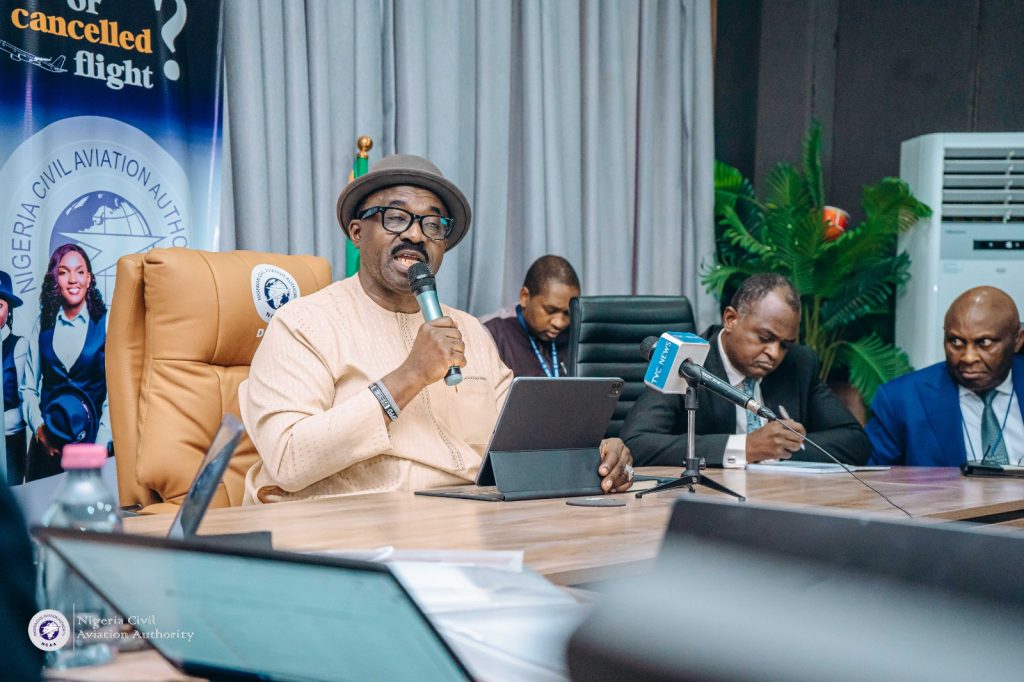
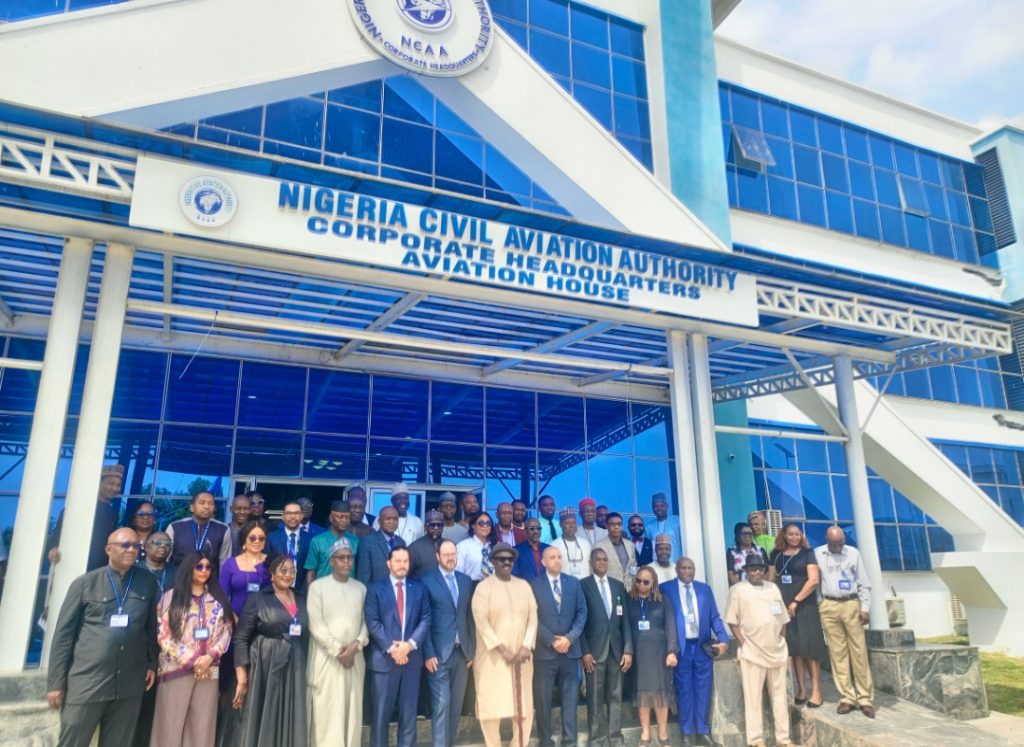
The Director-General of the Nigeria Civil Aviation Authority (NCAA), Capt. Chris Ona Najomo, has commended sister aviation agencies and industry stakeholders for their collective contributions as Nigeria undergoes the International Civil Aviation Organisation (ICAO) Coordinated Validation Mission (ICVM).
Speaking at the opening ceremony of the audit in Abuja, Najomo expressed appreciation for the collaboration and support that have strengthened Nigeria’s aviation safety oversight system, noting that the achievements recorded so far were the result of a coordinated industry effort.
The ICAO ICVM team is in Nigeria to validate the country’s level of compliance with global aviation safety standards and assess the effectiveness of corrective actions taken to address previously identified deficiencies.
Najomo explained that the exercise is a follow-up to the ICAO Universal Safety Oversight Audit Programme Continuous Monitoring Approach (USOAP-CMA) audit conducted between August and September 2023, where Nigeria recorded an Effective Implementation (EI) score of 70.12 percent.
He noted that Nigeria approached the audit findings with seriousness, undertaking detailed root cause analyses and implementing comprehensive Corrective Action Plans (CAPs), which have since been validated by ICAO.
While thanking sister agencies for their roles, the DGCA highlighted key reforms and milestones achieved by the NCAA, including the deployment of modern regulatory software such as EMPIC for personnel licensing and aeromedical processes, and the adoption of SMS Pro for centralized safety data reporting in line with ICAO Annex 19 requirements.
He also pointed to significant investments in human capacity development, revealing that over 100 flight operations and airworthiness inspectors have undergone specialized training in Europe and the Middle East, with additional on-the-job training ongoing through international collaborations, including a partnership with the Rwandan Civil Aviation Authority.
Najomo further disclosed that Nigeria has strengthened regional cooperation by signing Memoranda of Understanding with neighbouring Flight Information Regions (FIRs) to enhance seamless and safe air traffic flow across borders. Other improvements include the implementation of a robust rule-making process to ensure timely adoption of ICAO Standards and Recommended Practices (SARPs), certification of international aerodromes under a stringent five-phase process, and the establishment of a state-of-the-art flight data centre to support risk-based safety oversight under the State Safety Programme (SSP).
According to him, Nigeria also worked closely with the ICAO West and Central Africa (WACAF) Regional Office, hosting two Regional Office Safety Team (ROST) assistance missions in 2025 and 2026, with recommendations from those engagements fully implemented.
Reiterating the country’s commitment, Najomo stressed that the objective of the audit goes beyond improving Nigeria’s EI score. “Our goal is not just about numbers, but to institutionalise a resilient safety oversight system that guarantees continuous improvement in aviation safety performance,” he said.
He added that this commitment aligns with the Federal Government’s policy of strict adherence to international safety standards, which will ultimately enhance Nigeria’s global aviation standing. In his remarks, the ICVM Team Lead, Mr. Jerome Patoreaux, outlined the eight critical elements used by ICAO to assess a country’s safety oversight capability, including legislation, regulations, technical personnel, surveillance, and resolution of safety concerns.
The ongoing audit which will run from 15-22 April, 2026, is expected to further validate Nigeria’s progress and reinforce confidence in the country’s aviation safety framework.