İstanbul escort bayan Adana Escort bayan

Friday, November 20, 2026
Home Blog

Germany Strengthens Nigeria Hockey With Equipment, Coaching Support Ahead of U-18 World Cup

Paul Joseph

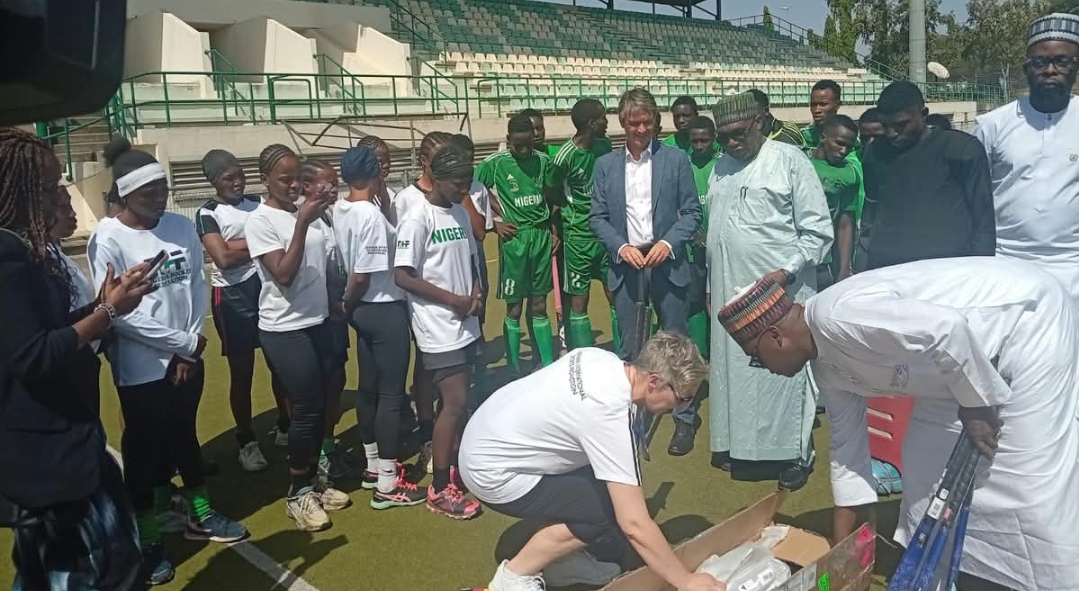
The German Government has strengthened its partnership with the Nigeria Hockey Federation (NHF) through the donation of sports equipment and technical support aimed at improving grassroots development and preparing young Nigerian players for international competitions.

The equipment donation was formally presented on Friday, November 20, 2026, by the German Ambassador to Nigeria, His Excellency Stefan Russell, during a visit to the Nigeria Hockey Federation, as the country’s U-18 national team was already in camp preparing for the inaugural FIH Youth Hockey5s World Cup in Egypt.

The tournament is scheduled to hold from December 7 to 12, 2026, in Ismailia, Egypt, with the pool matches beginning on December 9. Nigeria will compete against some of the world’s best youth teams at the historic championship, which features men’s and women’s U-18 national teams.

The support, facilitated through the German Olympic Sports Confederation (DOSB) in collaboration with Germany’s Federal Foreign Office, the International Hockey Federation (FIH) and the Association of National Olympic Committees of Africa (ANOCA), is part of a German-Nigerian sports development initiative.

Some of the equipment donated include hockey sticks, skates and footwear, gloves, as well as body and leg protection. The donation also features specialised protective equipment for goalkeepers, including leg pads, blockers, catcher gloves, kickers and hand protectors, designed to improve players’ safety and performance during training and competitions.

Speaking during Friday’s event, Ambassador Russell expressed delight at the opportunity to support Nigerian hockey, particularly as the country’s U-18 national team intensifies preparations for the World Cup in Egypt.

He congratulated the players on their qualification and urged them to make the most of the opportunity by giving their best at the competition.

“I’m very proud to hand over today that equipment to your team. I’m also very proud that you are going to the World Cup, and I wish you all the success possible,” the ambassador said.

In an exclusive interview with journalists, the German envoy introduced himself and reaffirmed his country’s commitment to strengthening its relationship with Nigeria through sports and other areas of cooperation.

“My full name is Stefan Russell. I’m the German Ambassador to Nigeria,” he said.

He explained that Germany considers its relationship with Nigeria important and believes both countries should maintain closer cooperation across different sectors, including business, security and sports.

“It’s a country, both countries should be very close together, should work together in many fields, when it comes to business, when it comes to security, but also when it comes to things like sports,” he said.

Ambassador Russell stressed that people-to-people contact was a major component of bilateral relations, noting that sports provides an important platform for bringing citizens of both countries closer together.

“And I think this is where people are concerned, where it’s people-to-people contact. And that’s something we really look forward to strengthen and we want to continue with you, and we feel there’s a lot of success and a lot of potential in it,” he added.

When asked whether the partnership would be sustained beyond the current intervention or become a one-off engagement, the ambassador assured the federation that Germany was interested in building a lasting relationship.

“For me, I think this partnership is going to last. This is what we want to continue. And it’s for both sides. We need to be ready. We need to make an effort. And I think we are ready to do that. And I guess you are too,” he said.

His remarks reinforced Germany’s commitment to continuing its cooperation with Nigeria through sports development and other bilateral engagements.

Earlier, the President of the Nigeria Hockey Federation, Engineer Simon Obadiah Nkom, described the German Government’s intervention as a significant boost to the country’s hockey development efforts.

He disclosed that Germany had earlier deployed an international technical expert, Michael Wehrmann, to Nigeria from June 23 to July 17, where he worked with coaches, players and other stakeholders during the national hockey Super League.

According to Engineer Nkom, Wehrmann also worked with a selected national team for 10 days after the league, helping players improve their technical abilities through his international experience.

One of the major outcomes of the technical intervention was the training and certification of 37 Nigerian coaches under the International Hockey Federation’s coaching programme.

Engineer Nkom explained that 18 coaches obtained FIH Level One certificates, while 19 received Level Two certifications, providing Nigeria with more qualified personnel to develop players and strengthen coaching structures at grassroots level.

He noted that the technical expert also had the opportunity to assess the country’s best players during the Super League, identify areas requiring improvement and share his professional knowledge with the selected national team.

The NHF president described Ambassador Russell’s personal involvement as encouraging, particularly given the numerous diplomatic and economic responsibilities attached to his office.

He said the support would further motivate young Nigerian players, especially members of the U-18 national team who were already in camp ahead of their participation in the World Cup scheduled to begin in Egypt on December 7.

“These players are all under 18. Some of them are just 14 years old, and they are going for the World Cup. They are privileged to have this opportunity, and I know they are going to make Nigeria proud,” he said.

Engineer Nkom assured the German Embassy that the federation was committed to sustaining the relationship, describing Friday’s equipment presentation as a continuation of a partnership with considerable potential for Nigerian hockey.

The NHF president also acknowledged the support of the National Sports Commission, its Chairman, Mallam Shehu Dikko, the Director-General and other sports stakeholders in the country’s hockey development efforts.

He expressed appreciation to the German Government in several Nigerian languages, including English, Hausa, Igbo and Yoruba, as a demonstration of the federation’s gratitude for the intervention.

In his formal remarks, Ambassador Russell reiterated that Germany considered the previous coaching programme successful and appreciated the cooperation received from the federation.

He explained that the equipment was provided through the German Olympic Sports Confederation and the Federal Foreign Office as part of efforts to continue the existing cooperation in the months and years ahead.

He also commended the federation and other stakeholders for their support, expressing optimism about future joint activities.

The event was attended by members of the Nigeria Hockey Federation’s board, including the federation’s vice president, alongside other sports stakeholders and representatives of the Nigerian sporting community.

The latest intervention is expected to strengthen coaching capacity, improve access to essential hockey equipment and provide a foundation for wider grassroots participation, particularly among young players.

With the Nigerian U-18 team already in camp ahead of the December 7 commencement of the World Cup activities in Egypt, the donated equipment and technical support are expected to provide additional encouragement as the players prepare to represent the country on the global stage.

Beyond the immediate benefits of the donation, Germany’s assurance of a lasting partnership presents an opportunity to strengthen hockey development structures, improve technical standards and prepare a new generation of Nigerian players to compete more effectively internationally.
2027: Why Otti should collaborate with Ben Kalu

By Emmanuel Nzomiwu

The All Progressive Congress (APC) formally flagged off its campaigns for the 2027 general elections in Abia State on Monday, November 16, 2026, at the Umuahia Township Stadium, with a mammoth crowd in attendance. The venue and adjoining streets were jam-packed with thousands of people, including political leaders, party stalwarts, candidates and supporters of the party from all the quarters of Abia State, the South-East and beyond.

The large turnout for the rally was seen as “a show of political force” by APC in Abia State, ahead of the 2027 general election. The mammoth crowd demonstrated the strength of APC in the state under the leadership of the Deputy Speaker of House of Representatives, Rt. Hon. Benjamin Okezie Kalu CFR.

Since Kalu emerged as the second highest ranking member in the Green Chamber in the 10th National Assembly (NASS) on June 13, 2023, APC has been gaining ground in Abia State, notwithstanding that the Governor, His Excellency, Alex Otti, belongs to another political party. APC has grown in leaps and bounds, with its membership increasing from less than 10,000, prior to Kalu’s rise to the position of Deputy Speaker, to 162, 000 today.

Leveraging on the sterling leadership of the representative of Bende federal constituency, the party has become a formidable force in the political landscape of Abia State, the only state in Nigeria governed by the Labour Party (LP). Although a leader in the federal party and the highest political office holder from the South East geo-political zone, the Deputy Speaker has never looked down on Governor Otti for belonging to a small party. Kalu accords Otti all the respect and courtesies, he deserves as the Governor and an elder brother.

In fact, Kalu once invited the Governor to join APC for the sake of stability and broader development of Abia State. Otti refused to defect to the ruling party. Sequel to the refusal of the Governor to re-align, the Deputy Speaker adopted a bipartisan approach in engaging with the government of his home state.

As a close observer of political events in Abia State, I think that Otti must work with Kalu in 2027 to maintain political stability in the state. Political stability will guarantee governance, security and institutional continuity, required for sustained economic growth, infrastructure building and social progress in the state.

The two Abia political heavy weights working together will foster federal-state synergy for the development of Abia State. As the Deputy Speaker of the House of Representatives, Kalu represents a major federal power center, which the state government could tap into for the purposes of development in the state.

Equally, the two power brokers partnering across party lines could improve collaboration between Abia State and the federal government. Such collaboration will likely create more opportunities for federal infrastructure projects to the state, to complement the efforts of the Otti administration in infrastructure development, healthcare, education, power generation and industrial development, among others.

Beyond Abia State, a pragmatic working relationship between them could build on regional consensus for safety and economic development in the South East region. During the South-East Security Summit, Kalu publicly praised Otti for his administration’s efforts in keeping Abia State peaceful and secure.

On the flipside: trying to undermine the Deputy Speaker in Abia State could have serious consequences for the re-election of Otti. The crowd he mobilised for the flag off of the APC 2027 campaign in Umuahia underscores his commanding influence and relevance in Abia politics, especially in Bende federal constituency.

Kalu’s supporters and community leaders hinge their backing for him on his national leadership role, impactful representation, including numerous constituency projects, and championing of regional initiatives, for the betterment of Ndigbo in the South East region. They applaud him for bringing visibility and federal access to Bende federal constituency and Abia State in general.

Infrastructure and constituency projects linked to him include road construction and rehabilitation across Bende communities (including roads to Bende town-Umuahia-Bende-Ohafia-Arochukwu corridor) and erosion/ecological interventions. Others are solar-powered boreholes, school renovations, electricity projects and agro-processing mills, such as rice and garri facilities, to mention but a few.

In education, Kalu brought two new federal universities to Item and Bende town, all in Bende Federal Constituency. He also attracted the Federal College of Education Bende. He offered UTME support to students seeking admission to universities and other tertiary institutions.His empowerment programmes include youth empowerment, support and grants, federal/legislative appointments and medical outreaches.

Regarding regional initiatives, he sponsored the bill for the establishment of the South East Development Commission (SEDC) and the Peace in South East Project (PISE-P), aimed at promoting regional development, and achieving lasting peace and stability in the five states of the region.

In recognition of Kalu’s political weight and accomplishments as a top federal lawmaker, he was appointed as the Deputy Director of the APC Presidential Campaign Council (South) II and leader of the political campaign mobilisation in Abia State. He flagged off the campaign a few days ago.

Kalu used the opportunity given to him to speak at the 2027 Abia APC campaign flag-off rally to drum support for the re-election of President Tinubu. He assured the President of 75 percent of the votes in Abia State, far above the 25 percent constitutional threshold, required by the President in the state.

Kalu described the turnout at the rally as evidence of the strength of APC in Abia State, challenging the 162,000 registered members of the party in the state to mobilise 10 voters each for the President. The strategy, he said, could translate into more than 1.6 million votes for the President, representing 75 percent of the 2.3 million eligible voters in the state.

Giving reasons why the South East should vote for Tinubu, the Deputy Speaker explained that the President had demonstrated commitment to the Eastern Region by addressing long-standing grievances, dating back to the civil war. He cited the establishment of South East Development Commission (SEDC) to rebuild the infrastructure destroyed in the South East during the war and address ecological challenges in the region.

Besides, Kalu listed the stabilization of foreign exchange, tax reforms, increased security funding and introduction of student loan under the Nigeria Education Loan Fund (NELFUND) among other achievements of the President. I may not have the luxury to mention all of them here.

To conclude, I am aware that Governor Otti had earlier in September this year, declared his support for President Tinubu. Hence, I see the support for the President as a possible point of convergence between Otti and Kalu. For the sake of stability and broader interest of Abia and the South East in general, they should work together in 2027.

Nzomiwu, a public affairs analyst, writes from Enugu

Experts seek clearer definitions of Cybercrime Act to safeguard arbitrary arrests

By Admin

Some Legal Practitioners have called for reforms in Nigeria’s digital governance framework to prevent the use of cybercrime laws against individuals, particularly journalists and online content creators.

The practitioners made the call in a paper titled: “The New Frontier of Digital Governance in Nigeria: Tech Regulations and the Mechanics of Criminal Liability” at the 8th Annual Criminal Law Review Conference organised by the Rule of Law Development Foundation on Thursday in Abuja.

A’Ishetu Isa in her presentation noted that the rapid growth of digital technology and artificial intelligence had created new opportunities but also increased criminal activities that required effective legal regulation.

According to her, the emergence of digital platforms, artificial intelligence and virtual assets has raised complex questions about criminal responsibility, ownership, data protection and the admissibility of electronic evidence.

She said criminal liability in the digital space should be determined by establishing who controlled the data or system, who authorised the conduct, who benefited from it and what evidence could prove responsibility.

Isa, stressed that technological advancement did not alter the constitutional requirements for establishing criminal responsibility.

Also speaking in a related paper on the same subject, Habeeb Oredola, SAN, argued that Nigeria’s digital governance framework was characterised by an imbalance in the treatment of individuals and large technology companies.

He said individuals, particularly those expressing opinions online, could face criminal sanctions under provisions of the Cybercrimes Act, while major technology companies were largely subjected to administrative penalties.

Oredola identified Section 24 of the Cybercrimes (Prohibition, Prevention, etc.) Act as one of the contentious provisions, warning that some of its terms remained insufficiently defined.

He called for clearer definitions of offences, stronger safeguards against arbitrary arrests and explicit protection for public-interest expression.

The SAN also recommended that speech cybercrime prosecutions should require the Attorney-General’s consent, while arrests should be subject to judicial authorisation.

He further advocated clearer rules governing corporate and individual liability, as well as transparency in administrative penalties imposed on technology companies.

On emerging technologies, Oredola said laws regulating artificial intelligence and digital assets should clearly define criminal conduct and establish specific standards for determining liability.

He warned against creating broadly worded criminal offences before the nature and potential harms of emerging technologies were properly understood.

The Nigeria’s primary cybercrimes/prohibition act 2015, was amended in February 2024.

It establishes a legal and institutional framework to prevent, detect, investigate, and prosecute digital offenses while protecting critical national information infrastructure.

Credit: NAN

AIRS Unveils New Security Framework, Targets 188 Communities in Six States

Alex Joseph

The African Institute of Resilience Studies (AIRS) has announced plans to assess the vulnerability and security preparedness of 188 communities across six South-West states as part of efforts to develop sustainable solutions to Nigeria’s growing security challenges.

The initiative is one of four flagship programmes unveiled by the institute during its inauguration, alongside plans to strengthen community policing, develop community-based security models and improve the livelihoods of women and young people affected by insecurity.

The institute said the programmes would promote evidence-based policymaking, strengthen local security structures and equip communities with the capacity to withstand and recover from terrorism, kidnapping, economic shocks, displacement and other emerging threats.

Speaking at the inauguration, Chairman of the Board of Directors, Prof. Rowland Ndoma-Egba, said the increasing complexity of security threats required a shift from conventional security approaches towards a broader framework that integrates security with societal resilience.

Ndoma-Egba explained that while security institutions focus on preventing and responding to threats, resilience ensures that communities, institutions and essential services can withstand disruptions, adapt and recover from crises.

He described the institute as a continental centre for research, policy, practice and impact, established to strengthen civil society resilience and promote effective security and protection policies.

He disclosed that AIRS had submitted a proposal to the Federal Government committee reviewing the 2019 National Security Strategy, recommending that the document be renamed the National Security and Resilience Strategy to reflect the growing importance of resilience in national protection.

According to him, the proposed framework would establish clear institutional responsibilities, measurable objectives and indicators, supported by regular monitoring and annual progress reports.

In his keynote address, Professor Tobi Alabi of the Nigerian Defence Academy, Kaduna, identified community participation, effective security institutions and responsive governance as critical pillars for addressing Nigeria’s security challenges.

Speaking on the theme, “Building Resilience in an Era of Emerging Risks: Integrating Community Security and Governance into National Protection,” Alabi maintained that security agencies could not effectively combat insecurity without building public trust and establishing functional relationships with the communities they serve.

He identified traditional rulers, community associations, women and youth groups as important sources of intelligence and early-warning information, calling for improved engagement, training, motivation and information-sharing between communities and security agencies.

The security expert also linked insecurity to unemployment, economic hardship and social vulnerability, urging government to expand economic opportunities and support systems, particularly for young people.

He stressed the need for coordinated intelligence gathering and security operations that respect fundamental human rights, noting that fragmented institutional responses had weakened efforts to tackle emerging threats.

Meanwhile, Major General A.T. Umaru (Rtd), PhD, a member of the institute’s Board of Directors, formally unveiled the four flagship programmes.

They include Community Policing Research, Community-Based Security Model, Women and Youth Livelihood Initiative, and the Community Resilience Index.

Under the Community Policing Research programme, AIRS will examine how traditional institutions, police officers, civil society organisations and community groups can establish practical early-warning, referral and response mechanisms while maintaining human rights standards and accountability.

The Community-Based Security Model will undertake a comparative assessment of existing community security arrangements, including the Civilian Joint Task Force in Borno State, Amotekun in the South-West, Kaduna State Community Watch Corps, Kano State Neighbourhood Watch Corps and Zamfara State Community Protection Guards.

The objective, according to the institute, is to identify the strengths, weaknesses and legal safeguards of the different structures and develop adaptable models for the country’s six geopolitical zones.

The Women and Youth Livelihood Initiative will focus on improving the economic resilience of vulnerable women and young people, particularly those affected by insecurity, displacement, drought and other crises.

The Community Resilience Index, considered one of the institute’s major research interventions, will provide government and development partners with measurable data on community vulnerability, preparedness and capacity to recover from disruptions.

AIRS said its first-year activities would include developing a toolkit based on seven pillars and 35 indicators, supported by a mobile data collection application and training manual.

It also plans to conduct more than 4,000 household surveys across 188 communities in the six South-West states, develop a Resilience Atlas identifying vulnerable local government areas and submit a policy brief to the Nigeria Governors’ Forum, the Office of the National Security Adviser and the National Institute for Policy and Strategic Studies.

Beyond the four programmes, the institute announced plans to establish the Africa Journal of Resilience Management and Governance and a Resilience Leadership Academy.

The academy is expected to train at least 100 security officers, traditional rulers, women leaders and local government officials during its first year.

Speaking on behalf of the Special Guest of Honour, the Chief of Defence Intelligence, Lieutenant General Emmanuel Undiandeye, Air Vice Marshal B.R. Mamma welcomed the establishment of the institute, describing research, policy formulation and practical solutions as essential components of the country’s security architecture.

He said the armed forces and other security institutions could not address Nigeria’s security challenges in isolation, stressing the importance of reliable data, evidence-based policies and effective collaboration with communities.

He identified terrorism, kidnapping, child trafficking and organised crime among the threats requiring coordinated responses involving government, security agencies, researchers and local communities.

Mamma also called for stronger partnerships among government institutions, academia, civil society and development partners, urging AIRS to preserve its independence, integrity and commitment to research-driven solutions.

Earlier, reviewing the book, Governance and Resilience in the Age of Complexity: An African Perspective, Prof. Emmanuel Abolo, Group Managing Director and Chief Executive Officer of Risk Management Academy Limited, described the publication as a significant contribution to contemporary debates on governance, security and resilience in Africa.

Abolo said the book challenged the tendency to assess African governance exclusively through institutional failures, arguing that the continent’s experiences offered valuable lessons on anticipating, absorbing and adapting to complex crises.

He highlighted the publication’s exploration of interconnected challenges, including insecurity, epidemics, economic shocks, climate-related disasters, violence and institutional weaknesses.

According to him, the book presents five essential dimensions of resilience: robustness, resistance, recovery, adaptation and transformation.

He commended its intellectual depth, balanced analysis, reliance on African scholarship and practical recommendations for policymakers and practitioners, while identifying areas requiring further research, including digital violence, geographical coverage and the evaluation of community-based security arrangements.

The inauguration signals AIRS’s ambition to bridge the gap between security research, policymaking and community-level interventions, with a broader objective of strengthening institutional capacity and building more resilient societies across Nigeria and the African continent.

Dabiri-Erewa Celebrates 14 Nigerian-Americans Over Victories in US Midterm Elections

Oru Leonard

The Chairman of the Nigerians in Diaspora Commission (NiDCOM), Hon. Abike Dabiri-Erewa, has congratulated 14 Nigerian-Americans who emerged victorious in the November 3, 2026, United States midterm elections.

Dabiri-Erewa described their electoral successes as a testament to the growing influence, contributions and participation of Nigerians in the diaspora in political leadership and governance.

Among the notable winners are Will Jawando, elected Montgomery County Executive in Maryland; Oye Owolewa, returned as an At-Large Member of the DC Council; and Junior Ezeonu, who won a seat in the Texas House of Representatives for District 101.

Other successful candidates include Olaleye Onikuyide of Connecticut, Ukeme Jeter of Ohio, Odus Evbagharha of Texas and Carol Kazeem, who secured re-election to the Pennsylvania House.

In Georgia, Gabe Okoye, Phil Olaleye and Solomon Adesanya emerged victorious in their respective State House contests, while Segun Adeyina also won the election for District 110.

Similarly, Esther Agbaje retained her seat in the Minnesota House of Representatives, while Justin Onwenu won in Michigan and Janelle Anyanonu secured victory in New Mexico.

The Commission also disclosed that the outcome of the contest involving KC Ohaebosim, a 10-year member of the Kansas State Legislature, who is seeking election as Lieutenant Governor of Kansas, was still being awaited.

Dabiri-Erewa commended the Nigerian-American politicians for their dedication to public service and democratic participation, expressing confidence that their victories would provide further opportunities for meaningful contributions to their respective communities.

She also wished the newly elected and re-elected officials successful and impactful tenures.

The statement was signed by Abdur-Rahman Balogun, Head of Media, Public Relations and Protocols Unit of NiDCOM.

NIGERIA’S GROWING DEBT BURDEN: THE IMPLICATIONS OF TINUBU’S ESCALATING BORROWING AND THE FUTURE OF THE ECONOMY

By Oru Leonard Oru

Nigeria’s growing appetite for borrowing has become one of the most important economic questions confronting the country. As the administration of President Bola Ahmed Tinubu continues to pursue ambitious economic reforms, infrastructure development and budgetary commitments, the increasing reliance on domestic and foreign loans raises fundamental questions about fiscal sustainability, economic priorities and the future of national development.

Borrowing, in itself, is not an economic crime. Governments across the world borrow to finance infrastructure, stimulate production, address fiscal deficits and support economic growth. Indeed, responsible borrowing can be an important instrument of national development.

However, the real issue is not simply how much a country borrows, but what it borrows for, how efficiently the money is utilised, what economic value it generates and whether the resulting benefits can justify the financial obligations imposed on present and future generations.

For Nigeria, these questions have become increasingly urgent.

THE ESCALATING DEBT PROFILE

Recent figures from Nigeria’s Debt Management Office indicate that the country’s total public debt stood at approximately ₦166.79 trillion as of June 30, 2026. This represents an increase of about ₦7.44 trillion compared with the first quarter of the year.

The debt portfolio comprises domestic and external obligations, with the Federal Government accounting for the overwhelming proportion.

More recently, on November 4, 2026, President Tinubu requested legislative approval for approximately $7.7 billion in fresh external borrowing to finance components of the 2026 budget and government programmes. The request effectively replaces an earlier borrowing proposal of approximately $20.3 billion.

The development has once again brought the country’s borrowing strategy into the national conversation.

Nigeria’s 2026 budget, valued at ₦68.32 trillion, provides for approximately ₦15.8 trillion in debt servicing. This is a substantial financial commitment that illustrates the pressure existing debt obligations place on public finances.

The concern is that government must continue to borrow to finance development while simultaneously committing significant portions of its revenue to servicing loans already obtained.

This raises an important question: How much borrowing can Nigeria sustain without compromising its capacity to finance essential public services and stimulate productive economic activities?

THE COST OF BORROWING TO ORDINARY NIGERIANS

The implications of escalating public debt extend beyond government balance sheets. They eventually affect the economic and social conditions of ordinary Nigerians.

When a significant proportion of public revenue goes into interest payments and debt obligations, fewer resources may be available for critical sectors such as healthcare, education, agriculture, security, transportation, electricity and social welfare.

The consequences can be far-reaching.

Hospitals require modern equipment, qualified personnel and adequate funding. Schools and universities need infrastructure, research facilities and improved learning environments. Farmers require accessible financing, modern technology, storage facilities and reliable transportation networks.

Small and medium-sized enterprises need affordable credit, stable electricity, functional infrastructure and a predictable business environment.

When government finances become increasingly constrained by debt obligations, these sectors risk receiving inadequate attention.

There is also the danger that domestic borrowing could make it more expensive for private businesses to access credit. When government absorbs a substantial portion of available funds in the financial market, businesses may face higher borrowing costs or reduced access to financing.

This is particularly concerning in an economy where private-sector investment is urgently needed to generate employment, expand production and reduce poverty.

THE FOREIGN EXCHANGE DIMENSION

Nigeria’s external borrowing presents another important challenge.

Foreign loans are generally denominated in currencies such as the United States dollar. Consequently, fluctuations in the exchange rate can significantly increase the naira value of existing obligations.

A loan obtained when the exchange rate is relatively favourable may become substantially more expensive when the naira depreciates.

This creates an additional burden for a country whose revenue is largely collected in naira but whose external debt obligations must be serviced in foreign currency.

Nigeria therefore needs to strengthen its foreign exchange earnings through increased exports, industrialisation, agricultural production, solid minerals development, manufacturing and other productive sectors.

A country cannot indefinitely depend on foreign borrowing without building the productive capacity required to generate the foreign exchange necessary for repayment.

BORROWING MUST PRODUCE ECONOMIC VALUE

One of the most important considerations in assessing government borrowing should be the economic returns on borrowed funds.

If Nigeria borrows to construct functional highways, modernise railway infrastructure, improve electricity generation and distribution, develop agricultural value chains and expand industrial capacity, such investments can potentially generate economic benefits that extend beyond the repayment period.

However, borrowing becomes problematic when projects are poorly conceived, abandoned, inflated in cost or implemented without adequate economic justification.

The country must move beyond announcing loan approvals and budgetary allocations to demonstrating the actual impact of borrowed funds.

Every major borrowing arrangement should have clearly defined objectives, implementation timelines, measurable deliverables and transparent reporting mechanisms.

Nigerians deserve to know not only how much government borrows but also where the money goes, which projects benefit and what measurable economic returns are generated.

Accountability must not end with legislative approval of loans. It must extend to procurement, disbursement, project implementation and independent evaluation.

THE GOVERNMENT’S ARGUMENT AND THE NEED FOR BALANCE

The Tinubu administration has consistently presented its economic reforms as necessary measures to address longstanding structural weaknesses in the Nigerian economy.

The removal of fuel subsidies, foreign exchange reforms and efforts to improve revenue mobilisation have been defended as steps towards creating a more sustainable economic environment.

Government has also argued that borrowing is necessary because available revenue cannot adequately finance the country’s infrastructure requirements, recurrent expenditure and other national obligations.

There is an economic argument in favour of this position. Nigeria has enormous infrastructure deficits and development needs that cannot necessarily be addressed through annual revenue alone.

Nevertheless, the success of this approach must ultimately be measured by improvements in the living conditions of Nigerians, increased productivity, employment generation, industrial expansion and the quality of public infrastructure.

Economic reforms cannot be evaluated exclusively through macroeconomic indicators, government revenue figures or the confidence of international financial institutions.

The ordinary Nigerian must also experience tangible improvements in purchasing power, access to opportunities, affordable transportation, electricity supply and the cost of doing business.

The ultimate test of economic policy is its impact on the people.

NIGERIA MUST EXPAND ITS REVENUE BASE

Perhaps the more fundamental problem confronting Nigeria is not merely its borrowing appetite but its inability to generate sufficient revenue from its enormous economic potential.

Nigeria possesses significant opportunities in agriculture, solid minerals, manufacturing, tourism, information technology, maritime activities, aviation and the creative industries.

Yet, many of these sectors remain underdeveloped.

Rather than relying excessively on loans, government should intensify efforts to unlock these economic opportunities through strategic investments, public-private partnerships, improved tax administration and policies that encourage domestic and foreign investment.

The solid minerals sector, for instance, could become a significant source of revenue and employment if properly regulated, developed and integrated into local manufacturing.

Agriculture should move beyond subsistence production towards commercial farming, agro-processing, storage, packaging and export development.

Nigeria must also take advantage of international trade relationships to expand non-oil exports and attract productive investments.

Our economic diplomacy should therefore go beyond ceremonial engagements to practical trade agreements, technology transfers, industrial partnerships and market access.

These are areas where countries such as Bangladesh, India, Turkey and other emerging economies offer useful lessons in export-oriented development, manufacturing and SME growth.

WHAT SHOULD CHANGE?

There is a compelling need for a more disciplined national borrowing framework.

First, government should prioritise borrowing for productive capital investments rather than using loans to sustain avoidable recurrent expenditure.

Second, every major loan should be accompanied by a transparent project implementation and repayment framework.

Third, the National Assembly must exercise effective oversight by examining the terms, costs, beneficiaries and economic implications of proposed borrowing arrangements.

Fourth, government should strengthen independent monitoring of projects financed through borrowed funds and make implementation reports accessible to the public.

Fifth, Nigeria must urgently address its revenue-generation challenges by broadening the productive economy, reducing revenue leakages and improving the efficiency of public institutions.

Finally, government must develop a credible medium- and long-term debt management strategy that protects future generations from inheriting unsustainable financial obligations.

THE FUTURE CANNOT BE BUILT ON BORROWING ALONE

Nigeria stands at a critical point in its economic development. The country needs infrastructure, industrial expansion, quality education, improved healthcare, modern agriculture and an enabling environment for businesses.

These objectives require substantial financial resources, and borrowing may remain part of the financing equation.

However, borrowing cannot become a permanent substitute for economic productivity, effective governance and responsible fiscal management.

The danger is not simply that Nigeria is borrowing more money. It is that the country could find itself allocating an increasing proportion of its future revenues to obligations created today, thereby limiting the resources available for tomorrow’s development.

President Tinubu’s administration must therefore demonstrate that its borrowing decisions are supported by measurable economic benefits, transparent implementation and a realistic repayment strategy.

Nigeria must borrow to build productive capacity, not merely to postpone fiscal difficulties.

The real measure of successful borrowing is not the amount of money secured from international lenders or the volume of infrastructure announced in budget documents. It is the extent to which such borrowing improves the economy, expands opportunities, creates jobs, increases national revenue and improves the welfare of citizens.

Ultimately, Nigeria needs an economy that can finance a substantial proportion of its development from its own productive strength.

A nation cannot borrow its way permanently into prosperity. It must produce, manufacture, export, innovate and generate sufficient revenue to sustain its ambitions.

That is the economic conversation Nigeria must have now.

Oru Leonard Oru (frpa mnim), is a Media and Business Development Practioner based in Nigeria. Whatsapp: +234 8022426520. Email: oruleonard50@gmail.com

Tinubu Moves to Expand Grassroots Sports Development Nationwide as Summit Holds November 18–19

Alex Joseph/ Oru Leonard

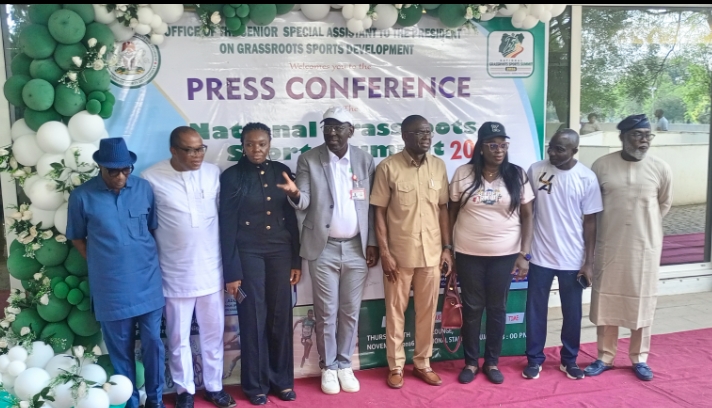
President Bola Ahmed Tinubu’s administration is set to strengthen grassroots sports development across Nigeria’s 774 local government areas as stakeholders prepare for the 2026 National Grassroots Sports Development Summit scheduled for November 18 and 19 in Abuja.

The two-day summit, which will take place at the Banquet Hall of the State House, Presidential Villa, is aimed at establishing a sustainable national framework for identifying, nurturing and developing young sporting talents across the country.

The Senior Special Assistant to the President on Grassroots Sports Development, Hon. Adeyinka Anthony Adeboye, disclosed this during a press briefing in Abuja, noting that Nigeria must move away from accidental talent discovery to a structured system that provides young athletes with opportunities to excel.

According to him, the country risks losing potential world champions because many gifted children lack access to sporting facilities, qualified coaches, equipment and organised competitions.

He said the summit, themed “Creating a New Pathway for Sustainable Grassroots Sports Development,” would bring together government representatives, sports federations, state and local government officials, private-sector organisations, development partners, athletes and coaches to develop practical solutions for the sector.

Adeboye explained that the initiative would address critical challenges affecting grassroots sports, particularly inadequate infrastructure, limited funding, poor coaching opportunities and the absence of structured pathways for discovering and developing young athletes.

He stressed that sporting opportunities should not depend on a child’s geographical location, family background or connections but should be accessible to talented Nigerians across the country.

The presidential aide also called on state governors, local government chairmen, parents, teachers and corporate organisations to support grassroots sporting activities and invest in programmes capable of identifying and nurturing young talents.

The summit will focus on five major pillars: participation, talent development, infrastructure, sports economy and international pathways.

The Nigerian Economic Summit Group (NESG) has been engaged as the technical partner to help ensure that deliberations produce evidence-based recommendations and a workable national development roadmap.

Director-General of the National Institute for Sports, Philip Shaibu, who also spoke on the initiative, said President Tinubu had demonstrated the political will to reposition the country’s sports sector.

Shaibu identified bureaucratic bottlenecks as one of the challenges affecting sports administration, expressing optimism that the establishment of the National Sports Commission would provide a more efficient framework for sports management and development.

He also called for greater accountability among officials responsible for implementing sports policies and programmes.

The summit is expected to generate actionable recommendations for strengthening talent identification, improving sporting infrastructure, expanding private-sector participation and creating sustainable opportunities for young athletes to progress from community-level competitions to national and international platforms.

The organisers said the ultimate objective is to establish a coordinated grassroots sports development system capable of unlocking Nigeria’s sporting potential and creating opportunities for young people across all 774 local government areas.

FIBA AFRICA ZONE 3 MOURNS DEATH OF COMPETITIONS CHIEF, AYAMBIRE

Oru Leonard

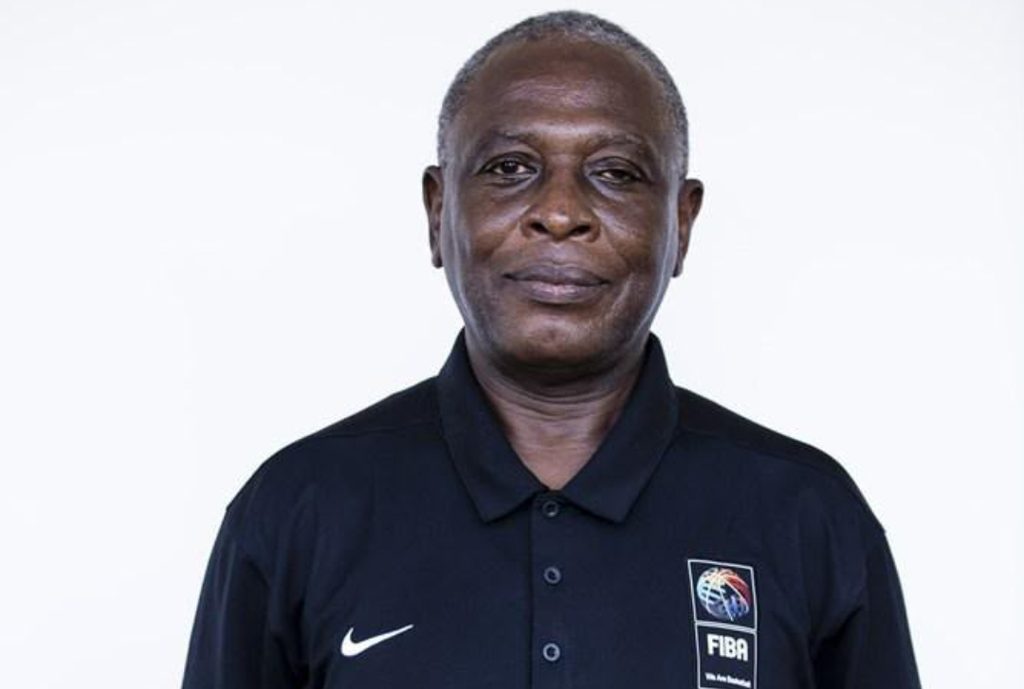
The basketball family in FIBA Africa Zone 3 has been thrown into mourning following the death of its Head of Competitions and Technical Council, Mr Idrissu Ayambire, who passed away on Thursday morning at his residence in Accra, Ghana.

His death has come as a major shock to colleagues and basketball administrators, many of whom had remained optimistic about his recovery and anticipated his return to active service.

In a condolence letter addressed to the President of the Ghana Basketball Association (GBBA), Alex Kukula, FIBA Africa Zone 3 President, Col. Sam Ahmedu (rtd), expressed deep sadness over the development, describing Ayambire’s passing as unexpected.

Ahmedu acknowledged the late official’s health challenges and the efforts made by the Zone to support him during his illness, noting that his death was a painful loss to the basketball community.

He described Ayambire as a principled and committed administrator whose experience, professional contributions and wise counsel played significant roles in advancing basketball administration within the region.

According to him, the late Ayambire’s dedication to the sport and invaluable advice would be greatly missed by the Zone.

Ayambire had a distinguished career in basketball, beginning as a referee before transitioning into administration after years of officiating matches.

He subsequently served as a Match Commissioner and FIBA delegate, positions that reflected his extensive knowledge of the game and the confidence reposed in his professional competence.

Until his death, he served as Head of Competitions and Technical Council of FIBA Africa Zone 3, contributing to the organisation and technical management of basketball competitions across the region.

As a mark of respect, a minute of silence will be observed before Thursday’s final match at the ongoing FIBA Africa Zone 3 (FAZ3) African Women’s Basketball League (AWBL) Qualifiers.

The tribute is expected to bring together players, match officials, administrators and other stakeholders to honour the memory of the late basketball administrator and acknowledge his years of service to the game.

Ahmedu, on behalf of the Zone’s board and affiliated national federations, extended heartfelt condolences to the Ghana Basketball Association and the bereaved family, praying for the peaceful repose of Ayambire’s soul and divine strength for his loved ones to bear the loss.

SIGNED

Media Committee,
FIBA Africa Zone 3

November 5, 2026.

Tinubu’s Education Reforms Delivered N372bn Student Loans, 156,000 TVET Trainees – APC Campaign Council

Njideka Ozoalor

President Bola Ahmed Tinubu’s reforms in the education sector have boldly expanded access to learning, improved teachers’ welfare and stabilised the academic calendar across tertiary institutions in the country.

This assertion was contained in a statement issued by the All Progressives Congress Presidential Campaign Council on Wednesday, citing the Federal Ministry of Education’s Nigerian Education Sector Renewal Initiative (NESRI) 2026 report as its authority.

According to the report, the Federal Government’s interventions have covered basic and secondary education, technical and vocational training and tertiary education, focusing on six priority areas including technical and vocational education, science and medical sciences, out-of-school children, girl-child education, digitalisation and education quality assurance.

The report said the Federal Government allocated a record N3.52 trillion to education in the 2026 budget and secured $552 million for the HOPE-EDU programme targeting 29 million children, over 500,000 teachers and 65,000 public schools.

It added that the Better Education Service Delivery for All (BESDA) programme has returned over one million out-of-school children to learning, trained 1,400 Tsangaya teachers and established 200 bilingual centres across 17 northern states, while the Adolescent Girls Initiative for Learning and Empowerment (AGILE) has reached 7.19 million girls with 3.7 million enrolled in secondary schools.

On curriculum reform and teacher development, the NESRI index indicated that the administration introduced a revised national curriculum that reintroduces Nigerian history and strengthens Civic and Heritage Studies, while the National Learning Assessment has been restored to monitor pupils’ performance.

It said under the EduRevamp initiative, 53,553 teachers have registered while 51,794 joined the first cohort of the Accelerated Teacher Professionalisation Pathway (ATPP), a six-month programme offering professional qualifications, certification and licensing, backed by N2 billion and targeting 250,000 teachers by 2027.

The council disclosed that the Technical and Vocational Education and Training (TVET) scheme has attracted over 2.8 million applications with 156,446 verified trainees receiving free training, monthly stipends and start-up support, with over N65.7 billion disbursed to trainees and N30.2 billion to training centres.

It said the government has also rehabilitated 38 technical colleges and introduced free technical education covering tuition, boarding, textbooks and uniforms, alongside the Inspire Live initiative providing online lessons from Primary One to SS3 with certified teachers and AI-assisted learning.

For tertiary education, the statement said the Nigerian Education Loan Fund (NELFUND), a flagship programme of the Tinubu administration, has processed 1,659,853 applications and disbursed N372.62 billion, comprising N192.89 billion for tuition and N179.73 billion for upkeep allowances across 319 institutions.

It added that the administration resolved the age-long dispute with the Academic Staff Union of Universities (ASUU), implemented a 40 per cent increase in academic staff remuneration, and disbursed N28 billion to 15,000 workers across 153 public institutions under the Tertiary Institutions Staff Support Fund, with eligible staff accessing up to N10 million for housing, healthcare, transportation and education.

The council further said the Federal Government is investing N110 billion in the rehabilitation of 18 federal medical schools across the six geopolitical zones, with nursing enrolment rising from 81,480 in 2023 to 114,300 in 2025, while 20 STEM-focused tertiary institutions have been approved and 12 engineering faculties are slated for rehabilitation.

On research and innovation, it said the government provides N365 million annually through the National Laureate Prize, while the Student Venture Capital Grant has disbursed over N2.5 billion to 45 student entrepreneurs with up to N50 million in equity-free funding each, alongside ongoing entrepreneurship certification in 14 federal universities and the Diaspora BRIDGE initiative registering 1,141 Nigerian experts abroad reaching 16,675 students.

Quoting the Minister of Education, Dr. Tunji Alausa, the council said the success of the reforms would be measured by impact on students, teachers and institutions, not merely by funds allocated.

“Our measure of success is not merely the amount of money allocated to education or the number of programmes introduced. It is the difference these interventions make in the lives of our children, students, teachers and institutions,” Alausa was quoted as saying.

FG BEGINS PHYSICAL PHASE OF 2026 NATIONAL YOUTH CONFAB, SEEKS ACTIONABLE RECOMMENDATIONS

Oru Leonard

The Federal Government has commenced the physical phase of the 2026 National Youth Conference, urging delegates to develop practical and achievable recommendations that will address the challenges facing Nigerian youths and advance national development.

The Minister of Youth Development, Comrade Ayodele Olawande, gave the charge at the opening of the physical phase of the conference held at the NAF Conference Centre and Suites, Abuja, under the theme, “Next Gen Nigeria: Crafting Solutions, Owning the Future.”

Olawande described the conference as a significant step towards strengthening youth participation in national decision-making, noting that the virtual phase had provided an inclusive platform for young Nigerians from all 36 states and the Federal Capital Territory to contribute ideas on critical national issues.

He said discussions during the virtual sessions covered leadership and governance, employment, education, skills development, technology, climate change, peace, security and national unity.

According to him, the physical phase offers delegates an opportunity to examine the issues raised, identify priority challenges and develop concrete recommendations that can inform government policies and programmes.

The Minister stressed that the conference must go beyond discussions and produce measurable outcomes capable of improving the lives of young Nigerians.

He reaffirmed the commitment of President Bola Ahmed Tinubu’s administration, through the Renewed Hope Agenda, to youth development, particularly in education, skills acquisition, entrepreneurship, technological advancement and job creation.

Olawande urged participants to engage constructively, respect divergent opinions and remain focused on solutions, reminding them that they represent millions of young Nigerians whose expectations must be reflected in the conference’s resolutions.

In her welcome address, the Permanent Secretary of the Ministry, Dr. Maryam Keshinro, described young people as important stakeholders in Nigeria’s present and future, urging delegates to take ownership of the conference and translate their discussions into practical recommendations, partnerships and measurable commitments.

She assured participants that the Ministry would collaborate with relevant stakeholders to ensure that the conference outcomes promote youth inclusion, national unity, accountability and participation in governance.

Also speaking, the United Nations Population Fund (UNFPA) Country Representative, Muriel Mafico, commended the Minister for his commitment to youth development, describing the conference as an important platform for young Nigerians to shape their future and contribute to development in Nigeria, Africa and beyond.

Mafico highlighted the need to address concerns affecting young people, including unemployment, rising living costs, poverty, education, skills development and mental health.

She reaffirmed UNFPA’s commitment to supporting initiatives that amplify young people’s voices and translate their priorities into sustainable development programmes and meaningful outcomes.

Similarly, the Chairman of the Senate Committee on Youth Development and Community Engagement, Senator Yemi Adaramodu, represented by the committee’s Clerk, Dr. Ijeoma Chikwem, commended the organisers for creating an avenue for young Nigerians to exchange ideas and strengthen their leadership capacities.

He emphasised the importance of youth empowerment, skills acquisition and employment generation, encouraging young people to embrace entrepreneurship, innovation, technology and responsible citizenship.

He also called for stronger collaboration among government institutions, the private sector, civil society organisations and community leaders to create opportunities for young Nigerians.

The Managing Director/Chief Executive Officer of the Niger Delta Development Commission (NDDC), Dr. Samuel Ogbuku, also praised the Minister for promoting youth inclusion in national decision-making.

Ogbuku described the conference as a historic opportunity for young Nigerians to contribute to shaping the country’s future, urging delegates to promote national unity, mutual understanding and cooperation across ethnic and regional boundaries.

He challenged participants to channel their energy and creativity towards developing practical solutions to national challenges and demonstrating their capacity for leadership.

The NDDC chief expressed optimism that recommendations from the conference would contribute to building a better Nigeria.

Cover Photo Caption: From right, Minister of Youth Development, Comrade Ayodele Olawande,, Permanent Secretary, Federal Ministry of Youth Development, Dr.(Mrs). Maryam Keshinro and the Clerk, Senate Committee on Youth Development and Community Engagement, Dr. Ijeoma Chiwem during the opening ceremony and proceedings of the Physical Phase of the National Youth Confab 2026 in Abuja on Wednesday (4/11/26).