
İstanbul escort bayan Adana Escort bayan

Friday, November 20, 2026
Home Blog Page 3

Engineers Seek Urgent Review of Abuja’s Drainage Network to Curb Flooding

Alex Joseph

Environmental engineers have urged the Federal Capital Territory Administration (FCTA) to review Abuja’s drainage infrastructure, strengthen development control and implement long-term flood prevention measures to address recurring flooding across the territory.

The experts warned that unregulated construction, blocked waterways, inadequate drainage facilities and weak enforcement of urban planning regulations were worsening the capital’s flood risks, stressing that a proactive approach could significantly reduce the impact of heavy rainfall.

The call was made at the Conference and Annual General Meeting of the Nigerian Institution of Environmental Engineers (NIEE), Abuja Chapter, held along Airport Road, Lugbe, on Tuesday, October 20, 2026.

The conference, themed “Strategic Approaches to Flood Mitigation and Management in the FCT,” brought together engineering professionals and stakeholders to examine practical solutions to the territory’s persistent flooding challenges.

National Chairman of the NIEE, Engr. Caius Ikem Umekesiobi, called for a comprehensive audit of Abuja’s drainage master plan to determine whether existing infrastructure meets the demands of the city’s expanding population and changing environmental conditions.

He said comparing approved drainage designs with existing infrastructure would help authorities identify construction deficiencies, blocked channels, encroached waterways and other factors contributing to flooding.

Umekesiobi maintained that flooding should not be accepted as an inevitable consequence of rainfall, noting that poor waste disposal, construction on floodplains, inadequate drainage and uncontrolled urban expansion had increased the vulnerability of several communities.

He urged the FCTA to enforce restrictions on development along natural waterways and floodplains, while ensuring that drainage channels undergo regular maintenance before the rainy season.

“The question before us is not whether floods will come, but whether we will be prepared,” he said.

The NIEE chairman also advocated sustainable drainage solutions, including permeable pavements, retention ponds, constructed wetlands and rainwater harvesting systems, to complement conventional drainage infrastructure.

He recommended the application of geographic information systems (GIS), remote sensing, hydrological modelling and integrated early-warning systems to identify flood-prone areas and improve preparedness.

According to him, environmental engineers should be involved in urban planning and infrastructure development from the outset rather than being called upon only after disasters have occurred.

He stressed that investment in infrastructure must be matched by effective regulation, professional oversight and sanctions for violations of approved engineering and development standards.

Also speaking, the Deputy President of the Nigerian Society of Engineers, Engr. Valerie Ifueko Agberagba, called for a technical assessment of Abuja’s drainage network to establish the extent to which existing facilities conform to their original designs.

Agberagba explained that comparing approved engineering plans with the infrastructure on the ground would help determine whether drainage systems had been properly constructed, obstructed by subsequent developments or rendered inadequate by increasing urban demands.

She said the assessment would enable engineers to identify deviations from approved drainage routes, locate obstructions and recommend appropriate corrective measures.

Agberagba attributed some of Abuja’s flooding problems to rapid population growth, expanding construction activities and alleged disregard for the city’s master plan.

She urged the authorities to review building approvals and ensure that new developments do not interfere with designated drainage corridors.

Where existing drainage facilities can no longer accommodate stormwater effectively, she recommended redesigning and upgrading the infrastructure to meet present-day requirements.

Chairman of the NIEE Abuja Chapter, Engr. Uche Patrick-Obike, outlined a phased approach to flood mitigation, identifying drainage maintenance, stronger land-use enforcement and community-based early-warning systems as immediate priorities.

She proposed that drainage channels be desilted and stormwater infrastructure improved within the first three to six months of implementing a flood-mitigation action plan.

According to her, stricter enforcement of land-use regulations, particularly restrictions on construction along floodplains and natural waterways, should be pursued within six to 12 months.

Patrick-Obike also called for stronger collaboration among the FCTA, Federal Capital Development Authority (FCDA), Abuja Environmental Protection Board (AEPB) and Nigerian Meteorological Agency (NiMet).

She said effective communication of flood alerts to vulnerable communities was essential to ensuring that residents received timely information and could take appropriate precautions before dangerous conditions developed.

The chapter chairman emphasised that lasting solutions would require coordinated action among agencies responsible for urban planning, environmental protection, weather forecasting and emergency management.

Reflecting on her tenure, Patrick-Obike highlighted the chapter’s professional meetings, technical visits, stakeholder engagements and mentorship programmes designed to strengthen environmental engineering practice.

She disclosed that the chapter had engaged students from Government Secondary Schools in Kuje, Gosa and Lugbe to promote interest in environmental engineering and encourage young people to develop solutions to environmental challenges.

She also acknowledged the contributions of chapter members, partners and executive committee officials, urging the incoming leadership to sustain ongoing initiatives through teamwork, inclusive decision-making and continuity.

The conference featured the Valerie Agberagba Clean Renewable Energy Efficiency School Competition, which provided a platform for engaging young participants on engineering, sustainability and environmental responsibility.

Participants at the gathering stressed that addressing Abuja’s flooding challenges requires more than emergency responses during periods of heavy rainfall.

They called for evidence-based planning, functional drainage infrastructure, proper waste disposal, enforcement of building regulations and sustained public education to reduce flood risks across the territory.

The experts urged the FCTA to translate the recommendations into a practical implementation framework with clear responsibilities, timelines, monitoring mechanisms and regular maintenance schedules.

They maintained that consistent implementation of these measures would be critical to protecting lives and property, safeguarding infrastructure and building a more flood-resilient Federal Capital Territory.

Public accountability: Finally, the Senate vindicates SEDC

By Emmanuel Nzomiwu

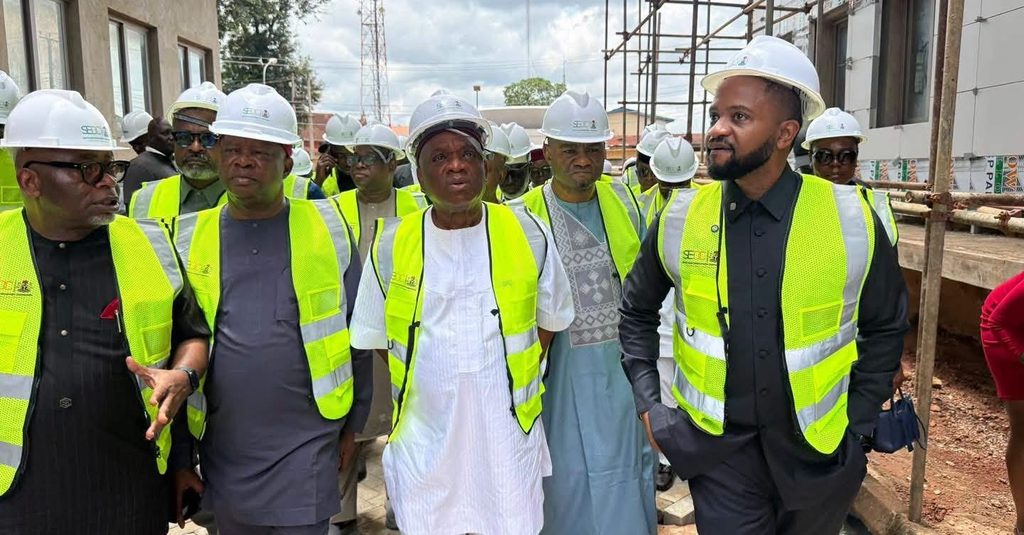
On Monday, October 12, 2026, Senator Orji Uzor Kalu led the Senate Committee on the South East Development Commission (SEDC) on an oversight visit to inspect the ongoing construction of the commission’s headquarters in Enugu. After the inspection, Senator Kalu who is the Chairman of the Committee, delightfully posted a terse message on his official Facebook account.

Quoting him: As the Chairman of the Senate Committee on the South East Development Committee (SEDC), I led members of the committee on an oversight visit to inspect the ongoing construction of the commission’s headquarters in Enugu, Enugu State.

“I am impressed with the level of work and progress recorded so far on the project. I commend the leadership of the commission for its commitment and efforts towards ensuring the successful execution of this important project.

“We will continue to provide necessary legislative oversight and support to ensure that the commission deliver’s on its mandate for the development of the South East geo-political zone.”

What makes this message posted by the Senator representing Abia North senatorial district remarkable? In June this year, the same Senate Committee led by Kalu announced a probe of alleged accountability issues in SEDC. Let me not go into the details because it may not be of much use any longer.

What matters today is that SEDC has been vindicated by no less a person than Senator Kalu himself. The confession of the former Abia State Governor on Facebook is significant for two reasons. One, it speaks volumes about the high level of accountability in the commission. Secondly, it is an indication that the management of the commission led by Mark Okoye (jnr.) has been very prudent in the utilisation of resources.

The commission did not award a new contract for the completion of its permanent headquarters donated by the Enugu State Government. Rather, it brought back the original contractor that handled the four-storey building to do an assessment of what it would cost to make the building ready for use.

Based on the assessment done by the contractor, the Management decided to fund the completion of the headquarters from federal government disbursements to the commission. As of the time of writing this article, the building is nearing completion. The management has been doing everything possible to conserve the resources of the commission.

Prior to now, SEDC had received series of endorsements for its planned, systematic, purpose-driven and result-oriented approach to regional development. Many stakeholders, including the South East Governors and the Federal Ministry of Regional Development, have commended the 25-year roadmap of the commission.

The strategic objectives of the roadmap include collaboration with state governments, private sector, development partners and development finance institutions, among others, to pursue transformative high-impact projects in different sectors for catalyzing regional development. The commission’s target is to achieve a $200 billion economy for the South East by 2035, leveraging on key sectors, such as agriculture, agro-business, infrastructure, energy, technology and creative economy.

The initiatives of the commission align with the priority areas of the Renewed Hope Agenda of President Bola Ahmed Tinubu, which includes strengthening national security, boosting agriculture, diversification of the economy through industrialisation and unlocking natural resources. The Minister of Regional Development, Abubakar Momoh has severally recommended SEDC’s coordinated approach, strategic planning and partnerships as the blueprint for transforming other geo-political zones in the country.

Beyond rhetoric, the efforts of the commission have started yielding tangible fruits across the South East region. On September 22, 2026, the commission took a giant stride towards restoring Eastern Nigeria’s agro-economy with the flag-off of a 200 hectare pilot integrated model farm at Nomeh Unateze in Nkanu East Local Government Area of Enugu State.

The agro-development programme aims at boosting agricultural productivity, strengthening food security and stimulating agro-industrialisation. The flag-off in Enugu State marks the roll out of the programme across the South East. This historic achievement is seen as a giant stride towards restoring the lost glory of Eastern Nigeria.

The project is part of the South East Agro-Development Programme (SEADP) of the SEDC. The agro-development programme is a major component of the 25-year roadmap of the commission to transform the South East through investments, public-private sector partnership and innovative financing.

The programme is the first regional, multi-state, commission-led integrated agro-development programme in Nigeria since the end of the Nigerian civil war in 1970. Until setback of the civil war, the Eastern Region under Okpara ranked among the fastest growing economies in the world. Okpara leveraged on the abundant agricultural potential of Eastern Region to accelerate economic growth in the region in the 1950s and early 60s. The defunct Eastern region covered the current states of South East and South South Nigeria.

Speaking at the flag-off of the pilot integrated farm at Nomeh Unateze, the Executive Director, Natural Resources, Agriculture and Rural Development (NRARD), Dr. Cliff Ogbede reiterated the commitment of the commission towards reviving the agro-industrial revolution that once placed the Eastern Region among the fastest growing economies in the world between 1954 and 1966. According to Ogbede, the facilitator of the programme, at the conception stage the commission retrieved Okpara’s blueprint from the archives, cleaned it up and brought experts to bring the document up to date, before projecting into the future.

Besides Agriculture, SEDC is also set to roll out community social impact programmes targeting rural communities in the South East. The commission has commenced sensitization and awareness campaigns across the South East for the social impact programmes, to identify areas where the intervention will have the greatest impact.

One of the campaigns took place at Ngbo, Ohaukwu Local Government of Ebonyi State recently. The participants included traditional rulers, town union executives, religious leaders and other stakeholders across the South East. The programmes are going to be rolled out under Renewed Hope Community Advancement Programme (REHCAP).

To conclude, the vindication of SEDC by the Senate Committee is a welcome development. The commission needs all the necessary political support it can muster, to achieve its mission of correcting decades of infrastructure decay, economic marginalisation and environmental degradation in the South-East region.

Nzomiwu, a public affairs analyst, writes from Enugu.

NAqF Closes Registration for ‘Swim 2 Future’ Ahead of September 12 Event

... Federation Appreciates Parents, Schools and Swimming Stakeholders for Strong Response

Alex Joseph

Abuja, Nigeria — September 9, 2026: The Nigeria Aquatics Federation (NAqF) has officially closed the registration window for participants for the second edition of its grassroots swimming initiative, “Swim 2 Future,” scheduled to hold on Saturday, September 12, 2026.

The Federation expressed its appreciation to parents, schools, swimming clubs, coaches and other stakeholders for the encouraging response to the registration exercise, which was open to children between the ages 5-14.

“Swim 2 Future” is designed to promote grassroots participation in swimming, identify promising young talents and provide them with the opportunity to develop their skills in a structured and competitive environment.

The 2026 edition will also be held in honour of the late President of the Federation, Dr. Chamberlain Nnamdi Dunkwu, in recognition of his contributions to the growth and development of aquatics in Nigeria and his commitment to youth and grassroots development.

Speaking on the closure of registration, NAqF President Lekan Fatodu commended parents, schools, clubs, coaches and other stakeholders for embracing the initiative and supporting the Federation’s grassroots development programme.

“We are grateful to every parent, school, club, coach and stakeholder who supported Swim to the Future. The response to this year’s registration demonstrates the growing interest in swimming and the enormous potential that exists among young Nigerians.”

Fatodu reiterated the Federation’s commitment to creating a sustainable pathway through which talented young swimmers can progress from grassroots participation to national and international competition.

“Our responsibility is not only to discover talents but also to create the right environment for them to grow. We want Swim to the Future to become a platform where the champions of tomorrow are identified, nurtured and given the opportunity to fulfil their potential.”

With registration now closed, preparations for the September 12 event have entered the final stage, with registered participants expected to join coaches, officials, schools, clubs and aquatics stakeholders for a celebration of swimming, youth development and talent discovery.

The Federation urged all registered participants and stakeholders to look forward to an exciting and memorable edition as NAqF continues its efforts to strengthen grassroots swimming and build the next generation of Nigeria aquatics stars.

Issued by:
Arinzechi Chukwunonso
Media & Communication Unit
Nigeria Aquatics Federation (NAqF)
Abuja, Nigeria

FRSC Launches National Movement to End Overloading, Promote Safer Roads

By Faith Marvella
The Federal Road Safety Corps (FRSC) has launched a National Movement for Safe Loading and Safe Roads as part of efforts to curb vehicle overloading and other unsafe transportation practices responsible for road crashes, infrastructure damage and economic losses.

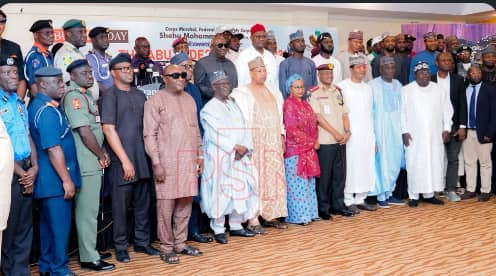
The Corps Marshal, Shehu Mohammed, mni, made the call on Thursday in Abuja at the National Breakfast Policy Dialogue and launch of the movement, themed, “Ending Overloading, Saving Lives: A National Commitment to Safer Roads and Responsible Transportation in Nigeria.”

Mohammed said overloading should no longer be treated merely as a traffic violation, stressing that it was a road safety, infrastructure, logistics and economic development issue.

He said excessive loads could compromise vehicle braking, steering and stability, accelerate vehicle deterioration, increase crash risks and contribute to the premature deterioration of roads.

The Corps Marshal also raised concerns over mixed and improper loading, noting that the danger extended beyond the weight of cargo to what was carried, how it was combined, positioned and secured.

He warned against the inappropriate combination of passengers and cargo, incompatible or dangerous materials, as well as poorly secured or unevenly distributed loads.

According to him, the pressure to maximize every journey in the haulage and logistics sector could encourage unsafe practices, but no reduction in transportation costs or commercial benefit was worth the loss of human life.

“A vehicle must carry only what it is designed, licensed and safely configured to carry,” he said.

Mohammed stressed that Nigeria’s economy depended heavily on the safe movement of agricultural produce, raw materials, manufactured goods, fuel and essential commodities, adding that a safe transportation system was a foundation for economic development rather than an impediment.

He said the consequences of overloading affected all sectors, as government bore the cost of road damage, operators incurred vehicle-related costs, while businesses and consumers suffered from delays in the movement of goods.

However, he noted that when overloading resulted in a fatal crash, the consequences were borne by families in ways that money could not replace.

The FRSC boss said the Corps would continue to enforce the law firmly, fairly and professionally, but acknowledged that enforcement alone could not end overloading.

He called for shared responsibility among cargo owners, shippers, loading agents, transporters, fleet operators, drivers, regulators and government.

Mohammed urged cargo owners and shippers to accurately declare weights and insist on safe loading, while operators should maintain their vehicles and comply with approved weight limits.

He also charged drivers to reject unsafe, improperly mixed or inadequately secured loads, and called on regulators to strengthen coordination, weighing infrastructure, axle-load management, data sharing and enforcement.

He said the FRSC would continue to strengthen public education, stakeholder engagement, intelligence-led operations and the use of technology and data to improve compliance.

Mohammed said the newly launched National Movement for Safe Loading and Safe Roads must transcend the FRSC and become a national initiative involving government, industry, transport operators, drivers, regulators, professional bodies, civil society, development partners and the media.

He disclosed that the dialogue would culminate in the adoption and signing of the Abuja Declaration 2026, which he said should contain clear responsibilities, measurable commitments, timelines and mechanisms for monitoring progress.

According to him, the success of the initiative should ultimately be measured by tangible improvements on Nigerian roads, including reductions in overloaded vehicles, proper declaration of cargo weights, elimination of mixed and incompatible loads, improved compliance and reductions in crashes and fatalities.

“We must not carry an avoidable death on our roads,” Mohammed said, urging stakeholders to make the movement a platform for sustained action.

Also speaking, the Director-General/Chief Executive Officer of Voice of Nigeria (VON), Mallam Jibrin Baba Ndace, MNIPR, commended the FRSC for initiating the national movement and praised Mohammed’s leadership of the Corps.

Ndace said road safety should not be regarded solely as an enforcement responsibility, but as a collective national duty requiring effective communication, public education, stakeholder collaboration and responsible behaviour by road users.

He described overloading as a serious road safety challenge with implications for lives, vehicles, infrastructure and the wider economy, calling for a coordinated response involving government, transport operators, regulators, the private sector, civil society, the media and the travelling public.

The VON Director-General also urged Nigerians to guard against overconfidence on the roads, noting that years of driving experience or familiarity with a particular route should make motorists more cautious rather than reckless.

He cautioned drivers and other road users against speeding, dangerous overtaking, sudden lane changes and impatience, stressing that arriving at a destination a few minutes earlier was never worth risking another person’s life.

Ndace advocated greater courtesy, patience and mutual respect among motorists, pedestrians, cyclists, motorcyclists and other road users.

He also called for a change in the way Nigerians respond to road crashes, urging members of the public to prioritize saving lives rather than gathering around accident scenes to take pictures or record videos.

According to him, citizens should assist victims where possible, alert appropriate authorities and create space for emergency responders.

“An accident victim is not an object of public curiosity. He or she is someone’s father, mother, brother, sister, child or friend,” he said.

Ndace said the national road safety campaign should therefore extend beyond warnings against overloading and traffic violations to educating Nigerians on appropriate responses to road crashes and promoting dignity and compassion for accident victims.

He further stressed the importance of public education in changing behaviour, saying institutions such as FRSC and VON could work together to communicate responsible road use to Nigerians and the international community.

Ndace urged stakeholders to support the National Movement for Safe Loading and Safe Roads and ensure that the commitments reached at the dialogue translated into measurable improvements on the nation’s roads.

Ohanaeze Dissociates Self From Abuja ‘Igbo Day’, Sets FCT Election Date on 0ctober 24

Alex Joseph

The Global Executive Council (GEC) of Ohanaeze Ndigbo Worldwide has dissociated itself from a planned “Igbo Day” event slated for September 29, 2026, at the Transcorp Hilton, Abuja.

The apex Igbo socio-cultural organisation described the proposed event as unauthorised and urged members of the public not to associate Ohanaeze Ndigbo with the programme.

The position was contained in a statement issued after a stakeholders’ meeting with members of the Abuja (FCT) Chapter.

According to the GEC, the organisation neither approved nor participated in the planning of the purported event.

“Ohanaeze Ndigbo Worldwide did not authorise, endorse, or have any hand in the so-called ‘Igbo Day’.

We urge the public to disregard it and refrain from associating with it,” the organisation stated.

Ohanaeze also raised concerns over alleged attempts by some individuals to use its name, logo and institutional identity for personal or political interests, particularly during the current political season.

It warned that the organisation would not tolerate any unauthorised use of its name or platform for activities that run contrary to its principles and values.

Meanwhile, the GEC has constituted an independent Electoral Committee to oversee a fresh election for the FCT Chapter as part of efforts to resolve internal differences and restore peace and unity within the chapter.

The national delegation from the organisation’s headquarters in Enugu was led by the Deputy President General, Prince Okey Nwadinobi, who conveyed the goodwill and directives of the President General, Senator Azuta Mbata.

The President General called on members to prioritise peace, unity and the collective interests of Ndigbo.

Nwadinobi said the Electoral Committee would ensure a credible, transparent, inclusive and peaceful election, without external interference.

The FCT Chapter election is scheduled to hold on Saturday, October 24, 2026, while the committee is expected to release the election guidelines within two weeks.

The committee comprises Chief Ejiofor Onyia as Chairman; Amb. Eddy Onuoha, Deputy Chairman; H.E. Emeka Sibeudu, Secretary; Prince Okey Nwadinobi, Dr. Ezechi Chukwu, Chief Charles Nkata, Esq., and Barr. Chizoba Iheka as members.
Each of the six recognised groups in the FCT Chapter is also expected to nominate a representative to the committee.

As part of the reconciliation process, representatives of the six groups signed a Memorandum of Understanding (MoU), committing themselves to the peace pact, the electoral process and the resolutions reached at the meeting.

Speaking for the Electoral Committee, Amb. Eddy Onuoha expressed appreciation to the national delegation for its intervention and pledged that the committee would conduct its assignment with diligence, fairness and impartiality.

Several Igbo leaders who attended the meeting commended the initiative and pledged their support for the peace and electoral process.

Among those present were Chief Ibe Nwosu (Igwe I), Prof. Charles Nwekeaku, Barr. Onwu O. Arua, Chief Andrew Ugwu, Odozi Nwodozi, Igwe Raymond Ugwuagbo, Henshaw Ogubike Esq., Mrs. Esther Ezeji and Chief Ifeanyi Nwaka, among others.

The statement was signed by Dr. Ezechi Chukwu, Global Publicity Secretary, Ohanaeze Ndigbo Worldwide.

FRSC Recovers Stolen Hyundai in Abuja, Hands Vehicle Over to Police

Faith Marvella


The Federal Road Safety Corps (FRSC) has recovered a stolen Hyundai vehicle in Abuja and handed it over to the Federal Capital Territory (FCT) Police Command for further investigation.

The vehicle, a red Hyundai with registration number YAB 789 AM, was recovered at about 2:00 a.m. on Tuesday, September 1, 2026, by a tow truck team of the RS7.1 FCT Sector Command at Wuye, along the expressway leading to Area 1.

According to the FRSC, the recovery followed the team’s operational activities in the area, during which a document found inside the vehicle provided a lead that enabled the owner to be traced and contacted.

Following the recovery, the Sector Commander, RS7.1 FCT Sector Command, Corps Commander Tijjani Iliyasu, activated the inter-agency process by inviting the FCT Police Command to take custody of the vehicle for further investigation.

The vehicle was subsequently handed over by DCC Sabitu Abdu, Deputy Corps Commander (Operations), to CSP Nimyel Ponfa, Divisional Police Officer (DPO), Wuse Division, who received it on behalf of the FCT Commissioner of Police.

Commenting on the development, FRSC Corps Marshal, Shehu Mohammed, said the recovery underscored the importance of technology, vigilance and inter-agency collaboration in protecting lives and property on Nigerian roads.

He said the Corps would continue to strengthen its vehicle identification and intelligence capabilities while maintaining close collaboration with the Nigeria Police Force and other security agencies.

Mohammed said the development was also consistent with efforts to reposition the FRSC as a technologically driven, responsive and security-conscious institution.

He highlighted the National Vehicle Identification Scheme (NVIS) as an important tool for vehicle verification and national security operations, noting that 81 stolen vehicles have so far been recovered through the NVIS Portal under the current administration.

The Corps Marshal stressed that the FRSC’s mandate to save lives on Nigerian roads was inseparable from the broader responsibility of ensuring that the road environment remained safe, secure and properly regulated.

He said the Corps would continue to deploy technology, field operations, intelligence and strategic partnerships to identify suspicious vehicles, support investigations and prevent the criminal exploitation of Nigeria’s road transportation system.

Mohammed commended the RS7.1 FCT Sector Command operational team for its vigilance and professionalism and appreciated the FCT Police Command for its continued cooperation.

He assured the public that inter-agency collaboration would remain central to the FRSC’s efforts to achieve safer roads, safer vehicles and a more secure Nigeria.

FRSC Promotes 7,472 Personnel, Tasks Newly Elected Officers on Greater Responsibility

By Faith Marvella


The Federal Road Safety Corps (FRSC) has approved the promotion of 7,472 personnel comprising 2,134 Officers and 5,338 Marshals in a move aimed at rewarding merit, strengthening professionalism and enhancing operational efficiency.

The Corps said the promotion was part of its human capital development strategy and recognized the dedication, competence, discipline and years of service of personnel who had distinguished themselves in the discharge of their duties.

It said the elevation was not merely a change in rank but a call to greater responsibility, higher standards and improved service delivery to the Nigerian motoring public.

In a statement signed by the Corps Public Education Officer, Mr Osondu Ohaeri, the FRSC directed Heads of Departments, Corps Officers, Heads of Special Units and Commanding Officers to decorate the newly promoted personnel under their respective commands.

The decoration exercise is scheduled to take place from Wednesday, August 26 to Friday, August 28, 2026, in line with the Administrative Instruction on the Decoration of Newly Promoted Officers and Marshals.

The Corps Marshal, Shehu Mohammed, mni, described the promotion as both a reward and a responsibility, urging the newly promoted personnel to demonstrate greater professionalism, accountability, leadership and commitment to service.

Mohammed congratulated the beneficiaries, stressing that every additional stripe, pip or insignia carried increased expectations from the Corps, the Federal Government and the Nigerian public.

He said the strength of the FRSC was not measured only by its patrol vehicles, technology or enforcement structures, but fundamentally by the quality, character and commitment of its personnel.

The Corps Marshal charged the newly promoted Officers and Marshals to justify the confidence reposed in them by maintaining discipline, treating members of the public with dignity, upholding the integrity of the Corps and remaining committed to safer roads.

He added that promotion within the FRSC must continue to serve as an instrument for building a professional, responsive and performance-driven institution capable of meeting the evolving demands of road safety management in Nigeria.

The promotion comes as the Corps intensifies its operational, technological and public enlightenment interventions aimed at reducing road traffic crashes and improving compliance with traffic regulations nationwide.

The FRSC said a motivated and professionally developed workforce remained central to sustaining these interventions and achieving measurable improvements in road safety outcomes.

The Corps congratulated all the promoted personnel and urged them to approach their new responsibilities with renewed purpose and a stronger commitment to national service.

Nigeria Must Return to Grassroots to Rebuild Women’s Football — Omidiran

State Correspondent

ABUJA, Aug. 21, 2026 — The Executive Chairman of the Federal Character Commission (FCC), Hon. Hulayat Motunrayo Omidiran, has called for a comprehensive rebuilding of women’s football in Nigeria, beginning with renewed investment in grassroots development.Omidiran made the call on Friday at the opening ceremony of the 2026 FCT FA Women’s Inter-Area Council Football Tournament at the Area 3 Sports Complex, Abuja, following Nigeria’s failure to qualify for the 2027 FIFA Women’s World Cup in Brazil.

The FCC chairman described the development as a wake-up call for football stakeholders to reassess the country’s women’s football development structure and return to the fundamentals of grassroots development.“This is the time for us to rebuild women’s football in Nigeria. We need to go back to the grassroots and invest properly in the development of our girls,” she said.

According to her, rebuilding the women’s game requires more than short-term interventions, but a coordinated development strategy capable of identifying talents early and providing them with quality coaching, facilities, competitions and clear pathways to professional football.

The former Nigeria Football Federation (NFF) Executive Committee member from 2002 to 2006 urged Nigerians to remain calm as football authorities and stakeholders consider measures to address the challenges facing the women’s game.“We need proper investment and a clear developmental strategy. We have to start from the grassroots, discover these girls early, nurture them and give them the right environment to grow,” Omidiran said.

She added: “We must use this moment to rebuild. We cannot continue to rely only on the successes of the past. We need to build a system that will continuously produce talents for our national teams and professional clubs.”Speaking on the FCT women’s tournament, Omidiran expressed delight at the participation of young girls in competitive grassroots football, describing such platforms as critical to the future development of the sport.

“I am deeply happy seeing these girls here today. This is exactly where the rebuilding has to start. When you see young girls playing football, developing their confidence and showcasing their talents, you know that the future can be better,” she said.

The two-time chairman of the NFF Women’s Football Committee commended Dr. Pat Ajuma Ayegba, an FCT FA board member and initiator of the Inter-Area Council competition, for her consistency and commitment to grassroots women’s football.Omidiran said Ayegba’s initiative was consistent with her own efforts to use sports to empower girls and young women through the Girls Play Sports Initiative, launched in 2024.“I want to commend Dr Pat Ayegba for her consistency, her investment and the positive impact she continues to make in the lives of these girls at the grassroots,” she said.

“You cannot develop women’s football without investing in the girl child. We need more people who are willing to put their resources, time and energy into creating opportunities for these young girls.”Omidiran recalled that the Girls Play Sports Initiative attracted 64 teams from different regions and zones of the country, with the final held in Abuja.The 2026 FCT FA Women’s Inter-Area Council Tournament will run from Aug. 21 to Sept. 5, featuring all six Area Councils of the Federal Capital Territory.AMAC, Bwari and Gwagwalada are in Group A, while Abaji, Kuje and Kwali constitute Group B.In the opening fixture, defending champions AMAC defeated Gwagwalada 7-0.

The FCC chairman said sustained grassroots competitions such as the FCT tournament would help create a pipeline of young talents capable of strengthening Nigeria’s national teams and professional women’s clubs.

Ademola Lawrence Spokesperson,Federal Character Commission (FCC), FCC Headquarters, Abuja.

Aug. 21, 2026

2027 Presidential campaign: Nigeria must move beyond rhetorics to candidates ready to serve —Ijebor

By David Odama

As 2027 elections commences with the lifting of presidential campaign on Wednesday , a Chieftain of the People’s Democratic party (PDP), Engr Anselm Ijebor, has urged Nigerians to be wary of politicians who have plunged the country into another definition of politics.

Engr Ijebor also advocated for intensified record tracking of those seeking elective positions, adding that the 2027 election especially that of the president should be judged by individual records and landmark achievements in other not to further plugged the country into another incredible hardship.

Speaking to Journalists in Abuja on Wednesday, while reacting to the lift on presidential campaign by the Independent National Electorial Commission, INEC, the (PDP)Frontline politician argued that as the nation is set to witness another definition of politics, Nigerians Must Interrogate Candidates

He, urged Nigerians to use the 2027 electioneering period to critically examine the policies, records and programmes of politicians especially the presidential candidates and their parties.

The astute politician said the campaign period should provide an opportunity for Nigerians to engage candidates directly and demand clear explanations on how they intend to address the country’s economic, security and geopolitical challenges.

According to him, voters should not be satisfied with candidates’s slogans, but should demand specific and measurable commitments that will translate into concrete terms policies and programmes of activities for the next four years.

“It is a very open opportunity for Nigerians to interrogate the various parties and their candidates.

“AS the 2027 Presidential election campaign kicks off in line with INEC Timetable, Civil Society Organisations (CSO) practitioners and rights activists, and other stakeholders in the electorial processes should ensure that campaign are issue-based rather than mudslinging.

He urged Nigerians to question candidates on what they had achieved previously while in public office and what they intended to do differently if elected.

Ijebor who warned Nigerians against voting candidates base on religion, political and ethnic sentiment observed that that country is faced with insecurity challenges, hardship and economic doldrum because 2023 elections which produces today’s leadership was anchored on propaganda that has stagnated the nation for close to four years.

” We should not make the same mistakes made in 2023 where candidates such as peter Obi with genuine intention, interest and vast experiences to salvage the nation were robbed of their good intention”, Ijebor stated.

“What Nigerians needed at this critical moment of our nationhood are leaders with genuine intention, who knows what to do, knows the country’s challenges and are a breasted with what is required to surve and not those without to show to Nigerians”.

“Peter Obi and Kwankwaso candidacy will salvage Nigerian and Nigerians from the unbearable hardship brought imposed on our people. Let us be wise and do the right thing as the country move into another elections in 2027”, declared.

He said, “As presidential campaigns begin ahead of Nigeria’s 2027 General Elections, political parties and candidates should move beyond personality-driven politics, ethnic and religious mobilisation, and broad campaign slogans.

“The central focus should be on how government will improve the lives of Nigerians, strengthen the economy, provide security, improve public services, and ensure that public resources are used transparently and efficiently.”

“Nigerians want to see how economic policies translate into affordable food, transportation, housing, healthcare and education.

“A presidential campaign should therefore present a clear economic recovery strategy focused on reducing inflation, strengthening domestic production, supporting agriculture and manufacturing, improving access to affordable finance, and reducing the cost of doing business.

“Economic reforms should be assessed not only by macroeconomic indicators but also by their effect on households.

“The campaign should answer a fundamental question: How will the average Nigerian become economically better off under the proposed government?”, he said.

End

FRSC Intensifies Crackdown on Dangerous Driving with Intelligence-Led Operations in Abia and FCT

By Faith Marvellal


The Federal Road Safety Corps (FRSC) has reaffirmed its commitment to eliminating hazardous traffic practices on Nigerian roads through intelligence-driven enforcement and Mobile Court interventions. Recent operations in Abia State and the Federal Capital Territory (FCT) have led to the prosecution of offenders and the seizure of a heavily overloaded vehicle transporting passengers and motorcycles under perilous conditions.

In Abia State, a Mobile Court presided over by His Worship, C. E. Nwankpa, sentenced Mr. Azubuike Dominic to one month imprisonment at Afara Correctional Centre. Dominic was apprehended for driving a Toyota Hiace commercial vehicle (registration number GWB 298 XY) without a valid driver’s licence. He further compounded his offense by attempting to escape custody while being escorted to court, fleeing with an FRSC Arresting Marshal. However, a coordinated pursuit involving FRSC personnel and the military led to his re-arrest several kilometers away. This incident highlights the Corps’ unwavering resolve to ensure that enforcement actions are not undermined by attempts to evade lawful arrest or judicial processes.

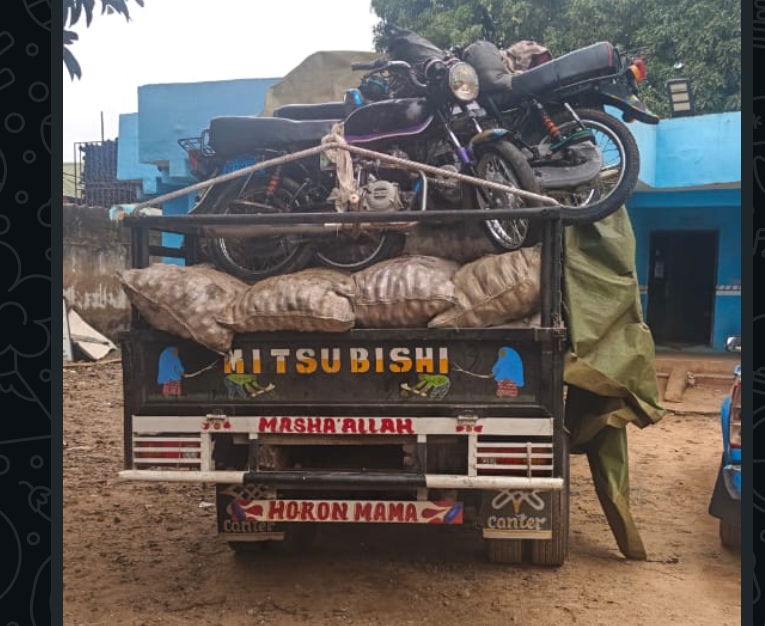
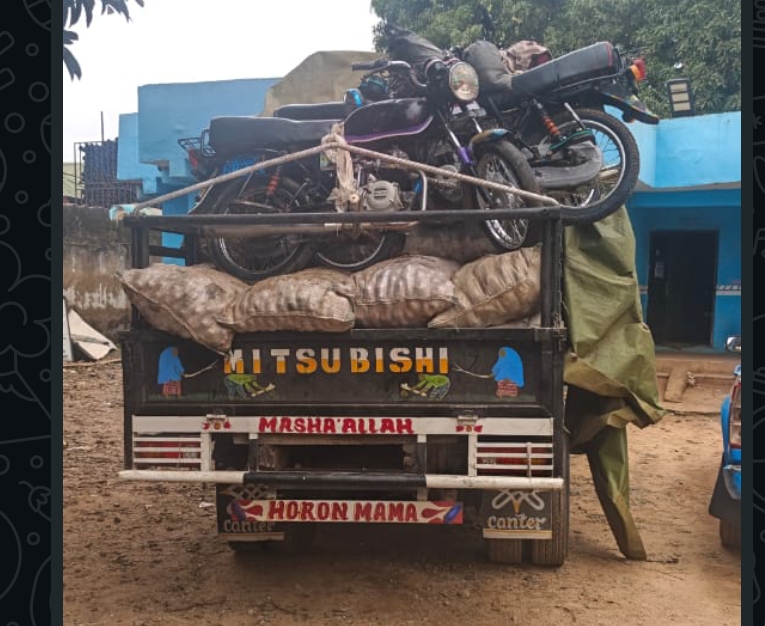
In a separate operation in Nyanya, FCT, FRSC officers intercepted a Mitsubishi Canter (registration number GDD 815 ZP) after a routine inspection raised suspicions. Underneath a sealed trampoline cover, officers discovered 15 persons and eight motorcycles dangerously concealed among goods, flagrantly violating road safety regulations and endangering lives. The driver, Mr. Umar Muhammadu, who attempted to bribe an FRSC Marshal with N500 and lacked a valid driver’s licence, was arrested. The vehicle and its occupants were handed over to the Divisional Police Officer, Mararaba, CSP M. Daniel, for further investigation and prosecution, following directives from the Sector Commander, RS7.1 FCT, CC Tijjani Iliyasu.

These enforcement actions underscore the FRSC’s shift from routine checks to intelligence-led, evidence-based, and technology-conscious road safety enforcement. The Corps Marshal, Shehu Mohammed, mni, has consistently urged personnel to maintain vigilance, professionalism, and uncompromising dedication in fulfilling their duties, while enhancing collaboration with other security agencies.

The FRSC has issued a stern warning to motorists, especially commercial vehicle operators, that attempts to evade enforcement, conceal passengers or motorcycles, overload vehicles, drive without valid licences, or bribe officials will attract strict legal sanctions. The Corps will continue to leverage intelligence, professional enforcement, Mobile Courts, and strategic inter-agency cooperation to safeguard road users and improve road safety nationwide.

On the road to a safer Nigeria, the FRSC emphasizes that there will be no refuge for reckless and dangerous driving.