
Alex Joseph

Environmental engineers have urged the Federal Capital Territory Administration (FCTA) to review Abuja’s drainage infrastructure, strengthen development control and implement long-term flood prevention measures to address recurring flooding across the territory.
The experts warned that unregulated construction, blocked waterways, inadequate drainage facilities and weak enforcement of urban planning regulations were worsening the capital’s flood risks, stressing that a proactive approach could significantly reduce the impact of heavy rainfall.
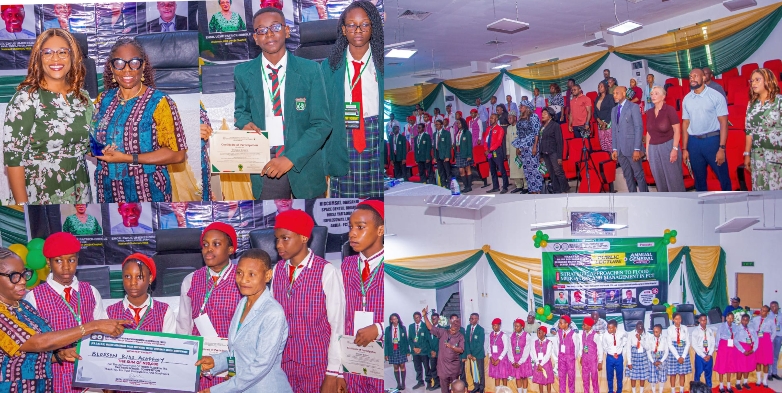
The call was made at the Conference and Annual General Meeting of the Nigerian Institution of Environmental Engineers (NIEE), Abuja Chapter, held along Airport Road, Lugbe, on Tuesday, October 20, 2026.
The conference, themed “Strategic Approaches to Flood Mitigation and Management in the FCT,” brought together engineering professionals and stakeholders to examine practical solutions to the territory’s persistent flooding challenges.
National Chairman of the NIEE, Engr. Caius Ikem Umekesiobi, called for a comprehensive audit of Abuja’s drainage master plan to determine whether existing infrastructure meets the demands of the city’s expanding population and changing environmental conditions.
He said comparing approved drainage designs with existing infrastructure would help authorities identify construction deficiencies, blocked channels, encroached waterways and other factors contributing to flooding.
Umekesiobi maintained that flooding should not be accepted as an inevitable consequence of rainfall, noting that poor waste disposal, construction on floodplains, inadequate drainage and uncontrolled urban expansion had increased the vulnerability of several communities.
He urged the FCTA to enforce restrictions on development along natural waterways and floodplains, while ensuring that drainage channels undergo regular maintenance before the rainy season.
“The question before us is not whether floods will come, but whether we will be prepared,” he said.
The NIEE chairman also advocated sustainable drainage solutions, including permeable pavements, retention ponds, constructed wetlands and rainwater harvesting systems, to complement conventional drainage infrastructure.
He recommended the application of geographic information systems (GIS), remote sensing, hydrological modelling and integrated early-warning systems to identify flood-prone areas and improve preparedness.
According to him, environmental engineers should be involved in urban planning and infrastructure development from the outset rather than being called upon only after disasters have occurred.
He stressed that investment in infrastructure must be matched by effective regulation, professional oversight and sanctions for violations of approved engineering and development standards.
Also speaking, the Deputy President of the Nigerian Society of Engineers, Engr. Valerie Ifueko Agberagba, called for a technical assessment of Abuja’s drainage network to establish the extent to which existing facilities conform to their original designs.
Agberagba explained that comparing approved engineering plans with the infrastructure on the ground would help determine whether drainage systems had been properly constructed, obstructed by subsequent developments or rendered inadequate by increasing urban demands.
She said the assessment would enable engineers to identify deviations from approved drainage routes, locate obstructions and recommend appropriate corrective measures.
Agberagba attributed some of Abuja’s flooding problems to rapid population growth, expanding construction activities and alleged disregard for the city’s master plan.
She urged the authorities to review building approvals and ensure that new developments do not interfere with designated drainage corridors.
Where existing drainage facilities can no longer accommodate stormwater effectively, she recommended redesigning and upgrading the infrastructure to meet present-day requirements.
Chairman of the NIEE Abuja Chapter, Engr. Uche Patrick-Obike, outlined a phased approach to flood mitigation, identifying drainage maintenance, stronger land-use enforcement and community-based early-warning systems as immediate priorities.
She proposed that drainage channels be desilted and stormwater infrastructure improved within the first three to six months of implementing a flood-mitigation action plan.
According to her, stricter enforcement of land-use regulations, particularly restrictions on construction along floodplains and natural waterways, should be pursued within six to 12 months.
Patrick-Obike also called for stronger collaboration among the FCTA, Federal Capital Development Authority (FCDA), Abuja Environmental Protection Board (AEPB) and Nigerian Meteorological Agency (NiMet).
She said effective communication of flood alerts to vulnerable communities was essential to ensuring that residents received timely information and could take appropriate precautions before dangerous conditions developed.
The chapter chairman emphasised that lasting solutions would require coordinated action among agencies responsible for urban planning, environmental protection, weather forecasting and emergency management.
Reflecting on her tenure, Patrick-Obike highlighted the chapter’s professional meetings, technical visits, stakeholder engagements and mentorship programmes designed to strengthen environmental engineering practice.
She disclosed that the chapter had engaged students from Government Secondary Schools in Kuje, Gosa and Lugbe to promote interest in environmental engineering and encourage young people to develop solutions to environmental challenges.
She also acknowledged the contributions of chapter members, partners and executive committee officials, urging the incoming leadership to sustain ongoing initiatives through teamwork, inclusive decision-making and continuity.
The conference featured the Valerie Agberagba Clean Renewable Energy Efficiency School Competition, which provided a platform for engaging young participants on engineering, sustainability and environmental responsibility.
Participants at the gathering stressed that addressing Abuja’s flooding challenges requires more than emergency responses during periods of heavy rainfall.
They called for evidence-based planning, functional drainage infrastructure, proper waste disposal, enforcement of building regulations and sustained public education to reduce flood risks across the territory.
The experts urged the FCTA to translate the recommendations into a practical implementation framework with clear responsibilities, timelines, monitoring mechanisms and regular maintenance schedules.
They maintained that consistent implementation of these measures would be critical to protecting lives and property, safeguarding infrastructure and building a more flood-resilient Federal Capital Territory.