İstanbul escort bayan Adana Escort bayan

Friday, November 20, 2026
Home Blog Page 2

RMAFC CHAIRMAN CHARGES DIRECTORS, HODs ON ACCOUNTABILITY, PERFORMANCE

Oru Leonard

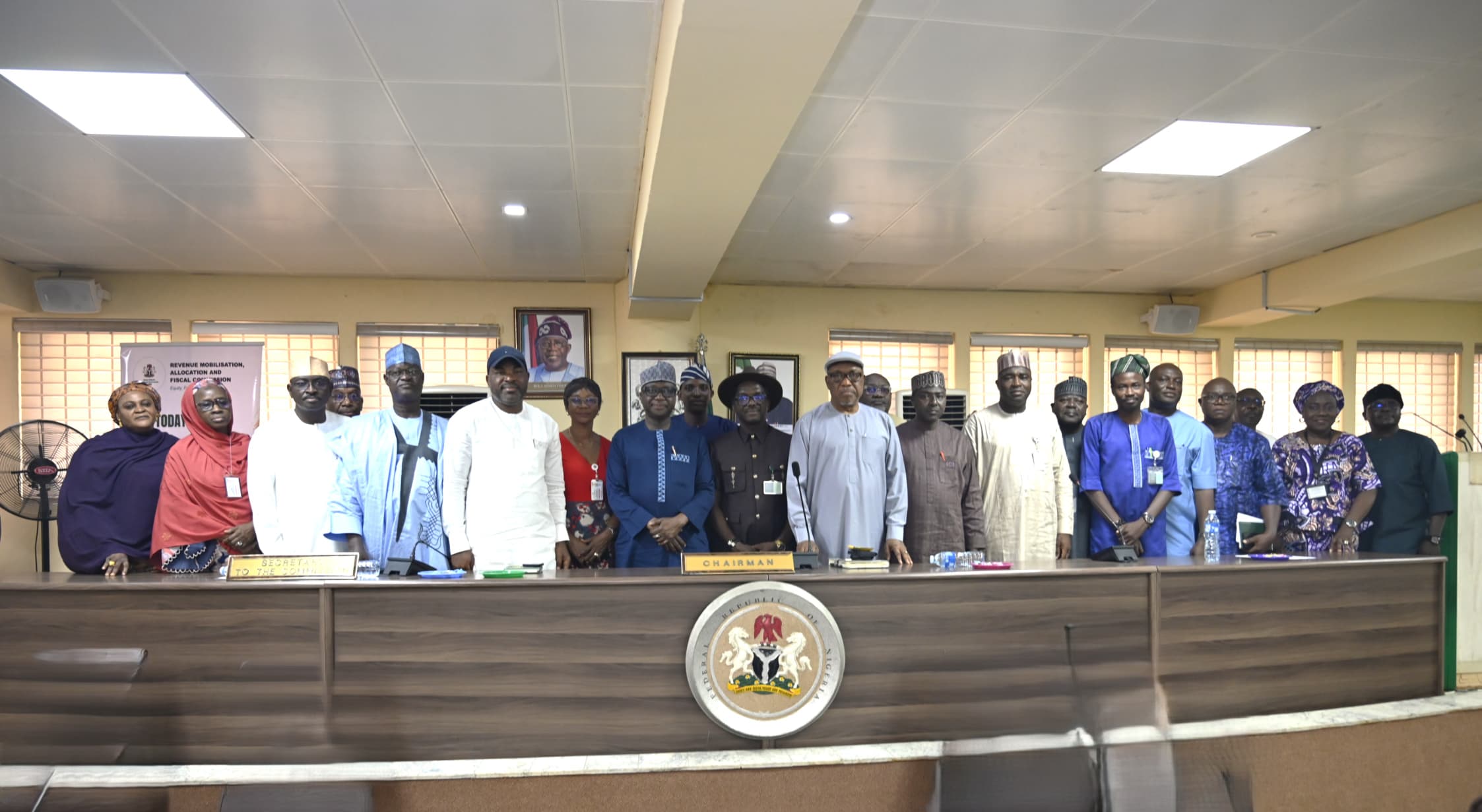
The Chairman of the Revenue Mobilisation, Allocation and Fiscal Commission (RMAFC), Dr. Mohammed Bello Shehu, OFR, has called on Directors and Heads of Departments (HODs) to embrace accountability, professionalism and improved productivity in driving the Commission’s Performance Management System (PMS).

Dr. Shehu made the call during the signing of performance contracts by Directors and HODs at the Commission’s headquarters in Abuja on Thursday, November 5, 2026.

He described the exercise as a significant commitment to institutional accountability and the achievement of measurable results, stressing that it went beyond the formal signing of documents to establish clear responsibilities and performance expectations.

According to him, the initiative aligns with President Bola Ahmed Tinubu’s Renewed Hope Agenda, which places emphasis on institutional efficiency, good governance and effective public service delivery.

The RMAFC Chairman explained that the Performance Management System was designed to move the Commission away from routine administrative practices towards a result-driven approach that evaluates individual and institutional performance against clearly established objectives.

He disclosed that the Commission had made considerable progress towards implementing the system through the development of a dedicated information technology platform, staff training, capacity building for PMS champions, management sensitisation and change management initiatives.

While clarifying that the system was not intended to punish officers, Dr. Shehu said it would promote fairness, empower employees, identify capacity gaps and ensure that responsibilities were clearly defined.

He urged Directors and HODs to establish realistic, measurable and time-bound departmental targets that reflect the Commission’s strategic priorities.

He also assured staff of management’s commitment to providing the necessary support and conducive working environment, urging them to make accountability, professionalism and quality service delivery central to their responsibilities.

Also speaking, the Chairman of the Personnel Matters Committee (PMC) and Federal Commissioner representing Cross River State, Ntufam Eyo-Nsa Whitley, described the workforce as the foundation of the Commission’s success.

He urged staff to demonstrate discipline, diligence, emotional intelligence and commitment, while encouraging them to take ownership of the performance management process.

Whitley further called for stronger teamwork and mutual support among officers, warning against conduct capable of frustrating institutional reforms and organisational development.

He particularly challenged PMS champions to provide the necessary guidance and demonstrate dedication to ensuring the successful implementation of the system.

In his welcome address, the Secretary to the Commission, Comrade Tosin Adeyanju, described the performance contract signing as a landmark development in the Commission’s administrative transformation.

He said the exercise represented a transition from policy intentions to practical implementation and from conventional performance evaluation to a modern, data-driven management framework.

Adeyanju commended the leadership of the Chairman and Commissioners for supporting the initiative, while recognising the important role of Directors and HODs in driving the reform process.

He urged management staff to take full responsibility for their performance agreements through consistent engagement, monitoring and feedback, noting that the real success of the system would be measured by improvements in productivity, efficiency and institutional performance.

Earlier, the Director overseeing the Administration and Human Resource Department, Alhaji Ahmed Rufai Gidado, said the Commission had undertaken several preparatory activities towards implementing the PMS.

He explained that the signing of performance contracts marked a major transition from the preparatory stage to the actual implementation of the system.

Delivering a lecture titled The Role of Performance Management in Public Sector Transformation, the Head of Economy Team Performance Management at the Office of the Head of the Civil Service of the Federation (OHCSF), Mr. Nwachukwu John, commended RMAFC for the progress made in adopting the PMS framework.

He said the initiative demonstrated the Commission’s readiness to embrace public service reforms by linking individual responsibilities with institutional goals and national development priorities.

John explained that the system was designed to ensure that individual officers’ responsibilities were connected to departmental targets, the Commission’s strategic plan and the Federal Government’s priorities.

He encouraged Directors and HODs to extend the performance contract process to other categories of staff through regular engagement and feedback, emphasising that the PMS was fundamentally a productivity-enhancement mechanism and not a promotion exercise.

Similarly, the PMS Consultant with Reliefline Nigeria Limited, Mr. Ohiro Emmanuel, in a presentation titled Overview of the PMS Implementation Journey, identified the signing of performance contracts by Directors as a major milestone in the Commission’s reform process.

He outlined the activities already undertaken, including staff training, development of a dedicated IT platform and the training of performance management champions.

According to him, the next phase would involve extending performance agreements across departments, with Directors engaging Deputy Directors and Assistant Directors, who would subsequently ensure that other officers’ individual responsibilities aligned with departmental objectives.

He urged the Commission to sustain the implementation momentum to achieve comprehensive adoption of the system.

In his closing remarks, the Director of Reliefline Nigeria Limited, Mr. Francis Ikuyinminu, appreciated RMAFC’s leadership for its commitment and cooperation in developing the performance management framework.

He also acknowledged the contributions of the Office of the Head of the Civil Service of the Federation and other stakeholders, reaffirming his company’s readiness to provide technical advisory services, capacity development and change management support for the successful implementation of the initiative.

Ikuyinminu called on all stakeholders to sustain their collaboration and commitment towards building a culture of excellence, accountability and improved service delivery in the Commission.
WAPP NORTH CORE POWER PROJECT HITS 75% COMPLETION, PARTNERS SEEK FASTER DELIVERY

joseph Konye

The West African Power Pool (WAPP) North Core 330kV Interconnection Project, designed to link Benin, Burkina Faso, Niger, Nigeria and Togo, has achieved more than 75 per cent completion, as participating countries and development partners intensify efforts to address implementation challenges and ensure its timely delivery.

The development was disclosed at the opening of the 8th Joint Supervision Mission of the project’s financing partners, held in Abuja from October 26 to November 6, 2026.

The mission provided an opportunity for participating countries, project officials and development partners to assess implementation progress, identify outstanding challenges and agree on strategies to accelerate the completion of the regional electricity infrastructure.

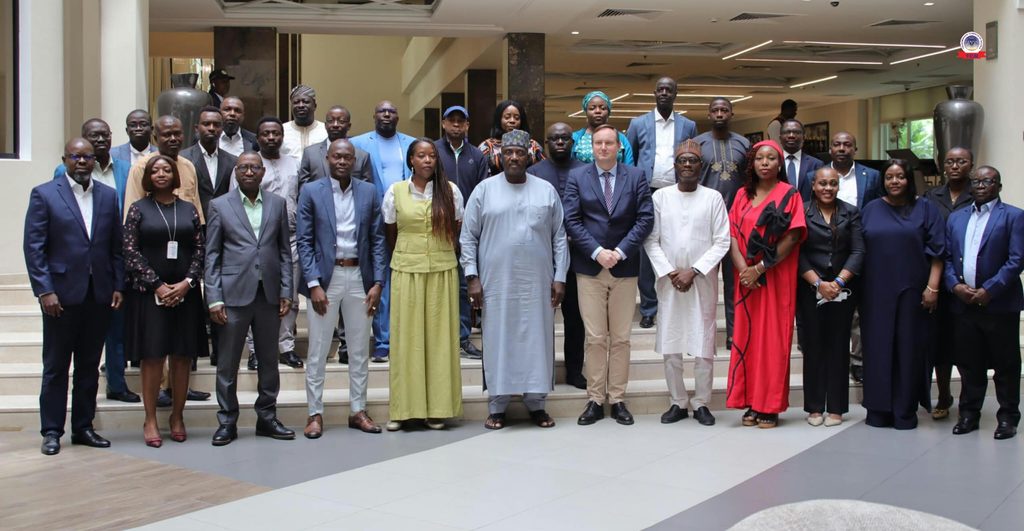
Speaking on behalf of the Chairman of the WAPP Executive Board and Managing Director/Chief Executive Officer of the Transmission Company of Nigeria (TCN), Engr. Sule Ahmed Abdulaziz, the General Manager, Programme Coordination, TCN, Engr. Aminu Tahir, called for stronger collaboration, prompt decision-making and sustained commitment among stakeholders.

Tahir said the progress recorded so far reflected the collective efforts of engineers, technicians, project personnel, participating governments and development partners.

He emphasised that attention must now focus on completing outstanding construction activities and ensuring that the investment delivers reliable electricity infrastructure capable of strengthening regional power exchanges and improving electricity supply across participating countries.

Also speaking, the WAPP Secretary General, Mr Abdoulaye Dia, represented by the Director of Planning, Investment Programming and Environmental Safeguards, Mr Kodjo Afidegnon, described the project as a critical component of West Africa’s regional electricity integration agenda.

He explained that the initiative, launched in 2019, was conceived to improve electricity supply security, promote cross-border power exchanges and support the development of an integrated regional electricity market.

Dia, however, identified insecurity along some sections of the project corridor, flooding, the COVID-19 pandemic, supply chain disruptions, political challenges and border closures as major factors responsible for implementation delays, increased costs and temporary suspension of construction activities in certain locations.

Despite these setbacks, he said sustained cooperation among participating countries, national electricity utilities and financing partners had enabled the project to record considerable progress.

Providing updates on implementation across the countries, he disclosed that the Malanville substation in Benin had received provisional acceptance, while construction work on the Niger River crossing was ongoing.

In Burkina Faso, the Ouaga Est and Ouaga Sud-Est substations, alongside 33 kilometres of 225kV transmission lines connecting them to the national network, have been commissioned.

Similarly, equipment installed at Niamey II and Gazaoua in Niger has been operational since July, helping to stabilise the two existing 132kV transmission interconnection lines supplying electricity to the country from Nigeria.

In Nigeria, construction work is continuing on the 330kV transmission line, alongside preparations for its eventual integration into the national grid in collaboration with relevant stakeholders.

The project has also recorded progress in its environmental and social development components, with compensation paid to 5,726 project-affected persons and almost all reported grievances resolved.

Additionally, the initiative has facilitated electricity connections to 170 communities in Burkina Faso and Niger and generated 2,483 jobs along the project corridor.

A representative of the African Development Bank (AfDB) stressed the importance of making the supervision mission results-oriented, with particular attention to resolving security concerns, improving contractor performance and protecting the overall project completion timeline.

The representative cautioned that efforts to accelerate implementation must not undermine environmental and social safeguards, occupational health and safety standards, or the protection of workers and host communities.

The AfDB representative further warned that delays in any of the participating countries could jeopardise the expected benefits of the regional interconnection, noting that the completion of critical infrastructure in Niger remained particularly important to achieving the project’s full objectives.

The bank reaffirmed its commitment to supporting WAPP, participating governments and national electricity utilities in overcoming outstanding challenges and bringing the project to completion.

When completed, the WAPP North Core Project is expected to significantly strengthen electricity interconnection across West Africa, expand cross-border power trading, improve regional energy security and deepen economic cooperation among participating countries.

The meeting attracted representatives of the African Development Bank, the World Bank, the WAPP North Core Project Management Unit, Ministries of Energy and Finance from the participating countries, as well as national electricity utilities from Benin, Burkina Faso, Niger, Nigeria and Togo.

TCN ON MAINTENANCE AT OKPELLA TRANSMISSION SUBSTATION

Alex Joseph

The Transmission Company of Nigeria (TCN) has announced a scheduled maintenance exercise at its Okpella 132/33kV Transmission Substation in Edo State, which will temporarily disrupt electricity supply to some areas.

According to TCN, its maintenance team will undertake servicing of the T2 60MVA, 132/33kV transformer and associated switchgear on Thursday, November 5, 2026.

The exercise is scheduled to take place between 11:00am and 4:00pm.

TCN explained that the maintenance work would prevent the Abuja Electricity Distribution Company (AEDC) from receiving electricity for distribution to customers in Okpella Town, the Cement Factory and surrounding communities throughout the period.

The company apologised to electricity consumers in the affected areas for the inconvenience the temporary interruption might cause.

The notice was signed by TCN Management on November 5, 2026.

TCN BENIN SUB-REGION TAKES DELIVERY OF CRITICAL TRANSMISSION EQUIPMENT

Oru Leonard

The Benin Sub-Region of the Transmission Company of Nigeria (TCN) has received a consignment of essential equipment spares and maintenance materials to enhance the efficiency and reliability of electricity transmission operations.

The equipment, delivered by TCN’s Project Monitoring Unit (PMU), Abuja, arrived on Monday, November 2, 2026.

The consignment includes 330kV and 132kV tripping coils, rapid pressure relays, current transformer (CT) ratio clamps, gantry structures and porcelain insulators.

The materials have been successfully offloaded and stored at the sub-region’s warehouse, where they are being kept for immediate deployment whenever the need arises.

According to TCN Management, the delivery will significantly boost the region’s capacity to undertake routine and emergency maintenance operations, minimise equipment downtime and improve the overall reliability of the transmission network.

The availability of these critical spares is also expected to facilitate faster response to technical challenges and ensure more efficient bulk electricity transmission to distribution company load centres within the Benin Sub-Region.

The intervention forms part of TCN’s ongoing efforts to strengthen its operational capacity, improve network performance and support reliable electricity supply across the country.

Management
Transmission Company of Nigeria
November 4, 2026

Kogi Explores Tourism, Agriculture, Investment Opportunities with Bangladesh

Alex Joseph

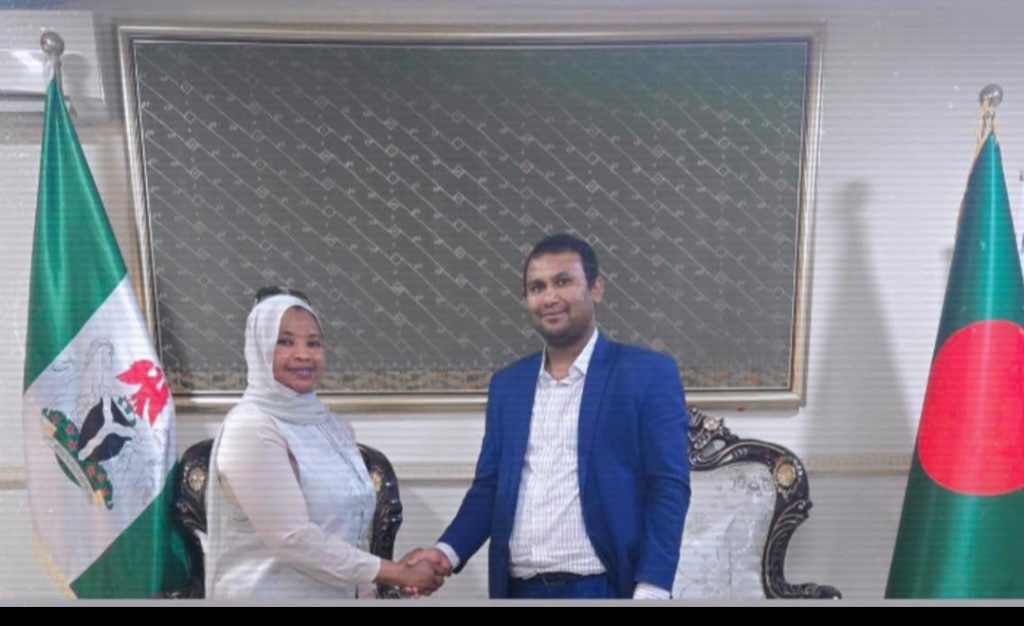
The Chairman of the Kogi State Hotels and Tourism Board, Hajia Bilkisu Abdulsalam Ogueyi, has held discussions with the Bangladesh High Commission in Abuja on opportunities to strengthen bilateral relations and promote strategic partnerships between Nigeria and Bangladesh, with particular emphasis on Kogi State.

Ogueyi disclosed this following a meeting with the Head of Chancery of the Bangladesh High Commission, Mr. Shishir Kumar Sahu, at the Commission’s office in Abuja.

The meeting focused on look areas of mutual cooperation, including culture, tourism, agro-tourism, agriculture, trade, investment and sustainable development.

The discussions also examined opportunities for knowledge exchange, institutional collaboration and strategic partnerships that could generate economic and social benefits for both countries.

Ogueyi expressed optimism that stronger diplomatic and institutional relationships between Nigeria and Bangladesh would create opportunities for investment, promote cultural exchange and advance shared prosperity.

She particularly highlighted the prospects of leveraging the engagement to open new opportunities for Kogi State in tourism development, cultural exchange, agro-tourism and investment.

According to her, the state is committed to building international partnerships that will enhance its visibility and position it as an attractive destination for tourism, business and sustainable development.

She reaffirmed her commitment to strengthening international relationships and exploring practical areas of cooperation that would translate diplomatic engagements into tangible development opportunities for Kogi State.

The engagement is expected to provide a platform for further discussions on Nigeria-Bangladesh cooperation, particularly in sectors where both countries have complementary interests and development opportunities.

INEC, Stakeholders Seek United Front Against AI-Driven Misinformation Ahead of 2027 Elections

Mfreke-Abasi Odong

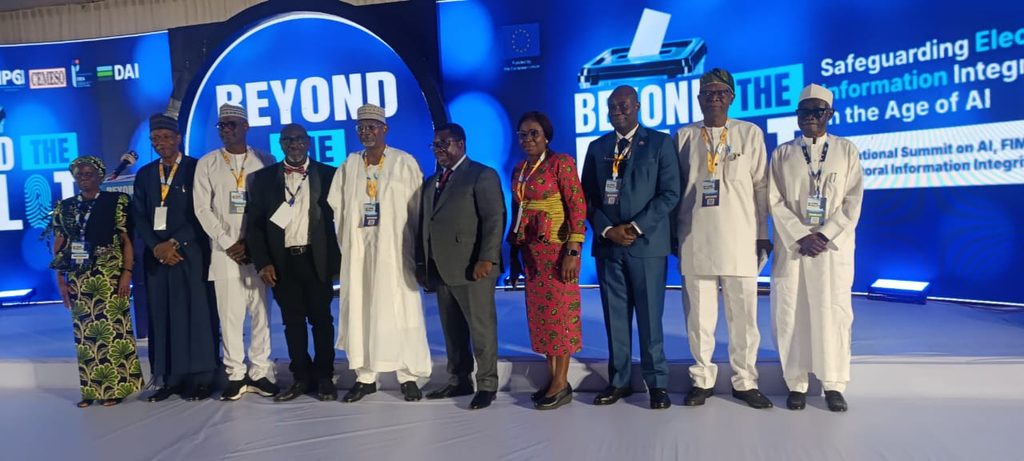
The Independent National Electoral Commission (INEC) and key stakeholders have called for a coordinated national response to combat artificial intelligence-driven misinformation, disinformation and foreign information manipulation ahead of Nigeria’s 2027 general elections.

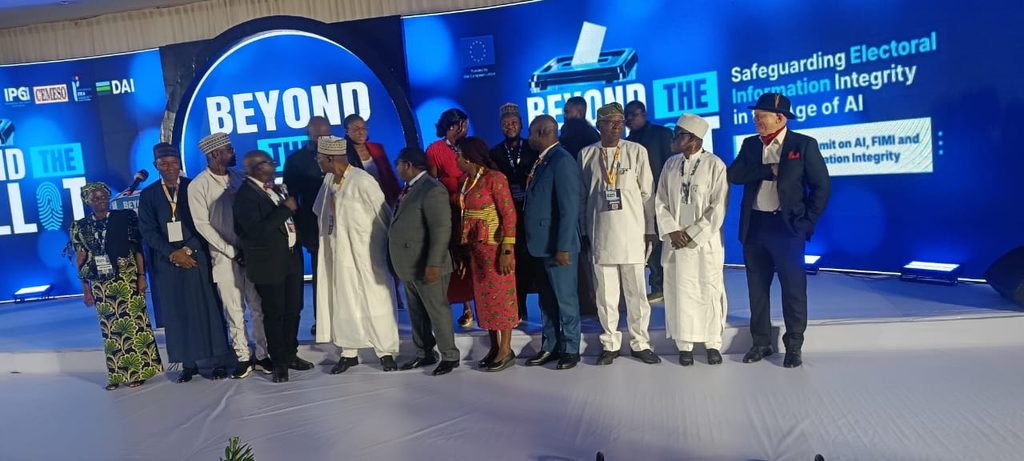
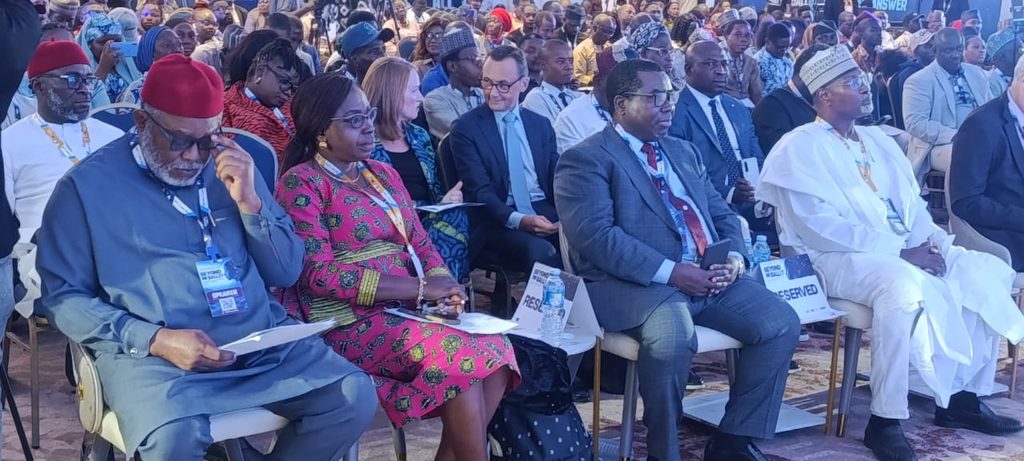
The call was made at the opening of the National Summit on Electoral Information Integrity in Abuja on Monday, November 2, 2026, with the theme, “Beyond the Ballot: AI, FIMI and the Integrity of Nigeria’s 2027 Elections.”

INEC Chairman, Prof. Joash O. Amupitan, SAN, said emerging digital threats had expanded the scope of electoral interference beyond physical manipulation at polling units to sophisticated online activities capable of undermining public confidence in the electoral process.

He identified deepfakes, cloned voices, fabricated announcements and coordinated disinformation campaigns as some of the emerging threats associated with the misuse of artificial intelligence.

Amupitan stressed that addressing the challenge required collaboration among government institutions, security agencies, media organisations, technology companies and civil society groups.

“INEC cannot police the truth alone,” he declared, insisting that the Commission needed a united front to safeguard the country’s electoral information environment.

He disclosed that INEC was strengthening its technological and communication capacity to identify manipulated content, verify suspicious information and provide timely clarifications across traditional and digital media platforms.

The INEC chairman also advocated institutionalised fact-checking channels, inter-agency response mechanisms and simulation exercises to prepare stakeholders for possible information crises during the elections.

However, he cautioned that efforts to tackle misinformation must not undermine freedom of expression, press freedom or legitimate political dissent.

Former INEC Chairman and Chairman of the occasion, Prof. Attahiru Jega, described artificial intelligence as a powerful tool capable of improving governance and administrative efficiency but warned that its deployment in the electoral environment required careful management.

Similarly, the European Union Ambassador to Nigeria and ECOWAS, Gautier Mignot, warned that electoral processes could be compromised without physical alteration of ballot papers, noting that fabricated announcements and false election results could mislead voters and erode public trust.

He reaffirmed the European Union’s commitment to supporting initiatives that promote information integrity, media resilience and responsible digital engagement.

Representing the Minister of Information, the Executive Secretary of the Nigerian Press Council, Dr. Dili Ezughah, maintained that electoral integrity extended beyond voting, counting and declaration of results to include the quality and credibility of information available to citizens throughout the electoral process.

He noted that Nigeria’s National Artificial Intelligence Strategy, published in 2024, provides a framework for responsible, inclusive and accountable deployment of AI technologies.

The Executive Director of the International Press Centre (IPC), Mr. Lanre Arogundade, who spoke on behalf of IPC, the Centre for Media and Society (CEMESO), IDEA and DAI, said the battle for citizens’ trust was already unfolding across digital platforms ahead of the 2027 elections.

Arogundade called for stronger partnerships among the media, election management bodies and civil society organisations to identify, verify and counter false electoral narratives.

The summit was organised by IPC and CEMESO with support from the European Union under its Support to Democratic Governance in Nigeria programme and DAI.

It is expected to generate practical commitments and strategies for strengthening Nigeria’s electoral information environment against emerging digital threats.

Papers presented at the summit included “Safeguarding Electoral Information Integrity in the Age of AI: A Call for Preparedness, Partnership and Democratic Resistance,” by Prof. Abigail Ogwezzy-Ndisika.

Another presentation, titled “Nigeria 2027: Mapping the Electoral Information Environment: An Overview of AI-Generated Content, FIMI, False Electoral Information, Hate Speech and Coordinated Manipulation,” was delivered by Dr. Monday Ashibogwu and Prof. Lambe Mustapha.

A panel session, “Voters, Voices and Algorithms: Who Is Most Exposed?” featured Mr. Dayo Oketola, Chief Press Secretary to the INEC Chairman; Mr. Ade Atobatele, Founder of Bootstrap Africa; and Dr. Toyosi Akerele-Ogunsiji, Founder of Rise Network. The discussion was moderated by Maupe Ogun-Yusuf.

BEYOND THE BALLOT: CONCERNS BY INEC AND EU OVER AI MISINFORMATION AHEAD OF JANUARY 5, 2027 GENERAL ELECTION

Mfreke-Abasi Odong

​The Independent National Electoral Commission (INEC) and the European Union (EU) have expressed deep concern over the negative influence that Artificial Intelligence (AI) could pose during the forthcoming January 5, 2027 general election. Their primary fear is that AI may disrupt public trust and threaten electoral credibility.
​This threat could manifest in various ways, including:
​AI-fabricated photographs (such as deepfakes placing a certain individual’s head on another person’s body, representing a more minimal level of AI use).
​The manipulation of election results.
​Misinformation spread to the public masses.
​Fake audio records and AI-generated videos.

​These critical discussions took center stage at the “Beyond the Ballot: Safeguarding Electoral Information Integrity in the Age of AI” National Summit on AI, Foreign Information Manipulation, and Electoral Information Integrity, which welcomed participants in Nigeria.

​Key Highlights from the Summit

  • INEC Leadership Warning: INEC Chairman, Prof. Joash Amupitan, stated that fake AI-generated content could influence every stage of election preparation—from voter’s registration down to the final announcement of election results.
    ​Perspectives on Chatbots.
  • INEC Immediate Past Chairman, Prof. Attahiru Jega, commented on the power of AI chatbots that could contain unverified electoral contents.
  • EU’s Stance: EU Ambassador Guiter Mignot highlighted how possible election results could be manipulated without the need to alter physical ballots.

​The event which was a two days summit took place on Monday 2nd November, 2026 at the Abuja Continental Hotel and well attended by; The International Press Center, Center For Media Aim Society, International Idea, BAI as well as the entire European Union who supports democratic governance in Nigeria received a warmly welcome to “Beyond the Ballot”.

Key Takeaway:
“Before you share, believe and amplify, make sure you verify”.

Campaign Charges: PDP Chieftain, Engr Anselm Ijebor Condemns governors, questions rational behind actions

David Odama

2027 campaign charges: An ally of the presidential candidate of the People’s Democratic Congress (NDC), Engr Anselm Ijebor on Friday, criticized governors for subjecting candidates to paying for campaigns in their control states.

Engr. Ejebor, while fielding questions from Journalists Saturday in Abuja, demanded the rationale behind the candidates being charged for holding campaigns or hosting billboards in their states.

The PDP Chieftain argued that the rising cost of political campaigning is raising serious concerns, stating that the obvious actions of the governors was a deliberate measures aimed at clipping the wings of the opposition in their states ahead of the 2027 general elections.

Ejebor who condemned the actions of the governors in strong terms, wondered why in Abia, presidential candidates are to pay N200 million for campaign billboards, while governorship candidates is expected to cough out a woven sum of N150 million.

According to the NDC ally, the situation in Anambra and Enugu states, are not different as presidential candidates are to pay N50 million, and N150 million fee for campaign materials, billboards and branded campaign vehicles, adding that the action of the governors was a clear demonstration of suppression of the opposition parties and their candidates.

“The action of the governors is not only undemocratic, unacceptable but condemnable in a democratic nation like Nigeria”.

“Are these fees legitimate regulation of political advertising, or are they becoming financial barriers that could undermine competition ahead of 2027?”, Anselm Ijebor questioned.

“The state governments charging presidential candidates tens and even hundreds of millions of naira for the right to display posters and billboards is not only raising fears that visibility is being priced beyond the reach of opposition parties less than three months to the January 16, 2027 election”, the PDP Chieftain stated.

While calling on Nigerians to remain resolute in their resolve for a change, the NDC ally who has been the supporter of Peter Obi since 2023, appealed for a total support for Obi/Kwankwaso ahead of the presidential election in 2027.

He further urged the people to continue to demonstrate their unity, cohesion, resilience and the spirit of team work for the realization of Peter Obi’s presidential ambition designed to salvage the country from the self affiliated hardship, poverty and hunger.

“Nigerians have suffered enough in a country with abundance resources. the time has come us to decide the fate of this country”,Engr Ijebor declared.

End

Youth Olympics: NOC president Gumel assures Nigeria’s contingent of support

Alex Konye

The President of the Nigeria Olympic Committee (NOC), Engineer Habu Gumel, has assured Nigeria’s contingent to the Youth Olympic Games in Dakar, Senegal, of the country’s support.

Gumel gave the assurance while receiving the handover of the Nigerian contingent ahead of the Games in Abuja on Tuesday, October 27.

He expressed confidence in the athletes selected by the National Sports Commission (NSC) adding that the nation would build on its previous performances at the Youth Olympic Games.

The NOC president commended the NSC chairman and director general for their efforts in preparing the athletes, particularly in training, welfare and kitting.

Gumel said: “Nigeria has been participating in the Youth Olympic Games since the beginning in Singapore, and we have been doing very well. I believe this time around we are going to do well.

“I want to thank the Chairman and the Director General of the National Sports Commission for what they have done in training, welfare and kitting the athletes. I am so happy with this, and I am sure that by the time they arrive in Dakar, everybody will look at them well.”

He also assured the NSC leadership that the NOC would work with the commission to support the athletes and help them perform to the best of their abilities.

Gumel urged the athletes to avoid doping and other misconduct, stressing that Nigeria would be proud to return home with a clean contingent.

He further advised the athletes not to allow anyone to persuade them to engage in activities that could compromise their integrity or bring the country into disrepute.

He said: “I want to assure you that we will take a clean contingent to Dakar and bring back a clean contingent to Nigeria again.

“The total number of the contingent that they have given us is the total number that will return to Nigeria. Nobody will disappear.

“Remain clean, behave well and make Nigeria proud. It is very, very important. The National Sports Commission and the Nigerian Olympic Committee are there to assist you in any area you need our support.”

The NOC president also welcomed the NSC’s announcement of cash rewards for athletes who win medals at the Games, describing the initiative as an important source of encouragement.

He encouraged the young athletes to see their participation in Dakar as a stepping stone towards future Olympic appearances, noting that they could become members of the Olympian Association.

Gumel said: “By the time you return to Nigeria, consider yourselves already Olympians. You will call yourselves Olympians and join the Olympian Association. Participation is key and very important. You are going to be the future Olympians of this country.”

He expressed optimism that Nigeria would make a strong impression at the opening ceremony, scheduled for October 31, particularly through the contingent’s outfit and march past.

He praised the kitting provided for the athletes and wished them success at the Games, assuring them that the NOC would work with the NSC to ensure their welfare and participation.

FG Commissions Kano Substations: Walalambe, Kumbotso, Others to Boost Capacity by 544 MW

Alex Joseph

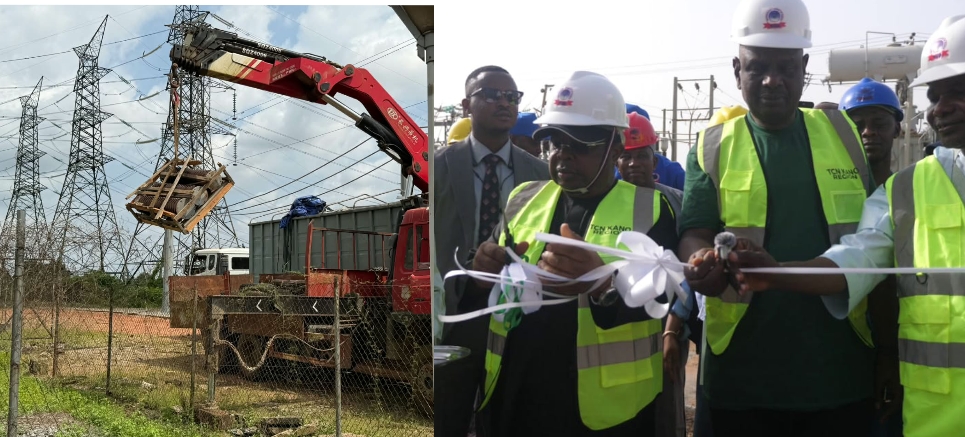
The Federal Government, in conjunction with the Kano State Government, has commissioned transmission infrastructure at the Walalambe, Kumbotso, Dan Agudi and Dakata substations in Kano State, increasing electricity wheeling capacity and strengthening power supply to industrial, commercial and residential areas.

The projects, commissioned on Thursday by the Minister of Power, Mr Joseph Tegbe, include a 2 x 40 MVA, 132/33 kV transformer installation at Walalambe and upgraded transformers at Kumbotso, comprising a 300 MVA, 330/132/33 kV transformer and a 100 MVA, 132/33 kV transformer.

The commissioning formed part of the Federal Government’s efforts, in partnership with the Kano State Government and the Transmission Company of Nigeria (TCN), to expand transmission capacity, improve network reliability and accommodate growing electricity demand.

Speaking at the ceremonies, Tegbe said the investments would strengthen electricity supply to businesses, industries and households while supporting economic growth and employment generation.

He said the projects were designed to relieve pressure on existing transmission facilities, provide additional supply points and improve the flexibility of the distribution network.

Walalambe

At Walalambe, the minister said the new 2 x 40 MVA, 132/33 kV transmission installation would improve electricity supply to Tokarawa Industrial Area, the Eastern Bypass, Maiduguri Road, Hadejia Road and adjoining communities.

According to him, the facility would also provide alternative supply arrangements for the Mariri, Jogana, Farm Centre and Zaria Road 33/11 kV injection substations, giving operators more options to manage supply and respond to operational constraints.

Tegbe said the project was particularly significant because it included a dedicated 33 kV feeder to Lee Group of Companies, an industrial enterprise that had operated off-grid for more than 30 years.

He said the development demonstrated the economic importance of transmission investments, noting that reliable electricity was essential for productive businesses to sustain operations, expand and create jobs.

Kumbotso

At Kumbotso, the minister said the installation of the new transformers would significantly increase the substation’s capacity to meet rising electricity demand across Kano metropolis and neighbouring communities.

He explained that, before the upgrade, Kumbotso had an installed transformation capacity of 600 MVA at the 330/132 kV level, comprising four 150 MVA transformers. At the 132/33 kV level, the substation had a capacity of 220 MVA, comprising three 60 MVA transformers and one 40 MVA transformer.

The project replaced one existing 150 MVA transformer with a 300 MVA, 330/132/33 kV transformer, while the existing 40 MVA transformer was replaced with a 100 MVA, 132/33 kV transformer.

With the upgrade, upstream transformation capacity increased from 600 MVA to 750 MVA, representing a 25 per cent increase, while downstream capacity rose from 220 MVA to 280 MVA, an increase of approximately 27.3 per cent. Tegbe said the improvements would provide additional capacity to accommodate previously unmet demand and enhance operational flexibility across the electricity network.

He added that the Kumbotso project had the potential to benefit at least 220,000 households, while providing a stronger electricity supply foundation for manufacturing, commerce, agricultural processing and small and medium-sized enterprises.

The minister said the projects reflected the Federal Government’s commitment to delivering infrastructure that would support economic activities and improve the quality of life of Nigerians under President Tinubu’s Renewed Hope agenda.

He urged host communities to protect the facilities against vandalism, warning that damage to electricity infrastructure could disrupt businesses, cause lost working hours and affect household activities.
“Public infrastructure serves all of us, and its protection requires the vigilance of all of us,” he said.

Tegbe commended the Transmission Company of Nigeria, the Nigerian Independent System Operator (NISO), Kano Electricity Distribution Company and the project contractors for their contributions to the successful delivery of the projects.

He also acknowledged the World Bank for financing the Walalambe and Kumbotso projects, while recognising Atlantic Engineering and Construction Company Limited and China Energy Engineering Group Jiangsu Power Design Institute for their respective roles.

The minister further commended Kano State Governor Abba Kabir Yusuf for his commitment to development and cooperation with the Federal Government in facilitating infrastructure investments in the state.

He said the projects represented an important step towards building an electricity transmission network capable of supporting Kano’s growing industrial and commercial activities.

Corroborating the Minister of Power during the various commissioning ceremonies on Thursday, the Managing Director and Chief Executive Officer of TCN, Engr. Sule Ahmed Abdulaziz, said the projects represented a significant investment in strengthening Kano’s transmission network and improving the delivery of bulk electricity to distribution companies for onward supply to consumers.

He said the interventions would provide additional capacity for homes, businesses and industries while improving the operational flexibility and reliability of the transmission infrastructure serving Kano metropolis and adjoining communities.

At Walalambe, Abdulaziz said the installation of two 40 MVA, 132/33 kV transformers had provided a combined transformation capacity of 80 MVA, equivalent to approximately 64 megawatts.

He explained that the project, awarded in 2005, was conceived to address growing electricity demand and ease the load on the Dakata and Dan-Agundi transmission substations, which serve major areas of Kano metropolis.

According to him, the new facility would strengthen bulk electricity supply to Tokarawa Industrial Area, the Eastern Bypass, Maiduguri Road, Hadejia Road and adjoining communities through the Kano Electricity Distribution Company (KEDCO) network.

The substation also features six outgoing 33 kV feeders and alternative supply arrangements for the Mariri, Jogana, Farm Centre and Zaria Road 33/11 kV injection substations.

Abdulaziz said the additional infrastructure would provide alternative routes for electricity supply, improve network flexibility and help accommodate growing demand across the areas served.

He identified the dedicated 33 kV feeder provided for Lee Group of Companies, which had operated off-grid for more than 30 years, as one of the project’s notable benefits.

The connection would give the industrial company access to electricity from the national grid, potentially reducing its dependence on self-generation and supporting its industrial operations.

At Dakata, the TCN managing director said the installation of an additional 100 MVA, 132/33 kV transformer had increased the substation’s transformation capacity from 150 MVA to 250 MVA, representing a 66.7 per cent increase.

He explained that the substation was originally equipped with two 60 MVA transformers and one 30 MVA transformer before the new installation.

The upgrade, he said, would provide additional capacity to meet growing electricity demand within the Dakata Industrial Complex and adjoining areas, with the potential to benefit at least 70,000 households, subject to electricity availability and the capacity of the distribution network.

Abdulaziz added that the project included replacing the existing analogue control and protection panels with modern digital systems, as well as extending the control room to accommodate the upgraded equipment.

The improvements are expected to strengthen equipment monitoring, fault detection, protection and operational control while facilitating more efficient maintenance.

The Dakata project was funded by the World Bank and executed by China Energy Engineering Group Jiangsu Power Design Institute (JSPDI), as part of the joint implementation efforts of the Federal Ministry of Power and TCN.

Awarded in June 2021 and completed in June 2026, the project forms part of efforts to modernise critical transmission infrastructure and improve electricity delivery across the country.

At Dan-Agundi, Abdulaziz said the installation of a new 100 MVA, 132/33 kV transformer had restored and strengthened the substation’s capacity following a fire that damaged two of its three original transformers.

He explained that Dan-Agundi initially had three 60 MVA transformers, providing an installed capacity of 180 MVA, equivalent to approximately 144 MW.

However, the fire reduced its available transformation capacity to 60 MVA, equivalent to 48 MW, significantly constraining electricity supply to Dan-Agundi, the Emir’s Palace, Kano ancient town and adjoining communities.

With the installation of the new transformer, the substation’s available transformation capacity has increased from 60 MVA to 160 MVA, equivalent to 128 MW.

The project also included replacing the analogue control and protection panels with digital systems and extending the control room to accommodate the upgraded equipment.

Abdulaziz said the intervention would improve electricity supply to homes, businesses and institutions in the affected areas. The project is estimated to benefit approximately 80,330 people, subject to electricity availability and the capacity of the distribution network.

Like the Dakata project, the Dan-Agundi upgrade was funded by the World Bank, implemented by TCN in collaboration with the Federal Ministry of Power and executed by JSPDI. It was completed in June 2026.

At Kumbotso, the TCN boss said replacing an existing 150 MVA, 330/132 kV transformer with a 300 MVA, 330/132/33 kV unit, alongside replacing a 40 MVA transformer with a 100 MVA, 132/33 kV transformer, had significantly increased the substation’s capacity.