
Mfreke-Abasi Odong

The Independent National Electoral Commission (INEC) and the European Union (EU) have expressed deep concern over the negative influence that Artificial Intelligence (AI) could pose during the forthcoming January 5, 2027 general election. Their primary fear is that AI may disrupt public trust and threaten electoral credibility.
This threat could manifest in various ways, including:
AI-fabricated photographs (such as deepfakes placing a certain individual’s head on another person’s body, representing a more minimal level of AI use).
The manipulation of election results.
Misinformation spread to the public masses.
Fake audio records and AI-generated videos.
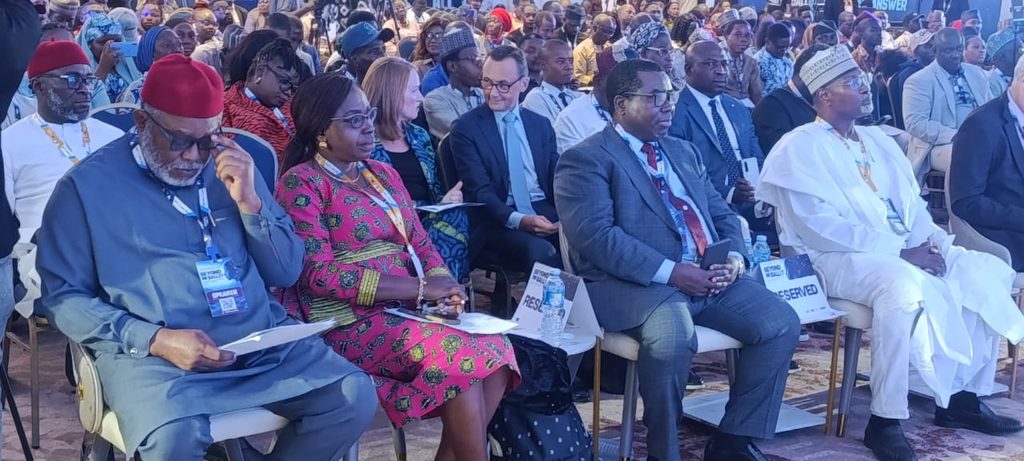
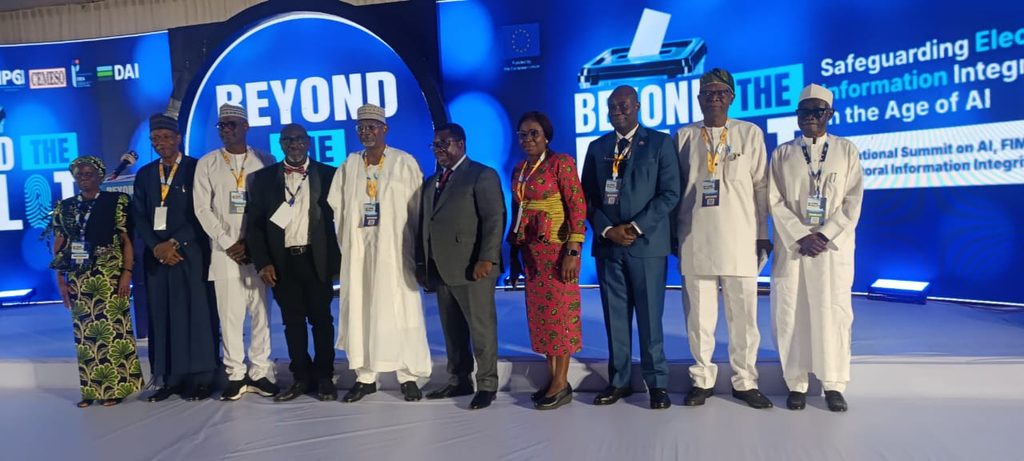
These critical discussions took center stage at the “Beyond the Ballot: Safeguarding Electoral Information Integrity in the Age of AI” National Summit on AI, Foreign Information Manipulation, and Electoral Information Integrity, which welcomed participants in Nigeria.
Key Highlights from the Summit
- INEC Leadership Warning: INEC Chairman, Prof. Joash Amupitan, stated that fake AI-generated content could influence every stage of election preparation—from voter’s registration down to the final announcement of election results.
Perspectives on Chatbots. - INEC Immediate Past Chairman, Prof. Attahiru Jega, commented on the power of AI chatbots that could contain unverified electoral contents.
- EU’s Stance: EU Ambassador Guiter Mignot highlighted how possible election results could be manipulated without the need to alter physical ballots.
The event which was a two days summit took place on Monday 2nd November, 2026 at the Abuja Continental Hotel and well attended by; The International Press Center, Center For Media Aim Society, International Idea, BAI as well as the entire European Union who supports democratic governance in Nigeria received a warmly welcome to “Beyond the Ballot”.
Key Takeaway:
“Before you share, believe and amplify, make sure you verify”.