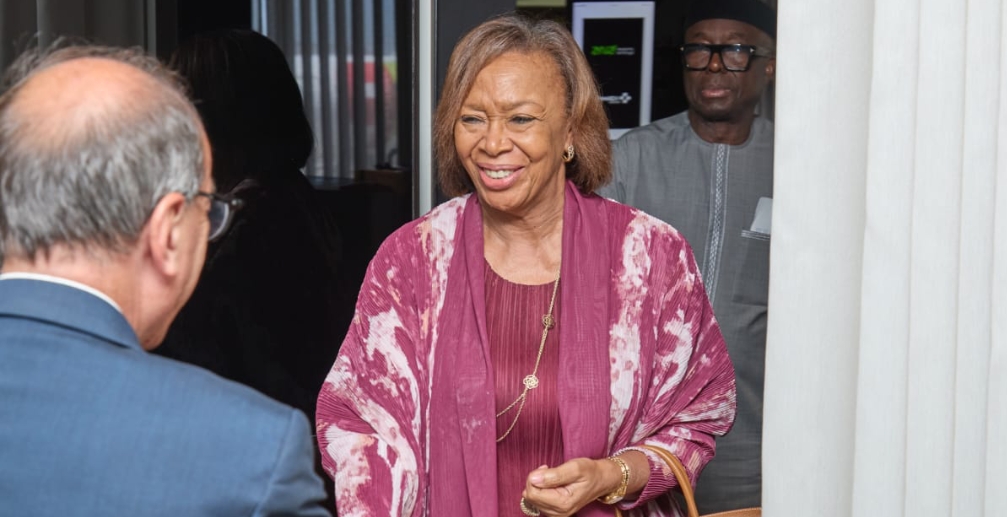
Nigeria’s Ambassador-Designate to the Republic of Portugal, Erelu Angela Adebayo, has arrived in Lisbon to officially assume duty, reaffirming her commitment to deepening diplomatic and economic ties between both countries. The envoy, who arrived alongside her spouse, Adebayo Richard Adeniyi, was received at the airport by Dr. Luis dos Santos, a representative of the Portuguese Ministry of Foreign Affairs, officers of the Embassy of Nigeria in Portugal led by Mr. Haruna Musa, and members of the Nigerian community in Portugal.
Speaking shortly after her arrival, Ambassador-designate Adebayo expressed appreciation to the Portuguese authorities, officials of the Nigerian Embassy, and the Nigerian community for the warm reception accorded her.
She pledged to work towards strengthening the longstanding bilateral relations between Nigeria and Portugal, promoting cooperation in key areas of mutual interest throughout her tour of duty. The ambassador’s arrival marks the beginning of a new diplomatic assignment expected to further enhance political, economic, trade, and people-to-people relations between the two countries.
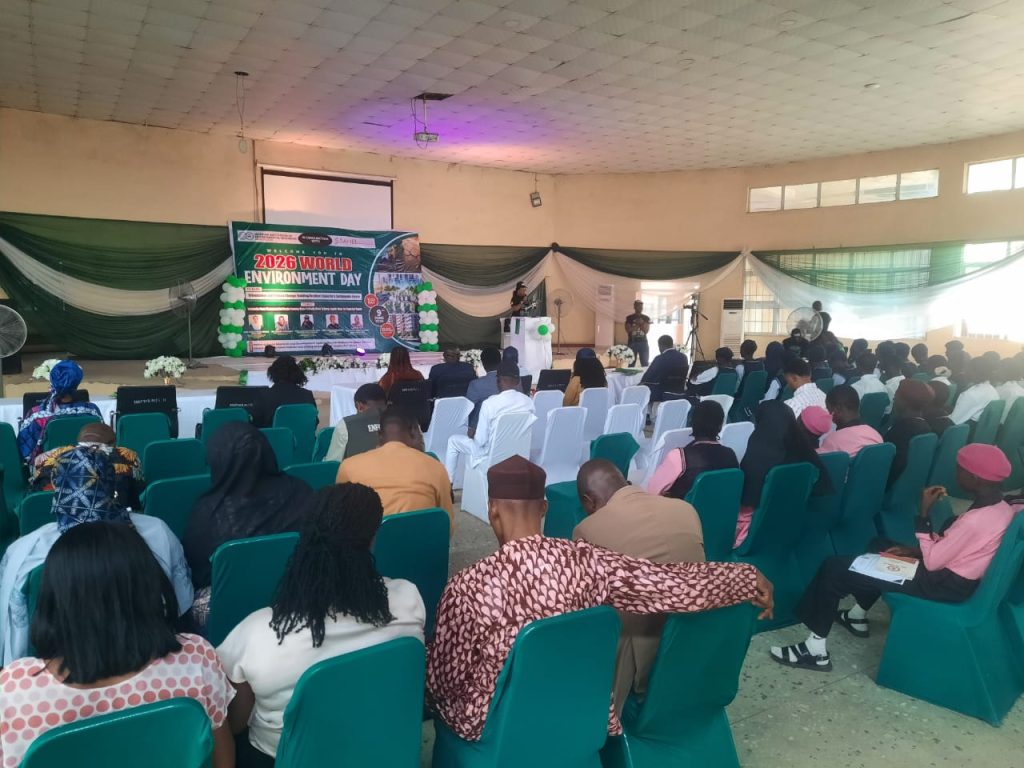
Environmental engineers have raised the alarm over the growing threat that rapid urbanisation and climate change pose to Nigerian cities, warning that unchecked development, poor waste management and weak environmental planning could undermine the nation’s future if urgent action is not taken.
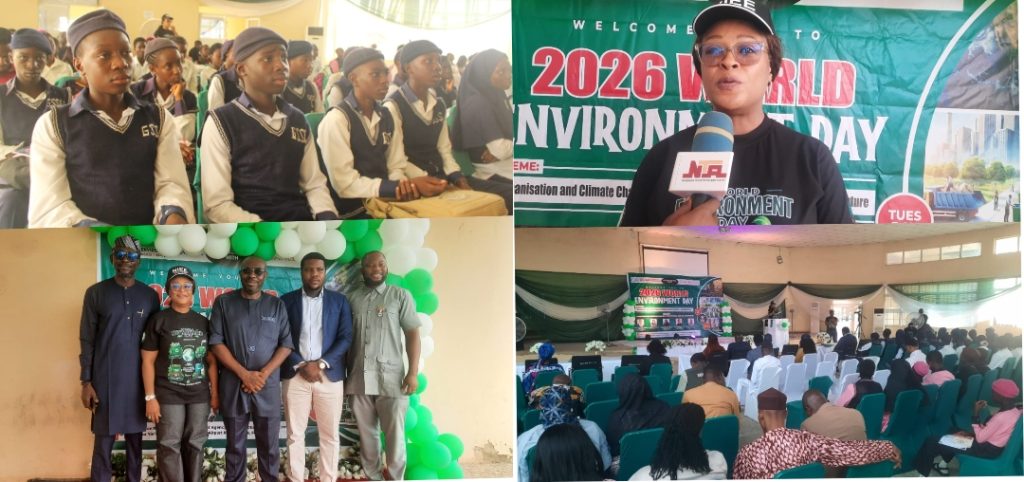
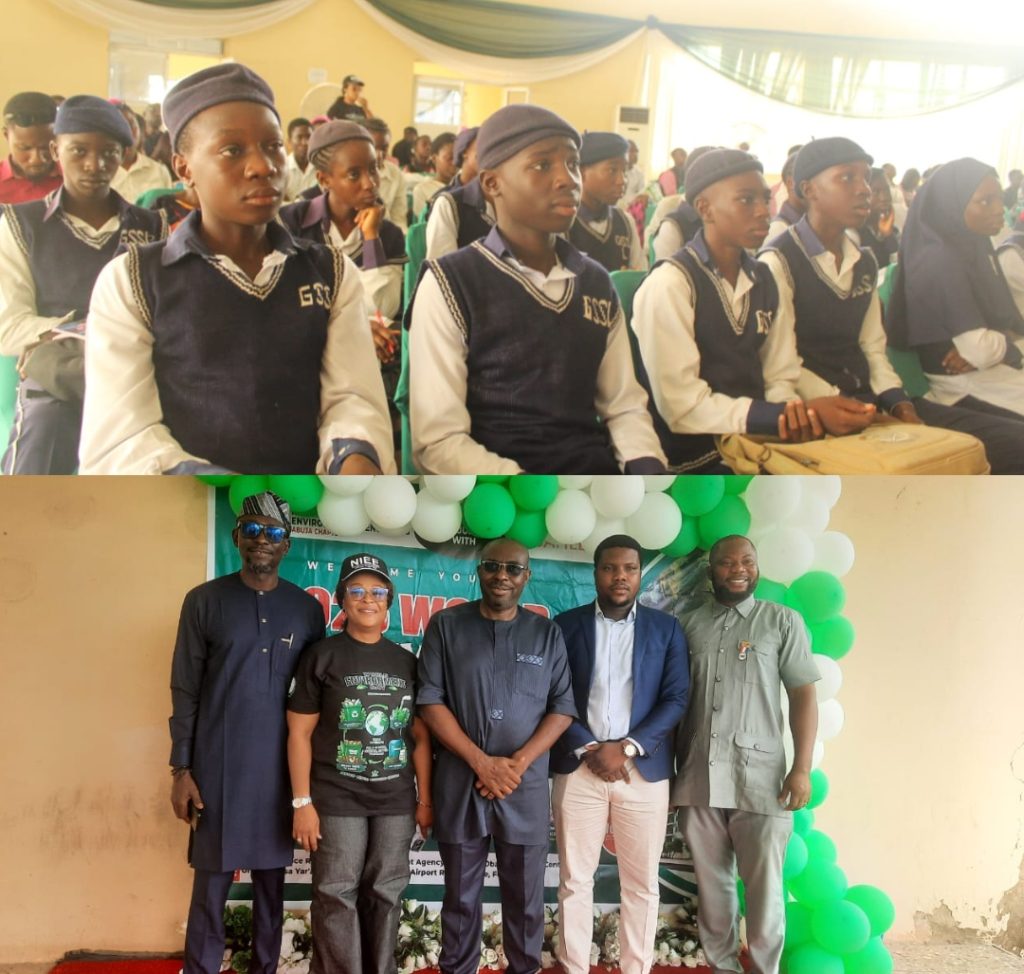
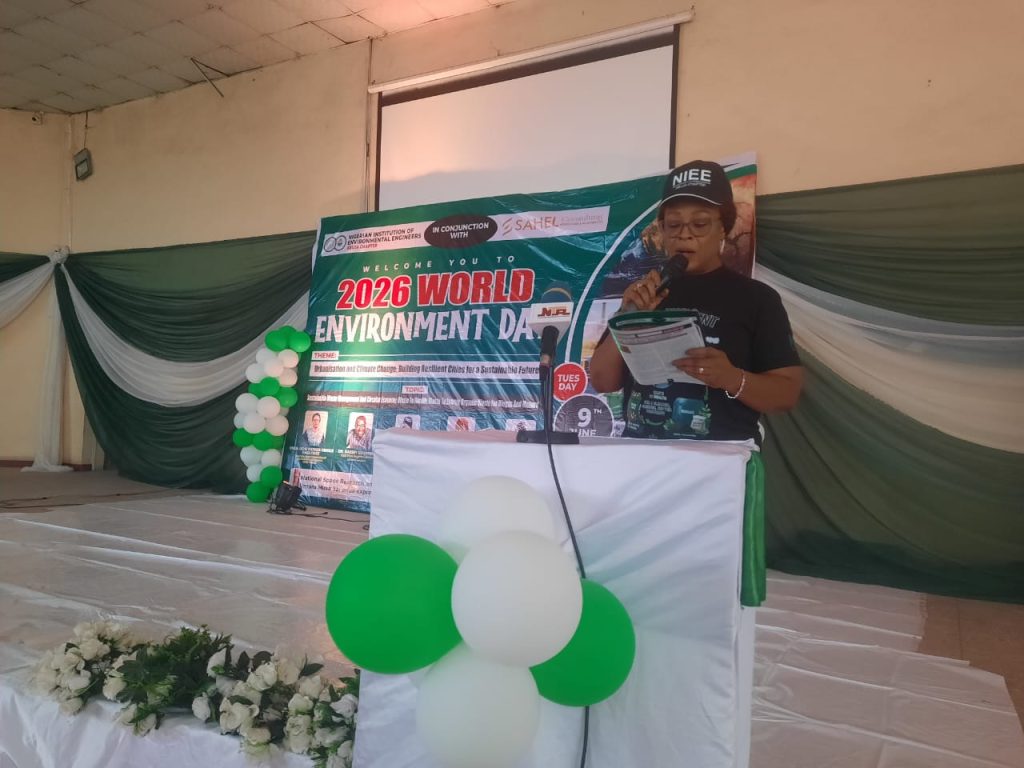
The warning came during the 2026 World Environment Day celebration organised by the Nigerian Institution of Environmental Engineers (NIEE), Abuja Chapter, in partnership with Sahel Consulting Agriculture and Nutrition Limited, where experts, policymakers, students and environmental advocates gathered to chart pathways towards building resilient and sustainable cities.
The event, themed “Urbanisation and Climate Change: Building Resilient Cities for a Sustainable Future,” focused on the need for innovative environmental solutions, sustainable waste management systems and stronger collaboration among stakeholders to safeguard the environment for future generations.
In her welcome address, Chairman of the Nigerian Institution of Environmental Engineers (NIEE), Abuja Chapter, Engr. Uche Patrick-Obikile, FNSE, FNIEE, said the gathering was more than a ceremonial observance, describing it as a call to action at a time when environmental challenges are becoming increasingly severe.
According to her, World Environment Day offers an opportunity for society to reflect, recommit and take practical steps towards protecting the planet, stressing that environmental sustainability remains critical to human survival and economic prosperity.
She noted that the health of the environment is directly linked to the quality of life enjoyed by citizens, adding that environmental stewardship should not be left to governments alone but must become a collective responsibility involving the private sector, civil society, professional institutions and individual citizens.
Patrick-Obikile commended the partnership between NIEE and Sahel Consulting Agriculture and Nutrition Limited, describing it as a demonstration of how multidisciplinary collaboration can provide solutions to complex environmental problems. She said sustainable development requires integrated thinking that brings together expertise from engineering, agriculture, nutrition and environmental management.
Speaking on the event’s theme, she observed that Abuja’s rapid urban expansion presents significant challenges for infrastructure, environmental governance and city planning. She warned that construction on floodplains, indiscriminate development and the disappearance of green spaces are no longer isolated issues but environmental emergencies requiring urgent professional intervention.
The chapter chairman also highlighted the technical focus of the programme, titled “Sustainable Waste Management and Circular Economy: Waste to Wealth, Waste to Energy, Organic Waste for Biogas and Manure,” noting that the world is increasingly transforming waste from an environmental burden into an economic asset.
She said modern environmental management now recognises waste as a source of energy, wealth creation and agricultural inputs, adding that engineers and entrepreneurs around the world are already deploying circular economy models to create jobs, reduce pollution and support sustainable growth.
Patrick-Obikile further expressed optimism about the next generation of environmental leaders, particularly the students participating in the environmental quiz competition and newly launched Schools Environment Club initiative.
Addressing the students directly, she encouraged them to remain curious, innovative and committed to environmental protection, noting that the future of environmental sustainability rests largely in their hands. “The engineers, scientists and environmental advocates seated here today were once students like you. The difference between those who transformed society and those who watched events unfold was their willingness to learn, lead and ask questions. Your participation today is evidence that the future of environmental stewardship is secure,” she said.
Delivering his opening remarks as National Chairman of the Nigerian Institution of Environmental Engineers and Chairman of the occasion, Engr. Caius Ikem Umekesiobi, described urbanisation as one of the defining realities of the modern world.
He said while cities remain centres of economic growth, innovation and social advancement, they have also become major contributors to greenhouse gas emissions, environmental degradation and unsustainable resource consumption.
According to him, the effects of climate change are already visible through increasing incidences of flooding, prolonged droughts and extreme heatwaves, all of which place enormous pressure on urban infrastructure and threaten the wellbeing of residents.
Umekesiobi stressed that engineers have a crucial role in helping societies adapt to these realities, explaining that resilient cities require more than physical structures. They require foresight, innovation, sustainability and collaboration among professionals across different sectors.
He called for the integration of green technologies, improved waste management systems, sustainable transportation networks and better water resource management into urban planning processes. “Our cities must reflect our commitment to environmentally sound practices. Urban centres can be productive, prosperous and sustainable if we make deliberate choices today,” he said.
The NIEE National Chairman further advocated stronger engagement with policymakers, community leaders and citizens to promote climate-resilient infrastructure and environmental conservation.
He reaffirmed the institution’s commitment to championing initiatives that support sustainable urban development, noting that partnerships and knowledge sharing would be critical in addressing the challenges posed by climate change. “We must leave here today determined to implement sustainable practices, advocate resilient infrastructure and educate others on the critical intersection between urbanisation and climate change.
Through collective action, we can build cities that serve as enduring models of sustainability for future generations,” he added.
Delivering the keynote address on “Urbanisation and Climate Change: Building Resilient Cities for a Sustainable Future,” Chief Executive Officer of PCM Nigeria Limited, Dr. Bassey Uzodinma, urged engineers and construction professionals to place environmental sustainability at the centre of development projects.
Uzodinma observed that rapid urban growth across Nigeria has intensified pressure on ecosystems, natural resources and public infrastructure, making it imperative for engineers to adopt designs and technologies that minimise environmental impact.
He stressed that development projects should no longer be measured solely by economic returns or structural sophistication but by their ability to coexist harmoniously with the environment and support long-term sustainability.
According to him, the future of engineering lies in designing infrastructure capable of withstanding climate-related shocks such as flooding, erosion, heat stress and other environmental hazards.
The keynote speaker encouraged professionals to embrace innovative construction methods, environmentally friendly materials and nature-based solutions that enhance resilience while preserving ecological balance.
He also highlighted the need for stronger environmental impact assessments and enforcement mechanisms, noting that many urban challenges could be avoided if environmental considerations were integrated from the earliest stages of project planning.
Speaking on behalf of Sahel Consulting Agriculture and Nutrition Limited, Noah Edozie, Senior Analyst, Strategy and Business Development, said climate resilience in agriculture has become a critical component of national development and food security.
Edozie said the event’s theme aligns closely with ongoing efforts to strengthen the capacity of farmers and agricultural systems to cope with climate-related challenges.
He explained that Nigeria’s agricultural sector supports more than 35 million smallholder farmers and provides employment for a significant proportion of the country’s workforce. However, he noted that climate variability is making farming increasingly difficult, with rainfall patterns becoming more unpredictable and extreme weather events occurring more frequently.
According to him, many farmers now struggle to make informed decisions because they lack timely and accurate climate information, often resulting in reduced harvests and economic losses that ultimately affect urban food supplies. “Floods that farmers once anticipated and prepared for now arrive with devastating intensity. Without reliable climate information, farmers are forced to make critical decisions in uncertainty, and the consequences extend beyond the farm to national food security and economic stability,” he said.
Edozie emphasised the importance of early warning systems, climate intelligence and data-driven decision-making in helping farmers adapt to changing environmental conditions.
He noted that strengthening climate resilience in rural communities would have direct benefits for urban centres by improving food availability, stabilising prices and supporting economic growth.
The Sahel Consulting representative called for greater investment in climate adaptation initiatives, agricultural innovation and cross-sector partnerships to ensure sustainable development across both urban and rural communities.
The event also featured recognition of environmental champions, sessions on sustainable waste management and a quiz competition designed to inspire young Nigerians to take greater interest in environmental protection and sustainability.
Organisers expressed hope that the discussions would translate into practical projects, stronger policies and long-term solutions capable of addressing Nigeria’s environmental challenges.
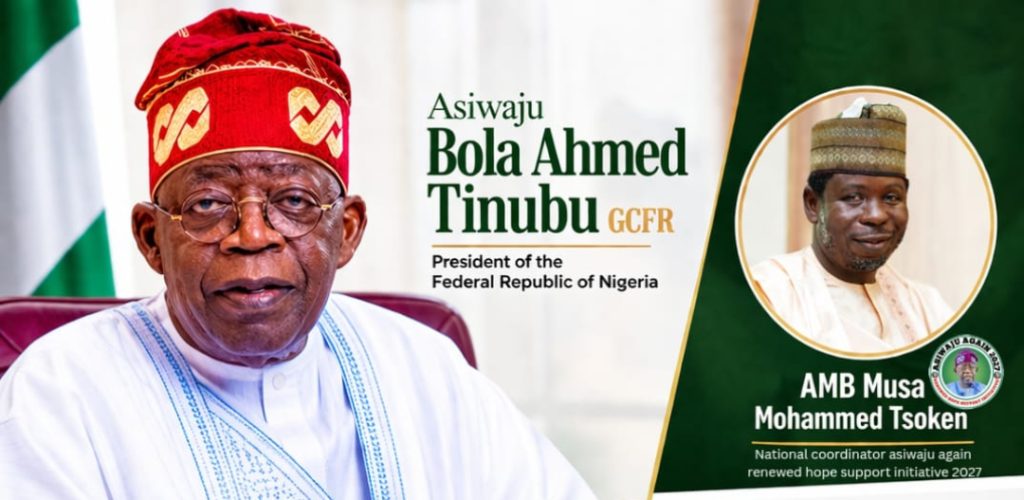
President Bola Ahmed Tinubu is committed to building a stronger, more inclusive, more prosperous Nigeria, the Ministeqr of Information and National Orientation, Mohammed Idris, has stated.
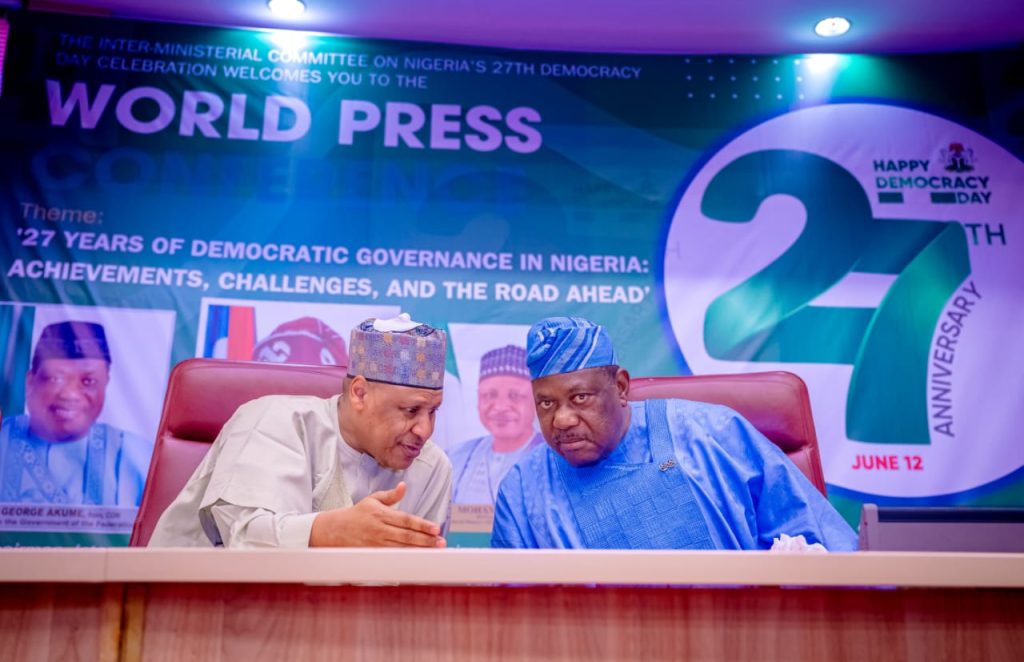
While speaking on Tuesday in Abuja at a press conference held as part of activities commemorating the 2026 Democracy Day, the minister re-emphasised the committment of the present administration to advance the ideals of democracy.
According to the minister, “This year’s Democracy Day celebration is particularly significant as it coincides with the third anniversary of the Renewed Hope Administration. It offers an opportunity to take stock of our progress as a nation, review the impact of ongoing reforms, and reaffirm our collective commitment to building a stronger and more inclusive Nigeria.”
Idris posited that Democracy Day remains a significant occasion for reflecting on Nigeria’s democratic journey, celebrating the resilience of democratic institutions, and honouring the sacrifices of patriots who fought to entrench democratic governance in the country. “Democracy Day occupies a unique place in our national calendar. It provides an opportunity for us to reflect on our democratic journey, celebrate the resilience of our institutions, and honour the sacrifices of patriots who stood firm in the struggle for democratic governance,” he said.
He also paid tribute to the late Bashorun Moshood Kashimawo Olawale (M.K.O.) Abiola and other heroes of democracy whose sacrifices helped secure the democratic freedoms Nigerians enjoy today.
Idris also acknowledged the contributions of President Bola Ahmed Tinubu and numerous pro-democracy activists who played pivotal roles in the struggle to restore and consolidate democratic governance in Nigeria.
He described Nigeria’s twenty-seven years of uninterrupted democratic rule as a remarkable national achievement and a testament to the resilience, determination and democratic aspirations of the Nigerian people. “Twenty-seven years of uninterrupted democratic governance is a milestone worthy of celebration. It is a testament to the determination of Nigerians to uphold democratic values, strengthen national institutions, and continuously strive for a more prosperous and united nation,” he stated.
The Minister noted that this year’s Democracy Day celebration is particularly significant as it coincides with the third anniversary of the Renewed Hope Administration, providing an opportunity for Nigerians to assess the nation’s progress, review the impact of ongoing reforms, and renew their collective commitment to national development. According to the Minister, the administration remains focused on strengthening democratic institutions, promoting national unity, expanding economic opportunities, and delivering sustainable development for all Nigerians through the implementation of the Renewed Hope Agenda.
He stated that the Press Conference was organised to provide Nigerians and the international community with an overview of the administration’s journey over the past three years, highlighting key milestones, challenges encountered, and the vision guiding government policies and programmes.
Secretary to the Government of the Federation (SGF), Senator George Akume, and Chairman of the Inter-ministerial Committee for Democracy Day 2026, who represented President Bola Ahmed Tinubu at the event, described Nigeria’s 27 years of uninterrupted democratic governance as a major national achievement and a testament to the resilience of the Nigerian people and democratic institutions.
Senator Akume stated that President Tinubu’s administration has remained focused on delivering tangible benefits to Nigerians through the Renewed Hope Agenda, noting that reforms in key sectors of the economy are already yielding measurable results. “The policy decisions of this administration, including the removal of fuel subsidy and foreign exchange reforms, were difficult but necessary. They have created fiscal space for critical investments in infrastructure, social interventions, education, healthcare, and economic development. As revenues improve and the economy stabilises, Nigerians will increasingly experience the benefits of these reforms,” the SGF said.
Among those in attendance were the Ministers of Livestock Development, Idi Mukhtar Maiha; the Minister of Water Resources and Sanitation, Prof. Joseph Terlumun Utsev; the Minister of Regional Development, Engr. Abubakar Momoh; Special Adviser on Information and Strategy, Mr Bayo Onanuga; Special Adviser to the President on Media and Policy Communications, Daniel Bwala; Permanent Secretaries, as well as Heads of agencies, among other dignitaries.
Cover Photo Caption: The Honourable Minister of Information and National Orientation, Mohammed Idris, fnipr, and the Secretary to the Government of the Federation and Chairman of the Inter-Ministerial Committee on Nigeria’s 27th Democracy Day Celebration, Senator George Akume, CON, addressed a World Press Conference ahead of the 2026 Democracy Day celebrations. The briefing highlighted activities lined up for the commemoration and underscored the Federal Government’s commitment to strengthening democratic governance, national unity, and citizen engagement. Photo: Khalid Ahmed/FMINO.
As Nigeria inches closer to the 2027 general elections, media professionals have been challenged to take centre stage in protecting electoral integrity by combating misinformation, promoting voter education and closely monitoring emerging flashpoints in the implementation of the amended Electoral Act 2026.
The charge was given during a webinar on “Journalism and the Electoral Act (2026)” jointly organised by the Daily Trust Foundation and the International Press Centre (IPC), which brought together media practitioners and electoral experts to examine the implications of the new electoral law and the responsibilities of journalists in ensuring credible elections.
Speaking at the event, the Executive Director of IPC, Mr. Lanre Arogundade, underscored the pivotal role of journalists in promoting transparency throughout the electoral process, stressing that the media remains a critical link between electoral institutions and the public.
A key presentation titled “The Media & Public Interest Issues: Watchpoints and Flashpoints for Journalists Covering Implementation of the Amended Electoral Act 2026” was delivered by Nkiru Uzodi, Programme Manager, Legislative/Gender Issues at the Policy and Legal Advocacy Centre (PLAC).
Uzodi warned that the amended Electoral Act introduces new legal obligations, procedures and timelines that could generate confusion, manipulation and litigation if not properly understood and reported.
She noted that journalists must go beyond reporting events to explaining what has changed under the law, identifying potential risks, highlighting those who may be affected and asking accountability questions capable of strengthening public trust in the electoral process.
According to her, the amended law has shifted pressure to earlier stages of the electoral process, creating several flashpoints that demand closer media scrutiny.
Among these are disputes over election timetables, party membership registers, nomination procedures, qualification challenges, election result reviews, result transmission processes, campaign conduct and election litigation.
Uzodi identified election timetables as a major area of concern, noting 0that conflicting court decisions involving the powers of the Independent National Electoral Commission (INEC) to issue and revise election schedules have transformed what was once a routine administrative process into a major public-interest issue.
She cautioned journalists against inaccurate reporting of court rulings, appeals and legal proceedings, warning that misinformation could mislead political parties, aspirants and voters alike.
The presentation also highlighted significant changes to political party membership registers under Section 77 of the Electoral Act. Under the new framework, only registered party members captured in officially submitted registers can vote or be voted for in party primaries. The requirement, she noted, has transformed membership records into critical compliance documents and a potential source of pre-election disputes, particularly where parties fail to meet statutory requirements.
Another major issue identified was INEC’s expanded authority to review election results declared under duress or in violation of collation procedures.
Uzodi advised journalists to scrutinise result sheets, collation records, declarations by returning officers and uploads on the INEC Result Viewing Portal (IReV) before reporting election outcomes.
She further urged media practitioners to pay attention to campaign conduct, equitable media access, voter inclusion and the growing threat posed by misinformation and disinformation.
According to her, journalists must carefully verify claims relating to election results, court orders, candidate disqualifications and other sensitive electoral matters before publication. “Legal ambiguity makes fake certainty especially risky,” she warned, urging journalists to examine sources, supporting documents, timelines, legal provisions and the broader implications of every claim.
Also speaking during the webinar, Dr. Sam Oguche of Yiaga Africa-CLE, who presented a paper titled “The Electoral Act 2026: Matters Arising and the Role of the Media in Providing Accurate Information,” said the reforms introduced by the amended law have the potential to strengthen transparency, accountability and public confidence in Nigeria’s electoral process.
He, however, stressed that the effectiveness of the reforms would depend on proper implementation, stakeholder compliance and public understanding of the law.
Oguche described the media as a critical partner in electoral governance through accurate reporting, voter education, fact-checking and the promotion of informed public discourse. “The credibility of the 2027 General Election will not be determined on election day alone. It is being shaped today in our newsrooms, political parties, institutions, courtrooms and digital platforms,” he said.
To improve election coverage, he recommended the establishment of dedicated election desks within media organisations, continuous training for journalists on electoral laws and election reporting, and the strengthening of newsroom fact-checking units.
He also called for stronger collaboration between INEC and media organisations, urging journalists to familiarise themselves with the provisions of the Electoral Act 2026 and prioritise accuracy over speed.
Recognising the growing influence of technology, Oguche urged media organisations to develop protocols for reporting Artificial Intelligence-generated content and deepfakes, which could pose serious challenges during future elections.
The webinar also featured safety and ethical guidelines for journalists covering elections, presented by the International Press Centre.
The advisory urged journalists to conduct risk assessments before assignments, remain alert to security threats, safeguard information gathered in the field and avoid actions that could compromise perceptions of neutrality.
IPC further reminded journalists of their ethical obligations to report elections fairly, accurately and in a balanced manner while resisting inducements, verifying allegations and refraining from declaring election winners before official announcements by designated electoral authorities.
The centre also warned against the dissemination of fake news, misinformation and disinformation, describing responsible journalism as essential to peaceful and credible elections.
Participants agreed that while the Electoral Act 2026 provides a stronger legal framework for Nigeria’s electoral process, credible elections will ultimately depend on the collective actions of electoral institutions, political actors, the judiciary, civil society and the media.
The webinar concluded with a call on journalists to approach the amended Electoral Act not merely as a collection of legal provisions but as a living accountability framework capable of shaping the credibility of the 2027 elections and strengthening Nigeria’s democratic future.
Civil society organisation Connected Development (CODE) has warned that Nigeria’s apparent escape from the growing global Hantavirus outbreak may be due more to luck than the strength of the country’s public health preparedness system. In a statement signed by Acting Chief Executive Hyeladzira Mshelia, the organisation cautioned against interpreting the absence of confirmed Hantavirus cases in Nigeria as proof of effective epidemic response capacity, stressing that major structural weaknesses remain within the country’s disease surveillance and emergency response architecture. The warning followed confirmation by the World Health Organization of eight Hantavirus infections, including three deaths, linked to passengers aboard the Dutch-flagged cruise ship MV Hondius. According to CODE, the Andes strain involved has demonstrated limited human-to-human transmission, prompting heightened surveillance and contact-tracing measures across Europe, North America and parts of Asia. Although the Nigeria Centre for Disease Control and Prevention (NCDC) has maintained that no Hantavirus case has been recorded in Nigeria, CODE argued that the country remains highly vulnerable because longstanding gaps identified during the COVID-19 pandemic have yet to be fully addressed. The organisation pointed to persistent shortcomings in Port Health Services, including inadequate screening personnel, weak quarantine infrastructure and poor coordination at international entry points. It noted that many of these deficiencies were exposed during the COVID-19 crisis but remain unresolved years later. CODE further highlighted disparities in testing capacity during the pandemic, recalling that Nigeria conducted about 1.78 million COVID-19 tests by mid-2021 compared to South Africa’s 3.2 million despite Nigeria having a significantly larger population. Through its COVID-19 Transparency and Accountability Project (CTAP), the organisation said it monitored over ₦99 billion and millions of dollars donated for pandemic management, but raised concerns over weak accountability mechanisms and limited transparency surrounding the utilisation of the funds. The group also referenced findings from a 2020 National Bureau of Statistics survey indicating that only 12.5 per cent of Nigerians in the poorest income category benefited from pandemic-related support, while several civil society organisations criticised the management of COVID-19 intervention funds as opaque. CODE expressed fresh concern over the implementation of the revised Basic Health Care Provision Fund (BHCPF) 2.0 framework, particularly the disbursement of ₦32.9 billion earmarked for epidemic preparedness through the NCDC gateway. While acknowledging governance reforms introduced in October 2025, the organisation said public access to information on how the funds are utilised remains inadequate. According to CODE, findings from its Project Track BHCPF initiative, also known as #HealthShield, revealed that bureaucracy, weak stakeholder understanding and poor inter-agency coordination continue to delay access to emergency preparedness funds at the state level. The organisation warned that such delays could prove catastrophic during a rapidly spreading outbreak where swift response measures are essential. CODE therefore called on the Federal Ministry of Health and Social Welfare, the NCDC, the Nigerian Ports Authority, the Ministry of Aviation and other relevant agencies to urgently conduct transparent audits of surveillance systems and quarantine facilities at all international entry points. It also demanded that all epidemic preparedness allocations under the BHCPF framework be publicly traceable and linked to measurable frontline outcomes. The organisation further advocated stronger institutional collaboration involving the NCDC, immigration authorities, port health officials and the National Primary Health Care Development Agency, insisting that emergency coordination structures should become permanent rather than reactive arrangements. CODE additionally urged authorities to equip frontline personnel at airports and seaports adequately while launching nationwide public awareness campaigns on Hantavirus to prevent misinformation and public panic. “Nigeria has a window,” the statement said. “The time to use it is now.”
The President of the Traders Association of Nigeria TAN Abia State chapter, Chief Chidi Nkem Aruoma, has called for stronger institutional support for small businesses across Nigeria, describing local enterprises as critical drivers of employment, innovation and community development.
Speaking in a WhatsApp interaction with journalists ahead of National Small Business Day, Aruoma said the global message behind the annual observance remains highly relevant to Nigeria despite the day not being officially recognised in the country. He urged governments at all levels, organised private sector groups, labour unions, chambers of commerce, industry, mines and agriculture, as well as financial institutions, to deepen support mechanisms for entrepreneurs and small scale enterprises.
The TAN Abia chairman noted that small businesses continue to sustain millions of families through trade, manufacturing, services and agriculture, while also contributing significantly to economic resilience in difficult times. According to him, many local enterprises survive under challenging operating conditions including limited access to finance, rising production costs, multiple taxation and infrastructure deficits.
Aruoma commended the efforts of the administration of Alex Otti in creating a more business friendly environment in Abia State through infrastructure renewal, improved market access and economic reforms aimed at boosting commercial activities. He also acknowledged ongoing economic and enterprise support initiatives of the administration of Bola Ahmed Tinubu, while encouraging further policy measures that would make it easier for small businesses to thrive nationwide.
He stressed that the philosophy behind National Small Business Day offers lessons that can be replicated in Nigeria, particularly in promoting local production, entrepreneurship and community based economic development. He recommended improved access to affordable credit facilities, tax incentives for start ups, digital literacy programmes for traders, simplified regulatory procedures and stronger partnerships between government agencies and the private sector.
The business leader explained that small enterprises remain central to economic growth globally because they generate employment opportunities, stimulate innovation and strengthen local supply chains. He said supporting indigenous businesses would not only reduce unemployment but also expand economic participation among youths and women.
National Small Business Day is celebrated annually in several countries to recognise the impact of small enterprises on local and national economies. The observance highlights the resilience of entrepreneurs who provide goods, services and employment opportunities while sustaining communities through innovation and enterprise.
Historical records show that global recognition for small business development expanded significantly after the establishment of the United States Small Business Administration in 1953. Since then, international institutions and economic blocs have increasingly acknowledged small and medium sized enterprises as essential contributors to inclusive growth, poverty reduction and sustainable development.
Economic experts have consistently identified access to financing as one of the greatest obstacles facing small businesses worldwide. Studies from international development agencies and financial institutions indicate that many small firms struggle with limited capital, high compliance costs and market competition, factors that often affect long term survival rates.
Despite these challenges, small businesses continue to play a major role in job creation across many economies. Analysts say independent enterprises contribute significantly to local wealth circulation because spending within neighbourhood businesses often supports local employment, services and community investments.
Aruoma encouraged consumers to support locally owned businesses beyond occasional patronage by promoting them through social media, recommending their services and purchasing locally produced goods whenever possible. He also urged aspiring entrepreneurs to embrace innovation, adaptability and continuous learning in building sustainable enterprises.
He maintained that strengthening Nigeria’s small business ecosystem would improve economic diversification and help communities become more self reliant in an increasingly competitive global economy.
Considering the current political landscape in Nigeria, I am confident that President Bola Ahmed Tinubu will secure a massive victory in the 2027 general elections potentially reaching as high as 99% of the total votes.
His style of governance has clearly demonstrated strong leadership and strategic direction. The fulfillment of his promises under the eight-point agenda has reassured Nigerians that the country is on the right path, with visible progress across key sectors.
Weakness of the Opposition Parties
On the other hand, opposition parties are currently facing significant challenges. They lack unity, structure, and the kind of strong leadership needed to effectively challenge the ruling government. Many of their aspirants do not possess the capacity or credibility to match President Tinubu leadership style.
Today, Nigerians are increasingly focused on performance rather than political rhetoric. Given the administration’s ongoing efforts to reform the economy and improve security, the path is clear for an unprecedented landslide victory one that could be historic in Nigeria’s democratic journey.
Nigeria’s ambition to deepen local automobile manufacturing and transition toward cleaner mobility has gained momentum following a new partnership between China-based Launch Design Shanghai and Hybrid Motors Nigeria for the establishment of electric vehicle production plants in Lagos and Abuja.
The agreement, signed in Shanghai on May 8, 2026, is aimed at boosting electric vehicle manufacturing in Nigeria through local assembly operations, engineering collaboration, technology transfer, and manpower development.At the centre of the partnership is “Acely,” Hybrid Motors Nigeria’s indigenous electric vehicle brand developed to meet the needs of Nigerian consumers and road conditions.
Under the deal, the companies will establish manufacturing and assembly facilities in Lagos and Abuja as part of efforts to build a stronger and more sustainable automotive industry in Nigeria.
Speaking at the signing ceremony, the Chief Executive Officer of Hybrid Motors Nigeria, Mr. Jubril Arogundade, said the collaboration represents a significant step toward positioning Nigeria as a major automotive production hub in Africa.According to him, the Acely brand combines local market understanding with global automotive innovation.“This collaboration is about more than assembling vehicles. It reflects our vision for industrial growth, technology advancement, and sustainable transportation in Nigeria,” Arogundade stated.“We are demonstrating that vehicles designed and assembled in Nigeria can compete globally while meeting the specific demands of local consumers.
Through our partnership with Launch Design, we are integrating world-class engineering standards into our manufacturing operations.”Chief Executive Officer of Launch Design Shanghai, Mr. Wang Xun, described the partnership as a strategic investment in Africa’s emerging automotive industry.He said the company’s engineering expertise, combined with Hybrid Motors’ understanding of the Nigerian market, would drive long-term success.“We see enormous potential in Nigeria’s automotive sector.
Together with Hybrid Motors, we are creating a platform not only for vehicle production but also for industrial development and innovation,” Wang said.Under the agreement, Launch Design Shanghai will provide technical support in areas including vehicle engineering, manufacturing process development, quality assurance, and production optimisation.
The companies disclosed that the planned facilities are expected to achieve a combined annual production capacity of 70,000 vehicles when fully operational.The Lagos manufacturing plant, located along the Lekki-Epe corridor, is projected to produce up to 50,000 units annually and will serve as the primary assembly and export hub. Its location near the Lekki Deep Sea Port is expected to facilitate exports to regional markets across West Africa.
The Abuja plant, to be located within the Free Zone Business Area of Centenary Economic City, will have an estimated annual production capacity of 20,000 units and function as a technology and manufacturing support centre serving Northern Nigeria and neighbouring Sahel countries.
The firms said the two-facility structure is designed to improve distribution efficiency, lower logistics costs, and expand employment opportunities in the country.
They also noted that Acely vehicles would incorporate designs suited to Nigeria’s environment and road network while integrating electric and hybrid propulsion systems aimed at promoting energy efficiency and cleaner transportation.According to the companies, the initiative is expected to contribute to industrial diversification, strengthen local automotive supply chains, reduce dependence on imported vehicles, and support Nigeria’s National Automotive Industry Development Plan.Arogundade described the signing in Shanghai as a defining moment for the country’s automotive future.“With strategically located facilities in Lagos and Abuja, we are creating a mobility ecosystem that is locally driven, technologically advanced, and globally competitive,” he said.
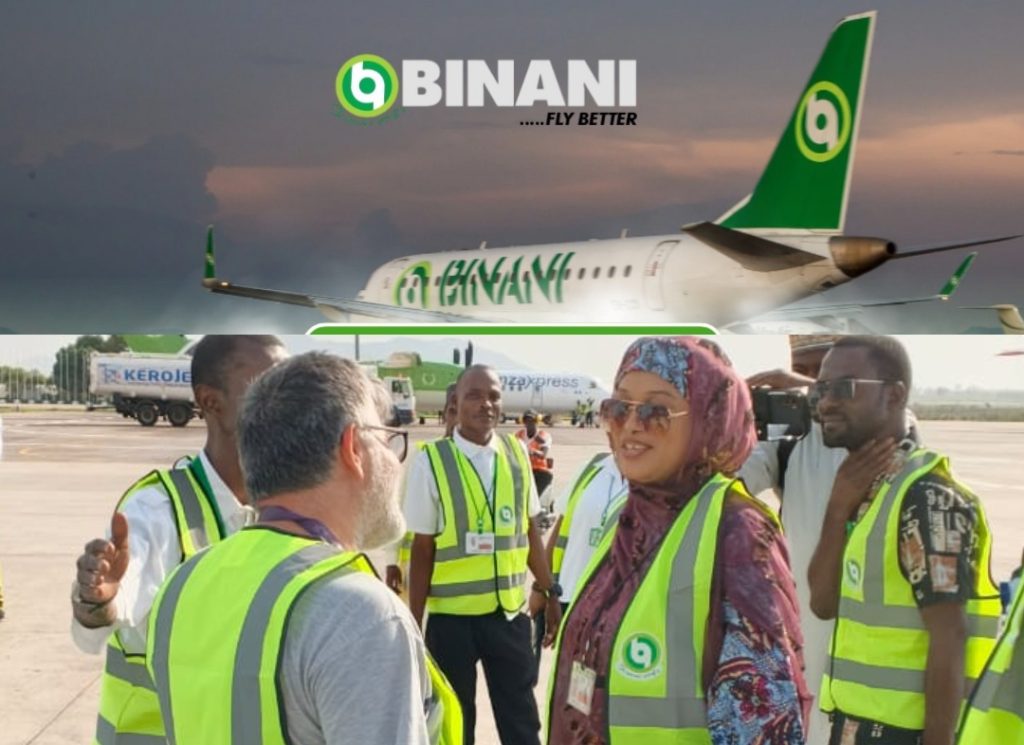
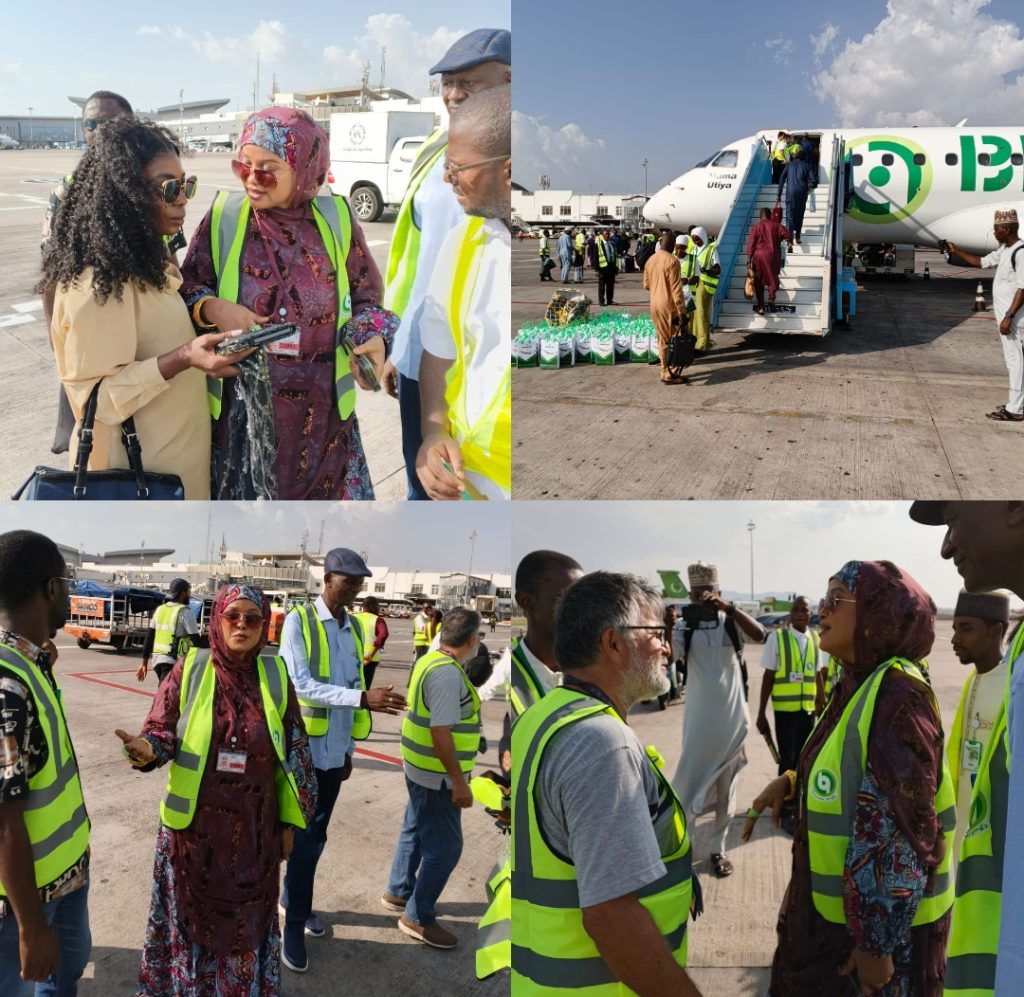
Binani Air has officially entered Nigeria’s domestic aviation market with the launch of its Abuja-Kano-Yola flight services, as passengers and airline executives expressed confidence in the carrier’s ability to deliver reliable and affordable air transportation.
The airline operated its inaugural commercial flight from Abuja to Kano with a continuation to Yola, marking what officials described as the beginning of a new phase for the company and a boost to domestic connectivity.
Speaking during the maiden operation in Abuja, the airline’s Station Manager, Abubakar Aminu, said Binani Air was established with a strong focus on punctuality, safety, consistency and customer satisfaction.
According to him, the airline recorded encouraging patronage on its opening day, with passengers arriving early for check-in ahead of departure. “Our goal is to provide dependable services because aviation is built around time management and consistency,” Aminu said. “We are committed to operating on schedule while maintaining high standards in safety and customer service.”
He also addressed concerns surrounding pilot availability in the aviation sector, noting that the airline had adequate manpower to sustain operations. “We have both local and expatriate pilots working with us, so there is no shortage issue. We are fully prepared for operations,” he stated. The airline’s Head of Crew, Isa Maina Yamka, described the successful launch as a landmark achievement after years of preparation and planning. “This is a proud and emotional moment for us because we have worked tirelessly to make this project a reality,” Yamka said.
He explained that the airline placed priority on operational safety and personnel training, stressing that all staff and crew members had undergone professional aviation training in compliance with industry standards. “Safety remains our highest priority. Our crew members are properly trained and equipped to ensure safe flight operations at all times,” he added. Yamka revealed that economy class fares currently start from ₦90,000, while premium tickets are priced at approximately ₦200,000 depending on travel preferences.
Passengers on the inaugural flight commended the airline for its smooth operations, affordable fares and efficient customer service. One of the passengers, Associate Professor Aisha Aminu of Dangote Business School, Bayero University Kano, praised the airline’s professionalism and timely departure. “The check-in process was smooth, boarding was organised and the flight departed on time. Those are important qualities for any airline that wants to succeed,” she said.
She noted that the airline’s pricing appeared competitive and could attract more travellers if the service quality is maintained consistently.
Another traveller, Jibrin Yusuf Umar, described the experience as satisfactory and well-coordinated. “Everything went smoothly without delays. The fare is reasonable and the service was good,” he said. Ephraim Aboubakar, who also travelled on the inaugural flight, said the journey was comfortable and enjoyable. “It was my first experience with Binani Air and I was impressed by the service,” he stated.
Also speaking, the airline’s Head of Communications, Ms. Arit Effanga, said the launch represented the realisation of a long-term dream to contribute to Nigeria’s aviation industry. “This is the fulfilment of a vision that has taken years to achieve. We are excited to contribute to the growth of domestic aviation and assure passengers that Binani Air is committed to long-term operations,” she said.
Stakeholders in Nigeria’s media, security, judicial, and civil society sectors have renewed calls for urgent action to curb rising attacks on journalists, as concerns mount ahead of the 2027 general elections.
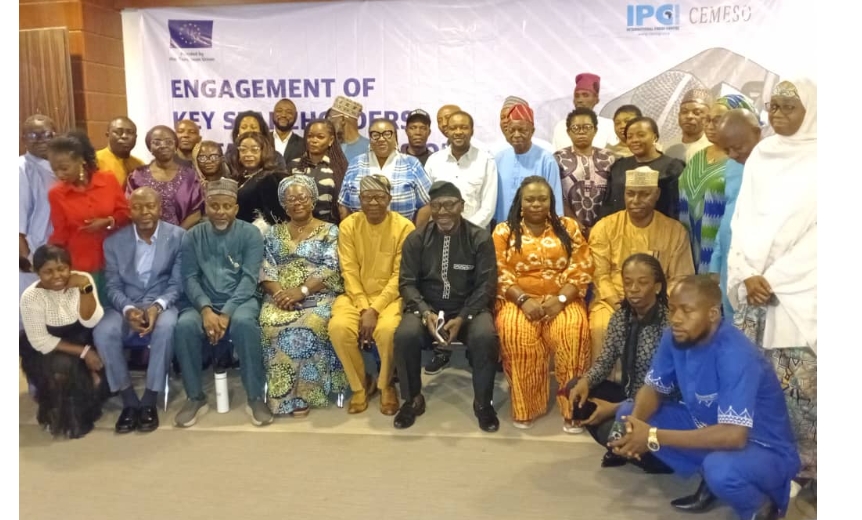
This was the focus of a high-level engagement convened in Abuja by the International Press Centre (IPC) and Centre for Media and Society (CEMESO) under the Support-to-Media Component of the European Union Support to Democratic Governance (EU-SDGN) Phase II.
Held at BON Hotel Octagon, the meeting brought together key institutional actors to examine the growing pattern of intimidation, harassment, and violence against media professionals in Nigeria’s electoral environment.
Speaking at the forum, IPC Executive Director, Lanre Arogundade, expressed concern over what he described as a persistent threat to press freedom, warning that attacks on journalists weaken democratic accountability and public trust. He revealed that at least 20 cases of journalist attacks were recorded during the 2023 general elections, including arrests, assaults, and other forms of harassment.
Arogundade emphasised the need to treat media safety as a national democratic priority rather than a sectoral concern. He further disclosed plans by IPC to engage the Office of the Inspector General of Police toward developing a formal framework to enhance journalist protection during elections.
Also speaking, CEMESO Executive Director, Akin Akingbulu, described the engagement as a deliberate, evidence-driven effort to move beyond dialogue into actionable commitments. He warned that recurring patterns of intimidation and impunity against journalists pose a serious risk to Nigeria’s democratic integrity, especially ahead of the Ekiti, Osun, and 2027 elections.
Akingbulu noted growing anxiety among journalists, particularly in Ekiti State, where preparations for upcoming elections are already raising safety concerns among media practitioners.
Participants at the meeting—including representatives of security agencies, judicial institutions, civil society organisations, development partners, and media practitioners from both public and private outlets—reviewed documented cases of attacks and explored strategies for improved prevention, rapid response, and accountability.
The forum also highlighted the need for stronger policy and regulatory safeguards to protect press freedom and digital rights, while reinforcing collaboration among state institutions and media stakeholders.
Organisers commended development partners for their continued support toward strengthening democratic governance and ensuring a safer operating environment for journalists in Nigeria.